THE ADVENTURE COLLECTIVE® · Independent discovery and booking for outdoor travel

Walk the caldera edge from Fira to Oia—6 miles of volcanic cliffs, whitewashed villages, and panoramic Aegean views. This practical guide covers what you’ll see, the route’s geology and culture, and how to prepare for a 4–5 hour hike.
Walk the caldera edge from Fira to Oia—6 miles of volcanic cliffs, whitewashed villages, and panoramic Aegean views. This practical guide covers what you’ll see, the route’s geology and culture, and how to prepare for a 4–5 hour hike.
You step onto sun-warmed flagstone and the island exhales around you: the Aegean spreads blue on one side, the ragged rim of the caldera drops away on the other. The path threads white villages perched like shipwrecked houses, and each turn opens a new angle on houses, domes, and the volcanic sea below.
Verified experiences and guided adventures in the surrounding area.
Operated by Golden Ibex - Santorini private tours - Wine tours - cooking class · Fira, Cyclades
You step onto sun-warmed flagstone and the island exhales around you: the Aegean spreads blue on one side, the ragged rim of the caldera drops away on the other. The path threads white villages perched like shipwrecked houses, and each turn opens a new angle on houses, domes, and the volcanic sea below.
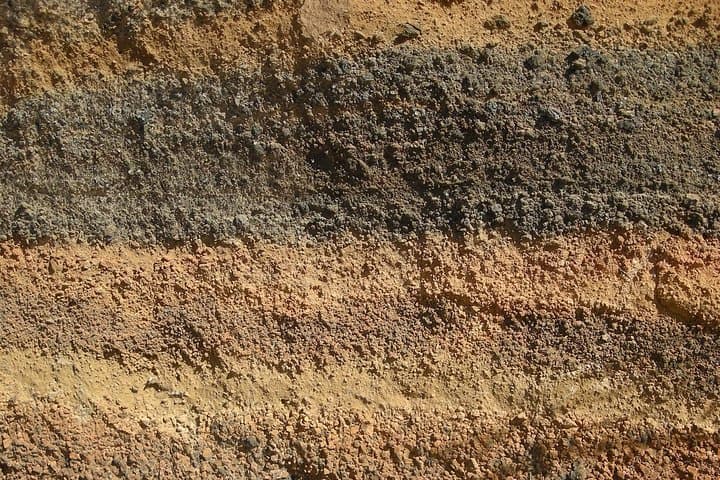
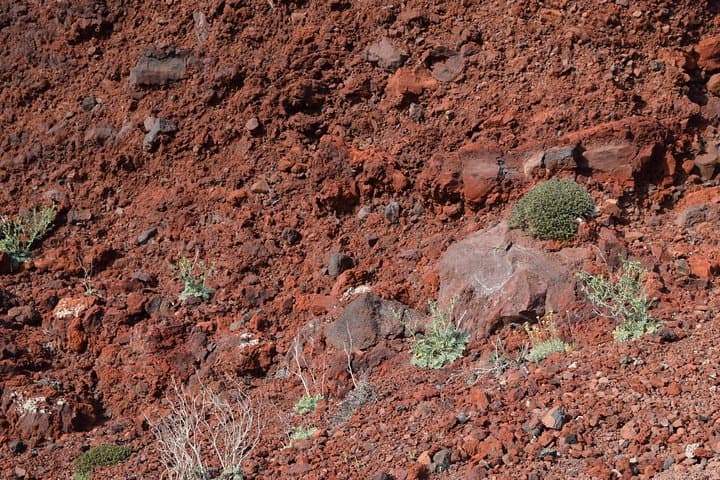
Santorini’s cliffs are the visible edge of one of the eastern Mediterranean’s most dramatic geological stories—the Late Bronze Age Minoan (Thera) eruption that carved the caldera and left layers of pumice, ash, and black lava. Cultural traces are as obvious as the rock: Fira’s market streets, Firostefani’s cypress-circled church, Imerovigli’s lookout used to spot Ottoman and pirate ships, and Oia’s seafaring 19th-century mansions.
Expect roughly 10 km (about 6 miles) of walking along uneven caldera trails and narrow village lanes; 4–5 hours depending on pace and photo stops. Terrain alternates packed volcanic scree, flagstone steps, and sun-exposed cliff edges—good footwear and steady footing are non-negotiable. Start early for cooler light and fewer crowds, carry 1–2 liters of water, and use sun protection; the island offers sparse shade and strong southern sun.
Logistics are straightforward: most tours start in Fira, finish in Oia, with bus or taxi options back. The trail is largely waymarked but pay attention at village junctions. Take your time at Skaros rock and the small white church at Stavros for the best vistas, and remember: the landscape is fragile—stick to the path and leave no trace.
moderate.
4–5 hours.
Moderate fitness—comfortable walking on uneven terrain for several hours and ability to manage short steep pitches.
The route is about 10 km (roughly 6 miles) and typically takes 4–5 hours including stops for photos and short rests.
Walkable for most with moderate fitness, but beginners should expect uneven terrain, exposed sections, and several stair-like ascents.
Sunset in Oia is famous and attracts crowds; the trail is doable but expect congestion and limited daylight for safe walking—plan extra time or arrive earlier.
Not required—signage exists and towns are connected—but a guide adds local history, geology context, and helps navigate lesser-known viewpoints.
Santorini’s present caldera was shaped by the massive Minoan (Thera) eruption; local villages developed maritime economies in the 19th century, which shaped Oia’s captains’ houses.
The caldera rim is erosion-prone and visitor impact is high—stay on marked paths, pack out trash, and favor refillable water to reduce plastic waste.
Golden Ibex - Santorini private tours - Wine tours - cooking class operates guided outdoor trips and adventures with an emphasis on safety, stewardship, and memorable experiences.

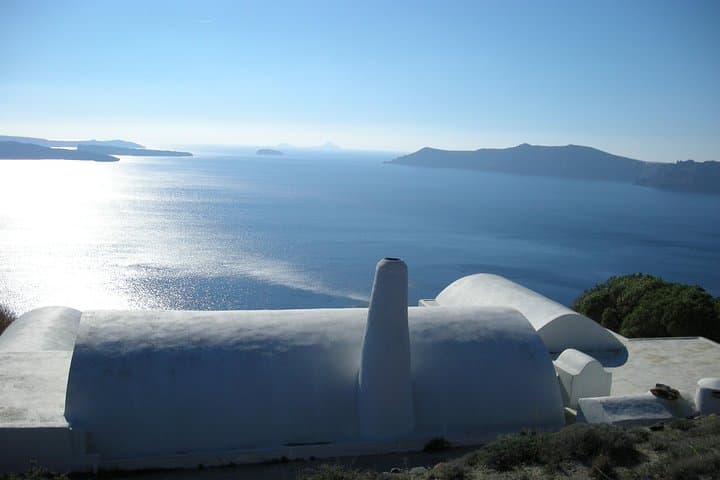
You step onto sun-warmed flagstone and the island exhales around you: the Aegean spreads blue on one side, the ragged rim of the caldera drops away on the other. The path threads white villages perched like shipwrecked houses, and each turn opens a new angle on houses, domes, and the volcanic sea below.
You step onto sun-warmed flagstone and the island exhales around you: the Aegean spreads blue on one side, the ragged rim of the caldera drops away on the other. The path threads white villages perched like shipwrecked houses, and each turn opens a new angle on houses, domes, and the volcanic sea below.
Santorini’s cliffs are the visible edge of one of the eastern Mediterranean’s most dramatic geological stories—the Late Bronze Age Minoan (Thera) eruption that carved the caldera and left layers of pumice, ash, and black lava. Cultural traces are as obvious as the rock: Fira’s market streets, Firostefani’s cypress-circled church, Imerovigli’s lookout used to spot Ottoman and pirate ships, and Oia’s seafaring 19th-century mansions.
Expect roughly 10 km (about 6 miles) of walking along uneven caldera trails and narrow village lanes; 4–5 hours depending on pace and photo stops. Terrain alternates packed volcanic scree, flagstone steps, and sun-exposed cliff edges—good footwear and steady footing are non-negotiable. Start early for cooler light and fewer crowds, carry 1–2 liters of water, and use sun protection; the island offers sparse shade and strong southern sun.
Logistics are straightforward: most tours start in Fira, finish in Oia, with bus or taxi options back. The trail is largely waymarked but pay attention at village junctions. Take your time at Skaros rock and the small white church at Stavros for the best vistas, and remember: the landscape is fragile—stick to the path and leave no trace.