THE ADVENTURE COLLECTIVE® · Independent discovery and booking for outdoor travel

Walk the iconic Santorini caldera rim from Fira to Oia—an accessible 10–12 km trail of paved and dirt paths that delivers sweeping sea views, cliffside villages and volcanic geology. This guide covers what to expect, timing, and practical tips to make the most of the trek.
Walk the iconic Santorini caldera rim from Fira to Oia—an accessible 10–12 km trail of paved and dirt paths that delivers sweeping sea views, cliffside villages and volcanic geology. This guide covers what to expect, timing, and practical tips to make the most of the trek.
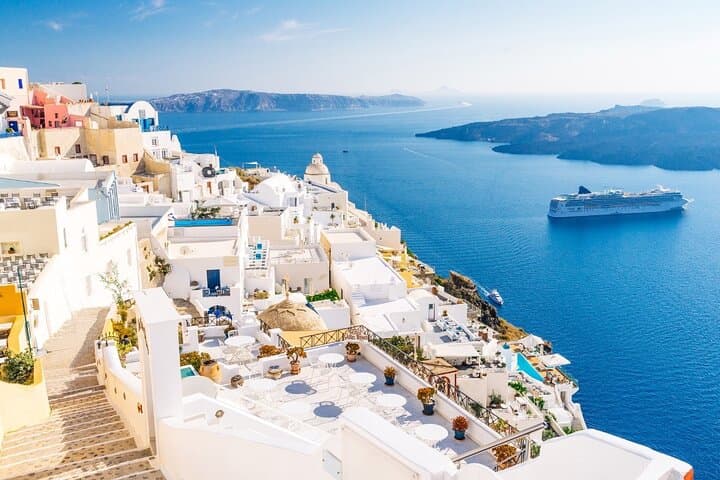
You step off the white-washed alleys of Fira and the caldera opens like a raw page of sea and cliff: the Aegean pushing at the island’s rim, wind shaping every tumble of dust and stone. The trail follows the rim north, alternating sun-baked paved lanes and compact dirt, threading through Firostefani and Imerovigli before arriving at Oia’s cliff-top overlooks.
Verified experiences and guided adventures in the surrounding area.
Operated by YourConciergeEurope · Fira, South Aegean
You step off the white-washed alleys of Fira and the caldera opens like a raw page of sea and cliff: the Aegean pushing at the island’s rim, wind shaping every tumble of dust and stone. The trail follows the rim north, alternating sun-baked paved lanes and compact dirt, threading through Firostefani and Imerovigli before arriving at Oia’s cliff-top overlooks.
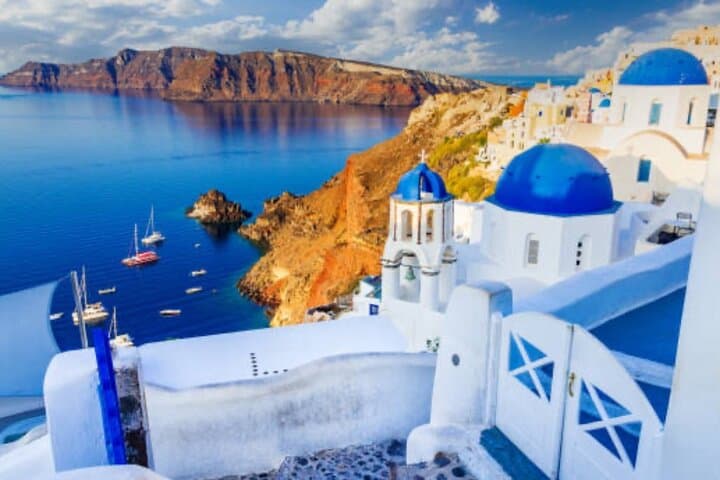
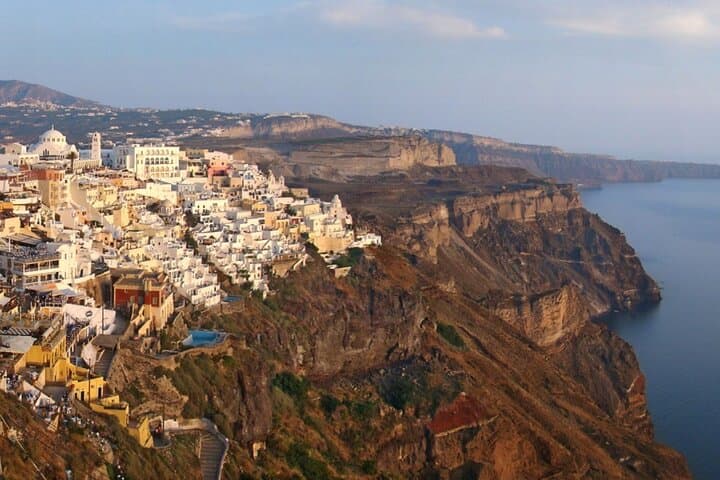
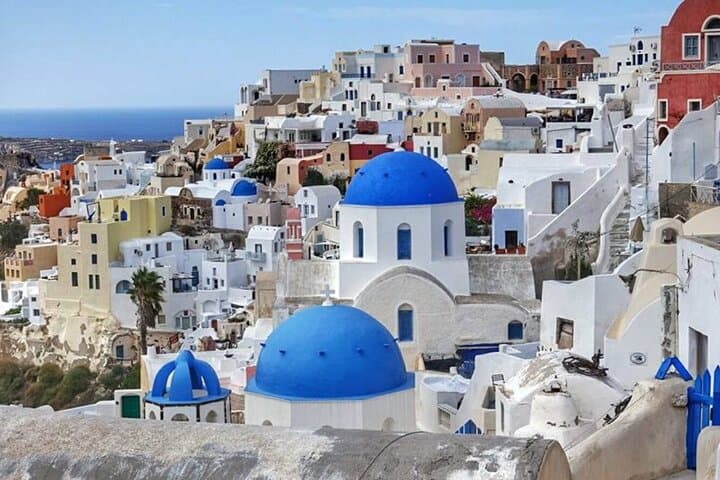
This route traces the edge of a volcanic caldera formed by a massive eruption in the second millennium BCE; the cliffs are layers of lava, tuff and pumice that still expose Santorini’s violent geological past. The architecture along the way—blue-domed chapels, narrow terraces and stepped houses—reflects Cycladic tradition, built to catch sea breezes and shade. Local life is present in small cafes, cat-filled alleys and terraces where fishermen’s descendants still mend nets.
Practical details: expect roughly 10–12 km (6–7.5 miles) on mixed terrain with cumulative elevation changes around 200–300 m; plan 3–4 hours including short stops. The trail is mostly exposed—sun and wind are constant companions—so start early to avoid heat and crowds and carry at least 1–2 liters of water. Footwear should be sturdy on grit and uneven paving. There are photo-perfect lookout points for sunrise and sunset, but timing affects crowds and light.
Guided walks often include round-trip hotel transfers and bottled water; independent hikers should map pickup options and wear layered clothing for brisk caldera winds. The walk is equal parts natural theater and cultural passage—bring curiosity, steady shoes and respect for narrow village lanes.
moderate.
3–4 hours.
Suitable for hikers in regular physical condition who can manage several hours of walking and some short climbs; not recommended for those with limited mobility.
The route is about 10–12 km (6–7.5 miles) and typically takes 3–4 hours at a steady pace with short stops.
No technical climbing is required; the trail is mixed paved and dirt with some uneven sections—good footwear is recommended.
You’ll pass cafes in Firostefani and Imerovigli and restaurants in Oia; water is often provided on guided tours, but carry extra if self-guiding.
Some sections include stairs and narrow alleys; short stretches are stroller-accessible but parents should expect to carry or avoid stairs and steep drops.
The caldera formed in a major volcanic collapse in the Bronze Age; settlements rebuilt over centuries reflecting maritime and agricultural life in the Cyclades.
Stay on marked paths to protect fragile cliff vegetation and don’t leave litter; water is scarce on the island, so minimize single-use plastics when possible.
YourConciergeEurope operates guided outdoor trips and adventures with an emphasis on safety, stewardship, and memorable experiences.
You step off the white-washed alleys of Fira and the caldera opens like a raw page of sea and cliff: the Aegean pushing at the island’s rim, wind shaping every tumble of dust and stone. The trail follows the rim north, alternating sun-baked paved lanes and compact dirt, threading through Firostefani and Imerovigli before arriving at Oia’s cliff-top overlooks.
You step off the white-washed alleys of Fira and the caldera opens like a raw page of sea and cliff: the Aegean pushing at the island’s rim, wind shaping every tumble of dust and stone. The trail follows the rim north, alternating sun-baked paved lanes and compact dirt, threading through Firostefani and Imerovigli before arriving at Oia’s cliff-top overlooks.
This route traces the edge of a volcanic caldera formed by a massive eruption in the second millennium BCE; the cliffs are layers of lava, tuff and pumice that still expose Santorini’s violent geological past. The architecture along the way—blue-domed chapels, narrow terraces and stepped houses—reflects Cycladic tradition, built to catch sea breezes and shade. Local life is present in small cafes, cat-filled alleys and terraces where fishermen’s descendants still mend nets.
Practical details: expect roughly 10–12 km (6–7.5 miles) on mixed terrain with cumulative elevation changes around 200–300 m; plan 3–4 hours including short stops. The trail is mostly exposed—sun and wind are constant companions—so start early to avoid heat and crowds and carry at least 1–2 liters of water. Footwear should be sturdy on grit and uneven paving. There are photo-perfect lookout points for sunrise and sunset, but timing affects crowds and light.
Guided walks often include round-trip hotel transfers and bottled water; independent hikers should map pickup options and wear layered clothing for brisk caldera winds. The walk is equal parts natural theater and cultural passage—bring curiosity, steady shoes and respect for narrow village lanes.