THE ADVENTURE COLLECTIVE® · Independent discovery and booking for outdoor travel

Drive the notorious Costa da Morte from A Coruña on a private full‑day 4x4 tour to Finisterre, Cabo Vilán, Camariñas and Ézaro. Expect windswept cliffs, coastal lighthouses and local seafood stops, with short walks to iconic viewpoints.
Drive the notorious Costa da Morte from A Coruña on a private full‑day 4x4 tour to Finisterre, Cabo Vilán, Camariñas and Ézaro. Expect windswept cliffs, coastal lighthouses and local seafood stops, with short walks to iconic viewpoints.
You arrive with salt on your jacket and wind already tugging at your scarf — the road out of A Coruña narrows and the Atlantic opens up into a raw, gray horizon. Cliffs sear upward and lighthouses punctuate the skyline like weathered sentries. The tour moves by 4x4 along hairpin coastal roads, pausing at viewpoints where gulls wheel and the sea seems to test the coastline's hold.
Verified experiences and guided adventures in the surrounding area.
Operated by Tours of Galicia · Fisterra, Galicia
You arrive with salt on your jacket and wind already tugging at your scarf — the road out of A Coruña narrows and the Atlantic opens up into a raw, gray horizon. Cliffs sear upward and lighthouses punctuate the skyline like weathered sentries. The tour moves by 4x4 along hairpin coastal roads, pausing at viewpoints where gulls wheel and the sea seems to test the coastline's hold.
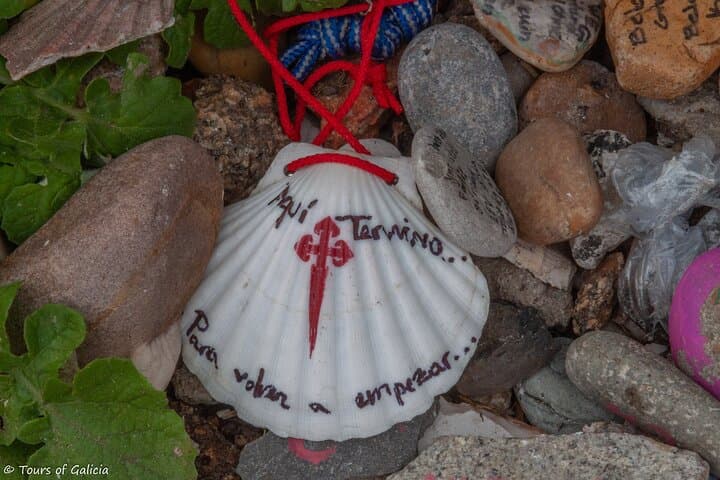
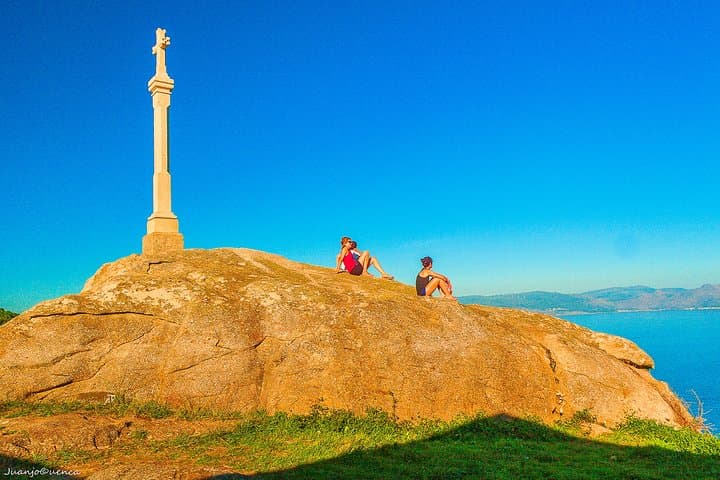
The name Costa da Morte—Death Coast—recalls shipwrecks and maritime danger; Romans called Finisterre "the end of the known world," and pilgrims still come here after Santiago to watch the last light hit the ocean. Geologically, you’re on Hercynian granite: rounded headlands, wave-cut platforms and steep exfoliated cliffs that drop to hidden coves. Ézaro’s waterfall, the only one in continental Europe that falls directly to the sea, adds a rare freshwater counterpoint.
Culture here is small‑town and practical: Camariñas’ bobbin lace and seafood kitchens reflect a community shaped by the sea. Expect local flavors at a lunch stop and a guide who blends natural history with regional lore.
Practical guidance: bring windproof layers and sturdy shoes for short walks on uneven rock, and plan for changing light—sunrise and late afternoon give the best photographs. The full-day private format lets you linger at the Virxe da Barca, scramble to viewpoints above Ézaro, or simply watch pilgrims on the promontory. Respect sacred sites and the fragile coastal flora: stay on marked paths and pack out any waste. With planning, this shore excursion is a tidy mix of dramatic scenery, cultural moments and accessible walking.
easy.
7–8 hours.
Suitable for most fitness levels; requires ability to walk short uneven sections and climb moderate steps.
The private shore excursion runs about 7–8 hours and typically departs from A Coruña; pick‑up logistics are arranged at booking.
Yes—the tour is mainly by vehicle with short, optional walks; guests with limited mobility should communicate needs in advance for tailored stops.
Yes—there’s a planned lunch stop in Camariñas to sample local seafood and Galician specialties; dietary requests can be accommodated if noted.
Yes—the private format allows flexibility; the guide can adjust stops and timing to suit weather, interests or mobility limitations.
The Cape Finisterre area was considered the western edge by Romans and later became a traditional final stop for pilgrims continuing past Santiago de Compostela to see the ocean.
Coastal vegetation is fragile and subject to erosion; stay on marked paths, avoid trampling dune plants and take all litter with you to reduce impact.
Tours of Galicia operates guided outdoor trips and adventures with an emphasis on safety, stewardship, and memorable experiences.
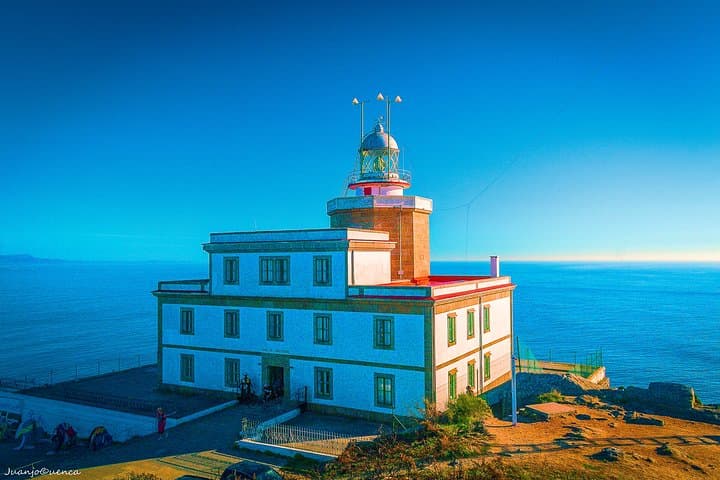
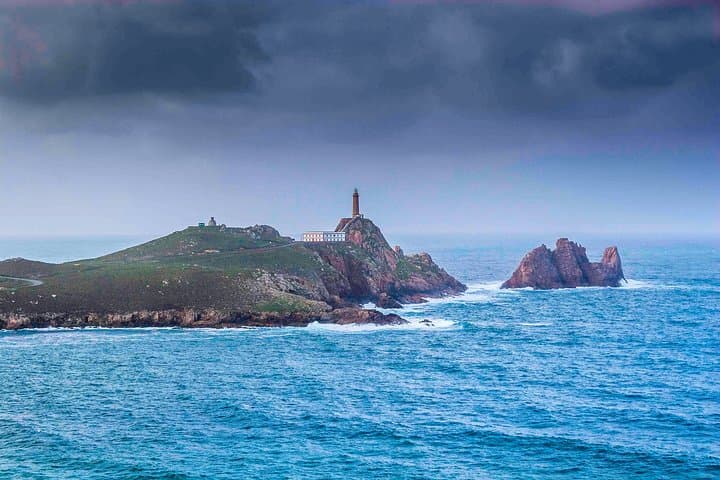
You arrive with salt on your jacket and wind already tugging at your scarf — the road out of A Coruña narrows and the Atlantic opens up into a raw, gray horizon. Cliffs sear upward and lighthouses punctuate the skyline like weathered sentries. The tour moves by 4x4 along hairpin coastal roads, pausing at viewpoints where gulls wheel and the sea seems to test the coastline's hold.
You arrive with salt on your jacket and wind already tugging at your scarf — the road out of A Coruña narrows and the Atlantic opens up into a raw, gray horizon. Cliffs sear upward and lighthouses punctuate the skyline like weathered sentries. The tour moves by 4x4 along hairpin coastal roads, pausing at viewpoints where gulls wheel and the sea seems to test the coastline's hold.
The name Costa da Morte—Death Coast—recalls shipwrecks and maritime danger; Romans called Finisterre "the end of the known world," and pilgrims still come here after Santiago to watch the last light hit the ocean. Geologically, you’re on Hercynian granite: rounded headlands, wave-cut platforms and steep exfoliated cliffs that drop to hidden coves. Ézaro’s waterfall, the only one in continental Europe that falls directly to the sea, adds a rare freshwater counterpoint.
Culture here is small‑town and practical: Camariñas’ bobbin lace and seafood kitchens reflect a community shaped by the sea. Expect local flavors at a lunch stop and a guide who blends natural history with regional lore.
Practical guidance: bring windproof layers and sturdy shoes for short walks on uneven rock, and plan for changing light—sunrise and late afternoon give the best photographs. The full-day private format lets you linger at the Virxe da Barca, scramble to viewpoints above Ézaro, or simply watch pilgrims on the promontory. Respect sacred sites and the fragile coastal flora: stay on marked paths and pack out any waste. With planning, this shore excursion is a tidy mix of dramatic scenery, cultural moments and accessible walking.