THE ADVENTURE COLLECTIVE® · Independent discovery and booking for outdoor travel

A full-day, 7-stop loop from Santiago de Compostela to Cape Finisterre and Muxía that pairs coastal geology, pilgrimage history, and Galician seaside culture. Expect dramatic headlands, a waterfall flowing to the sea, and convenient stops for lunch and short walks.
A full-day, 7-stop loop from Santiago de Compostela to Cape Finisterre and Muxía that pairs coastal geology, pilgrimage history, and Galician seaside culture. Expect dramatic headlands, a waterfall flowing to the sea, and convenient stops for lunch and short walks.
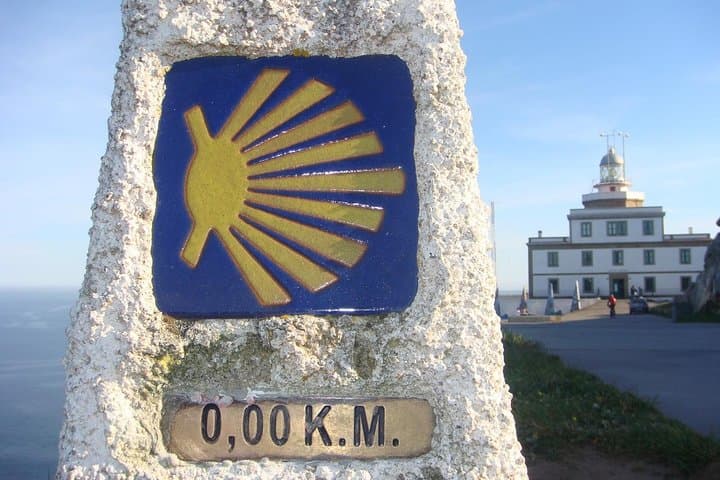
You step off the air-conditioned van onto wind-scrubbed rock and the Atlantic immediately takes charge, gusting around the lighthouse at Cabo Finisterre as if insisting you look out. The coastline here feels honest: broad granite headlands, stony beaches, and a sea that pushes against cliffs with a steady, ancient patience.
Verified experiences and guided adventures in the surrounding area.
Operated by Galicia Travels · Finisterre, Galicia
You step off the air-conditioned van onto wind-scrubbed rock and the Atlantic immediately takes charge, gusting around the lighthouse at Cabo Finisterre as if insisting you look out. The coastline here feels honest: broad granite headlands, stony beaches, and a sea that pushes against cliffs with a steady, ancient patience.
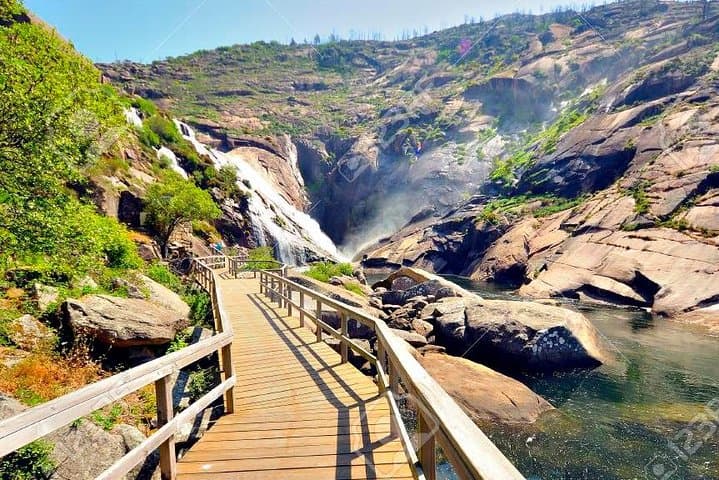
This full-day loop from Santiago links sites that map the end of the Jacobean pilgrimage route — the medieval idea of the world’s edge — with pre-Roman legends and later maritime trade. Geologically, the Costa da Morte is driven by fractured granite and rounded tors; small rivers cut steep valleys that meet the ocean in dramatic waterfalls like Ézaro, one of continental Europe’s few falls that empties straight into the sea.
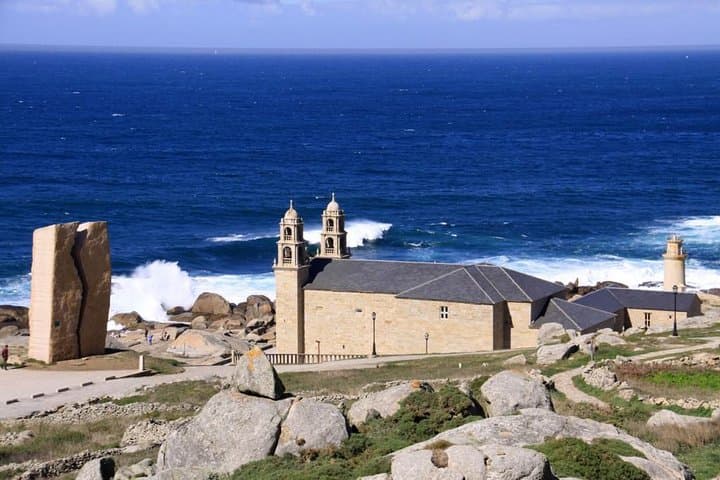
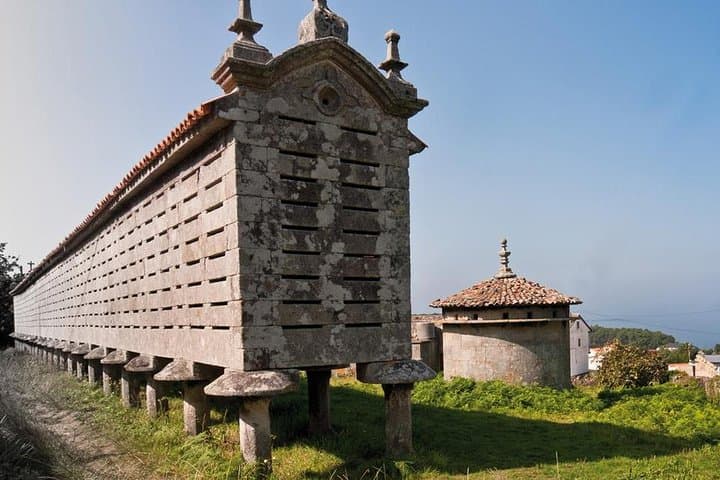
Cultural notes arrive in plain forms: horreos (stone granaries) like Carnota’s long hórreo, weathered chapels such as the Virxe da Barca at Muxía with its legendary stones, and fishing ports like Muros where the medieval connection to Santiago is still visible in narrow streets and seafood-focused menus.
Practical guidance: this tour is low-impact on fitness but includes short walks and stairs — bring layered waterproofs, sturdy shoes, and a daypack. Plan for coastal wind, quick weather shifts, and a lunch stop in Finisterre town; many restaurants serve grilled fish and octopus typical of Galician cuisine.
Timing-wise, morning departures maximize daylight for the panoramic cape view and Ézaro; late-afternoon light sharpens the cliffs for photography. Respect local paths, give wildlife space, and carry reusable water — the Atlantic will test your layers but reward you with wide, uncompromising scenery.
easy.
9–10 hours.
Minimal fitness required; appropriate for most travelers who can manage short walks and stairs
The tour runs about 9–10 hours and typically departs from central Santiago de Compostela; confirm exact pickup point when booking.
Most stops involve short level walks; the tour advertises wheelchair accessibility for vehicle surfaces, but some viewpoints have stairs or uneven ground.
Lunch is not included but there is a 90-minute stop in Finisterre where you can choose local restaurants and menus.
Late spring through early fall offers milder conditions and longer daylight; winter is quieter but windier and cooler.
Finisterre was regarded by Romans as the 'end of the world' and later became a symbolic extension of the Camino de Santiago where pilgrims came to mark the pilgrimage's close.
Coastal habitats here are sensitive to erosion and visitor pressure; stick to marked paths, avoid disturbing nesting birds, and use refillable water to reduce plastic waste.
Galicia Travels operates guided outdoor trips and adventures with an emphasis on safety, stewardship, and memorable experiences.
You step off the air-conditioned van onto wind-scrubbed rock and the Atlantic immediately takes charge, gusting around the lighthouse at Cabo Finisterre as if insisting you look out. The coastline here feels honest: broad granite headlands, stony beaches, and a sea that pushes against cliffs with a steady, ancient patience.
You step off the air-conditioned van onto wind-scrubbed rock and the Atlantic immediately takes charge, gusting around the lighthouse at Cabo Finisterre as if insisting you look out. The coastline here feels honest: broad granite headlands, stony beaches, and a sea that pushes against cliffs with a steady, ancient patience.
This full-day loop from Santiago links sites that map the end of the Jacobean pilgrimage route — the medieval idea of the world’s edge — with pre-Roman legends and later maritime trade. Geologically, the Costa da Morte is driven by fractured granite and rounded tors; small rivers cut steep valleys that meet the ocean in dramatic waterfalls like Ézaro, one of continental Europe’s few falls that empties straight into the sea.
Cultural notes arrive in plain forms: horreos (stone granaries) like Carnota’s long hórreo, weathered chapels such as the Virxe da Barca at Muxía with its legendary stones, and fishing ports like Muros where the medieval connection to Santiago is still visible in narrow streets and seafood-focused menus.
Practical guidance: this tour is low-impact on fitness but includes short walks and stairs — bring layered waterproofs, sturdy shoes, and a daypack. Plan for coastal wind, quick weather shifts, and a lunch stop in Finisterre town; many restaurants serve grilled fish and octopus typical of Galician cuisine.
Timing-wise, morning departures maximize daylight for the panoramic cape view and Ézaro; late-afternoon light sharpens the cliffs for photography. Respect local paths, give wildlife space, and carry reusable water — the Atlantic will test your layers but reward you with wide, uncompromising scenery.