THE ADVENTURE COLLECTIVE® · Independent discovery and booking for outdoor travel

A one-day guided loop from Santiago to Galicia’s wild western coast, linking Finisterre’s lighthouse and Kilometre 0 with Muxía’s sanctuary and sacred stones. Expect windy clifftops, granite coves, and concise cultural context for pilgrims and coastal explorers.
A one-day guided loop from Santiago to Galicia’s wild western coast, linking Finisterre’s lighthouse and Kilometre 0 with Muxía’s sanctuary and sacred stones. Expect windy clifftops, granite coves, and concise cultural context for pilgrims and coastal explorers.
You step out of the coach into a wind that seems to push you toward the horizon — the Atlantic pressing against granite cliffs, waves daring the rocks below.
Verified experiences and guided adventures in the surrounding area.
Operated by Galicia Travels · Fisterra (Finisterre), A Coruña
You step out of the coach into a wind that seems to push you toward the horizon — the Atlantic pressing against granite cliffs, waves daring the rocks below.
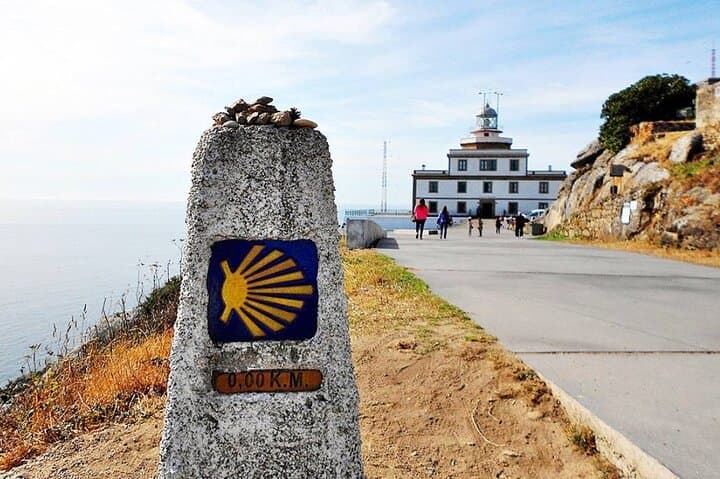
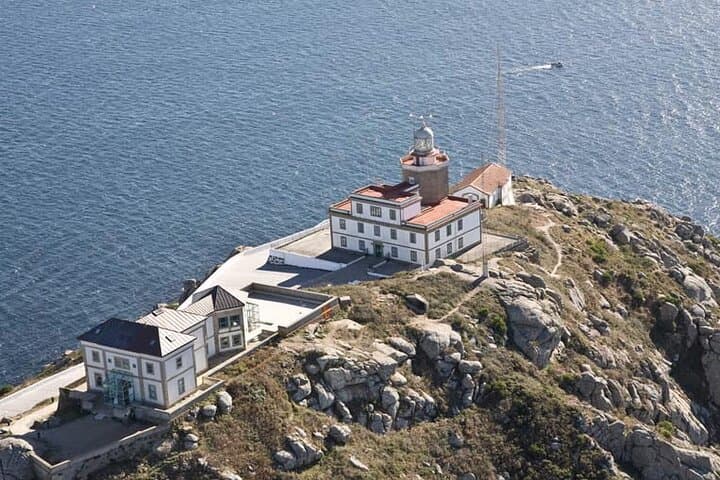
This express day trip threads together two of Galicia’s most dramatic coastal places: Finisterre (Fisterra) with its lighthouse and the famed Kilometre 0 marker of the Camino, and Muxía with its rugged sanctuary and sacred stones. Geologically, the coast is hard, ancient granite carved by relentless surf; you’ll see terraces and headlands that record a slow collision of land and sea. Historically the cape marked the western edge of medieval maps and later became a ritual endpoint for pilgrims who continue to burn boots or leave mementos at the 0 KM stone.
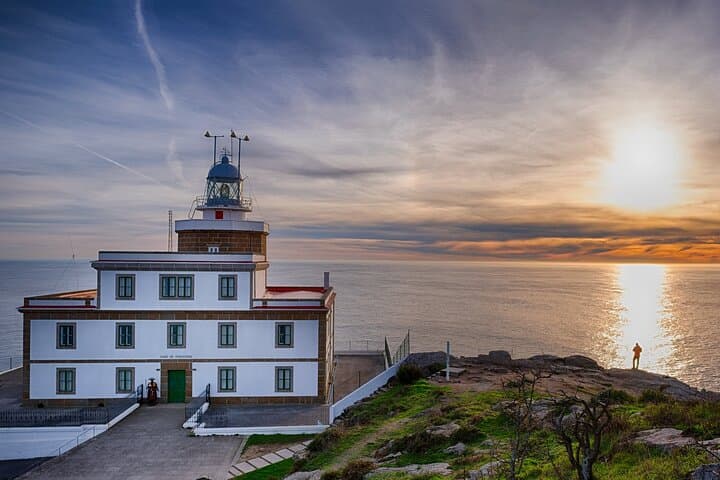
Culturally, both towns retain strong Galician identity — from seafood-centric menus to small chapels and stone crosses. In Muxía local legends of the Virgen da Barca mingle with seafaring traditions; in Finisterre the lighthouse announces an austere, reflective shore.
Practical guidance: expect light walking on uneven cobbles and coastal trails, bring a waterproof layer and sturdy shoes, and allow time for sudden winds and changing weather. Plan for three to six hours on-site depending on how long you linger in cafés or at viewpoints. Carry local cash for small purchases, and respect marked paths to protect fragile cliffside vegetation.
This is a compact coastal immersion — part natural spectacle, part pilgrimage stop — aimed at travelers who want big views, cultural context, and a controlled, full-day taste of Galicia’s Costa da Morte.
easy.
6 hours.
Suitable for most fitness levels; involves short walks on uneven ground and stairs in village centres.
The tour runs about 6 hours and departs from the Galicia Travels office in Santiago; check-in is recommended 5 minutes before the 08:45 departure.
The itinerary includes stops at Finisterre’s cape area (views and Kilometre 0) and Muxía’s sanctuary; entry inside buildings is subject to opening times and personal choice.
The operator lists the tour as wheelchair accessible, but note that outdoor viewpoints and some village streets are uneven so assistance may be needed.
Meals are not included; you’ll have free time in both towns to buy food—bring cash for smaller local vendors.
Finisterre was considered the western edge of the known world in the Middle Ages and later became a ritual end-point for Camino pilgrims; Muxía’s sanctuary is tied to maritime legends of the Virgin’s arrival by boat.
Coastal vegetation and dune systems are fragile; stick to marked trails, avoid disturbing bird colonies, and pack out any litter to reduce erosion and habitat impact.
Galicia Travels operates guided outdoor trips and adventures with an emphasis on safety, stewardship, and memorable experiences.
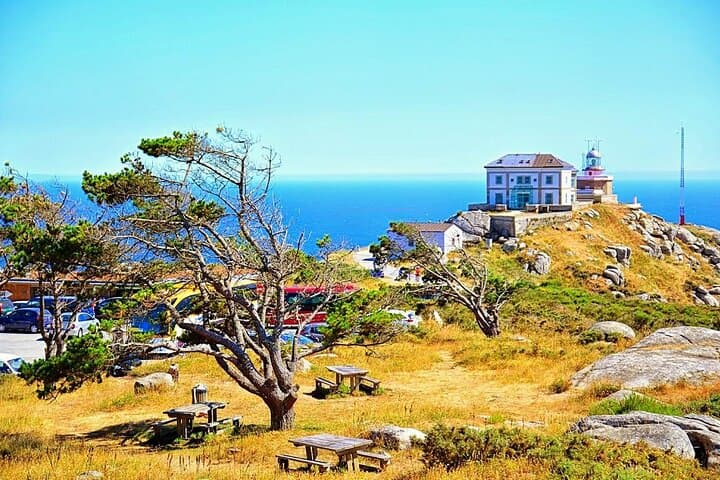
You step out of the coach into a wind that seems to push you toward the horizon — the Atlantic pressing against granite cliffs, waves daring the rocks below.
You step out of the coach into a wind that seems to push you toward the horizon — the Atlantic pressing against granite cliffs, waves daring the rocks below.
This express day trip threads together two of Galicia’s most dramatic coastal places: Finisterre (Fisterra) with its lighthouse and the famed Kilometre 0 marker of the Camino, and Muxía with its rugged sanctuary and sacred stones. Geologically, the coast is hard, ancient granite carved by relentless surf; you’ll see terraces and headlands that record a slow collision of land and sea. Historically the cape marked the western edge of medieval maps and later became a ritual endpoint for pilgrims who continue to burn boots or leave mementos at the 0 KM stone.
Culturally, both towns retain strong Galician identity — from seafood-centric menus to small chapels and stone crosses. In Muxía local legends of the Virgen da Barca mingle with seafaring traditions; in Finisterre the lighthouse announces an austere, reflective shore.
Practical guidance: expect light walking on uneven cobbles and coastal trails, bring a waterproof layer and sturdy shoes, and allow time for sudden winds and changing weather. Plan for three to six hours on-site depending on how long you linger in cafés or at viewpoints. Carry local cash for small purchases, and respect marked paths to protect fragile cliffside vegetation.
This is a compact coastal immersion — part natural spectacle, part pilgrimage stop — aimed at travelers who want big views, cultural context, and a controlled, full-day taste of Galicia’s Costa da Morte.