THE ADVENTURE COLLECTIVE® · Independent discovery and booking for outdoor travel

Explore the Finger Lakes' wine trails where glacial lakes shape Rieslings and boutique vineyards offer tastings. Practical tips and local insights prepare you to taste with purpose.
Explore the Finger Lakes' wine trails where glacial lakes shape Rieslings and boutique vineyards offer tastings. Practical tips and local insights prepare you to taste with purpose.
You step out of the car and the lake air pushes at you with a cool, mineral tang; long fingers of water cut into hillsides and the vines lean toward that pull as if listening.
Verified experiences and guided adventures in the surrounding area.
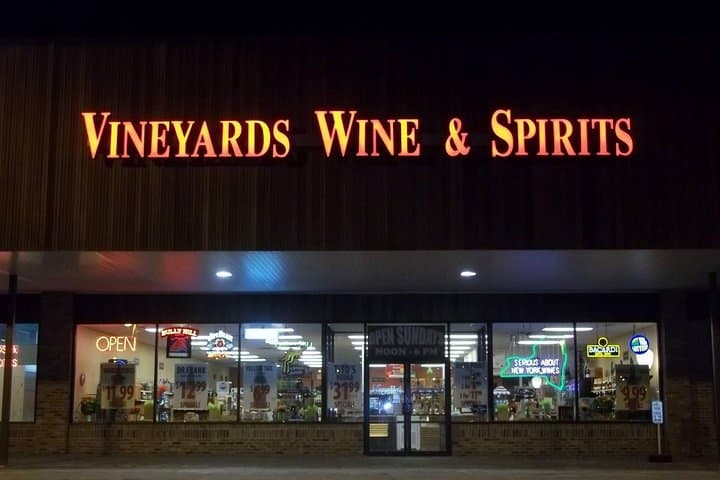
Operated by vineyards wine & spirits · Canandaigua, New York
You step out of the car and the lake air pushes at you with a cool, mineral tang; long fingers of water cut into hillsides and the vines lean toward that pull as if listening.
The Finger Lakes region was carved by glaciers; those deep, narrow lakes moderate late‑spring frosts and give Riesling and other cool‑climate varieties a long, steady ripening season. Vineyards here trace a short history of experimentation — German and New York growers in the 19th and 20th centuries adapted European varieties to local soil and microclimates, and today small estates and tasting rooms dot the wine trails.
Tasting a flight is both sensory and scientific: slate and clay soils, lake breezes, and brisk acidity tell a geological story in a glass. Local culture leans casual and serviceable — family cellars, seasonal harvest events, and weekend free tastings in select rooms. Expect accessible tasting rooms, wheelchair‑friendly layouts at many stops, and staff who will talk weather, clones, and cellar technique.
Practical guidance: book weekend tastings in advance, designate a driver or hire a shuttle, and pace yourself — standard flights are 4–6 pours. Wear comfortable shoes for gravel paths and short vineyard walks; bring a reusable water bottle and sunscreen. Plan for cell coverage gaps between lakes, and schedule photo stops during late afternoon for the best light on the water.
This is a day of slow discovery rather than a race — the lakes dare you to slow down and taste the landscape.
easy.
5–6 hours.
Light walking ability is sufficient—expect short strolls through vineyards and standing during tastings.
Some smaller tasting rooms offer complimentary samples on specific days, but many charge a modest tasting fee—check each winery's policy before you go.
This tour listing does not include transport; travelers should arrange a driver, shuttle service, or plan a base in a nearby town like Canandaigua or Geneva.
Many Finger Lakes tasting rooms have accessible entrances and surfaces, but accessibility varies—call ahead to confirm specifics for each stop.
Yes—most wineries sell bottles and will ship domestically; staff can recommend cellar picks if you want to take bottles home.
Finger Lakes viticulture expanded in the 19th century and modern winemaking thrived after growers adapted European varieties to the deep, glacial soils and lake‑moderated climate.
Many producers practice sustainable or organic farming; be mindful of vineyard runoff and pack out waste to protect lake water quality.
vineyards wine & spirits operates guided outdoor trips and adventures with an emphasis on safety, stewardship, and memorable experiences.
You step out of the car and the lake air pushes at you with a cool, mineral tang; long fingers of water cut into hillsides and the vines lean toward that pull as if listening.
You step out of the car and the lake air pushes at you with a cool, mineral tang; long fingers of water cut into hillsides and the vines lean toward that pull as if listening.
The Finger Lakes region was carved by glaciers; those deep, narrow lakes moderate late‑spring frosts and give Riesling and other cool‑climate varieties a long, steady ripening season. Vineyards here trace a short history of experimentation — German and New York growers in the 19th and 20th centuries adapted European varieties to local soil and microclimates, and today small estates and tasting rooms dot the wine trails.
Tasting a flight is both sensory and scientific: slate and clay soils, lake breezes, and brisk acidity tell a geological story in a glass. Local culture leans casual and serviceable — family cellars, seasonal harvest events, and weekend free tastings in select rooms. Expect accessible tasting rooms, wheelchair‑friendly layouts at many stops, and staff who will talk weather, clones, and cellar technique.
Practical guidance: book weekend tastings in advance, designate a driver or hire a shuttle, and pace yourself — standard flights are 4–6 pours. Wear comfortable shoes for gravel paths and short vineyard walks; bring a reusable water bottle and sunscreen. Plan for cell coverage gaps between lakes, and schedule photo stops during late afternoon for the best light on the water.
This is a day of slow discovery rather than a race — the lakes dare you to slow down and taste the landscape.