THE ADVENTURE COLLECTIVE® · Independent discovery and booking for outdoor travel

Step into a working organic estate near San José for a private, hands-on tour of sustainable farming, coffee, and local wildlife. Over four hours you’ll learn practical techniques, taste estate-grown food and watch the small ecosystem that powers the farm.
Step into a working organic estate near San José for a private, hands-on tour of sustainable farming, coffee, and local wildlife. Over four hours you’ll learn practical techniques, taste estate-grown food and watch the small ecosystem that powers the farm.
The trail from the parking area fades into a wide, grassy lane and the air changes—coffee and damp earth step forward, birdsong threads the canopy, and Daniel Vega greets visitors with a practiced quiet rather than a sales pitch. Over four hours you move through plots, demonstration beds and shaded gallaries where the estate’s practices do the talking: compost, polyculture beds and living fences that hum with insect life.
Verified experiences and guided adventures in the surrounding area.
Operated by Finca Integral Didáctica el Paraíso · San José, San José
The trail from the parking area fades into a wide, grassy lane and the air changes—coffee and damp earth step forward, birdsong threads the canopy, and Daniel Vega greets visitors with a practiced quiet rather than a sales pitch. Over four hours you move through plots, demonstration beds and shaded gallaries where the estate’s practices do the talking: compost, polyculture beds and living fences that hum with insect life.
Geologically the property sits on the rolling foothills of Costa Rica’s Central Valley, soils worked by volcanic ash and steady tropical rains—conditions that favor coffee, fruit trees and the quick, green recovery after storms. Culturally, the tour traces smallholder traditions and a growing wave of organic certification and community-based agriculture in the region; expect practical stories about crop rotation, water catchment and market access as much as botany.
Wildlife is active here: hummingbirds dart through the flowering shrubs, frogs call from the understory, and the guides point out beneficial insects and native timber species. The visit balances observation with hands-on learning—planting, soil-testing and simple processing demos—so it suits curious travelers as much as students and volunteer groups.
Practical notes: tours are private, about four hours, and often include an organic lunch and estate coffee; mobile tickets are accepted. The terrain is low-angle farm paths—closed-toe shoes recommended—and expect mud in the rainy season. Bring sun protection, a refillable water bottle and binoculars for birding. The tour is designed to be accessible to most fitness levels but is not recommended for travelers with serious spinal, cardiovascular conditions or pregnancy.
Yes—many options include an organic lunch made from estate ingredients; check the package you book for specifics.
The tour uses low-gradient farm paths but includes standing and light walking; it’s not suitable for serious spinal injuries and may be challenging for some mobility aids.
Yes—English translation is offered as an add-on on some packages; request it when booking to ensure availability.
Full refunds are available if you cancel at least 24 hours before departure; tours may also be cancelled for poor weather or low bookings.
Finca Integral Didáctica el Paraíso operates guided outdoor trips and adventures with an emphasis on safety, stewardship, and memorable experiences.
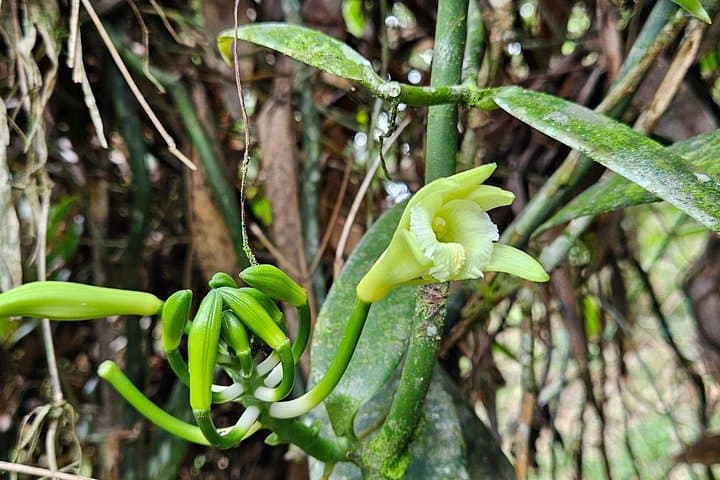

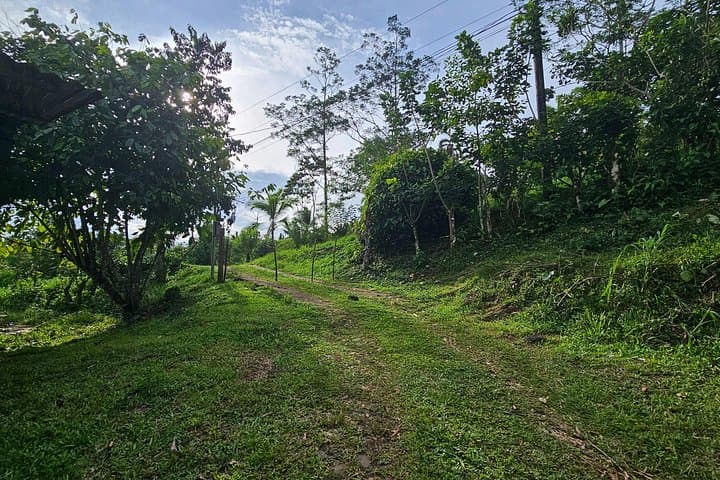
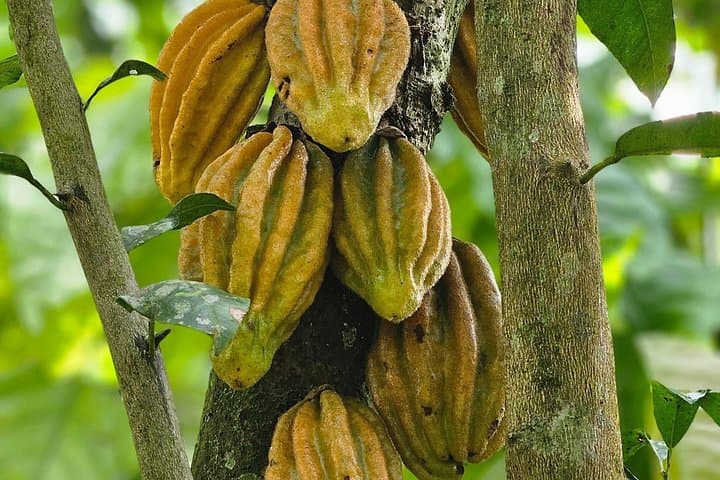
The trail from the parking area fades into a wide, grassy lane and the air changes—coffee and damp earth step forward, birdsong threads the canopy, and Daniel Vega greets visitors with a practiced quiet rather than a sales pitch. Over four hours you move through plots, demonstration beds and shaded gallaries where the estate’s practices do the talking: compost, polyculture beds and living fences that hum with insect life.
The trail from the parking area fades into a wide, grassy lane and the air changes—coffee and damp earth step forward, birdsong threads the canopy, and Daniel Vega greets visitors with a practiced quiet rather than a sales pitch. Over four hours you move through plots, demonstration beds and shaded gallaries where the estate’s practices do the talking: compost, polyculture beds and living fences that hum with insect life.
Geologically the property sits on the rolling foothills of Costa Rica’s Central Valley, soils worked by volcanic ash and steady tropical rains—conditions that favor coffee, fruit trees and the quick, green recovery after storms. Culturally, the tour traces smallholder traditions and a growing wave of organic certification and community-based agriculture in the region; expect practical stories about crop rotation, water catchment and market access as much as botany.
Wildlife is active here: hummingbirds dart through the flowering shrubs, frogs call from the understory, and the guides point out beneficial insects and native timber species. The visit balances observation with hands-on learning—planting, soil-testing and simple processing demos—so it suits curious travelers as much as students and volunteer groups.
Practical notes: tours are private, about four hours, and often include an organic lunch and estate coffee; mobile tickets are accepted. The terrain is low-angle farm paths—closed-toe shoes recommended—and expect mud in the rainy season. Bring sun protection, a refillable water bottle and binoculars for birding. The tour is designed to be accessible to most fitness levels but is not recommended for travelers with serious spinal, cardiovascular conditions or pregnancy.