THE ADVENTURE COLLECTIVE® · Independent discovery and booking for outdoor travel

Explore two of the Coffee Triangle’s most photogenic towns on a private half-day tour. Walk Filandia’s viewpoints and Salento’s Calle Real, learn why the region is a UNESCO site, and soak up coffee culture with time for photos and local bites.
Explore two of the Coffee Triangle’s most photogenic towns on a private half-day tour. Walk Filandia’s viewpoints and Salento’s Calle Real, learn why the region is a UNESCO site, and soak up coffee culture with time for photos and local bites.
Dusty mountain air and bright painted facades frame the start of your day as a private van peels away from Armenia and climbs into the western Andes. Filandia arrives first: a compact town poised on a ridge where viewpoints pry open the coffee landscape, rows of green hills folding toward distant peaks. Later, Salento’s Calle Real unfurls — narrow cobblestones, overflowing balconies, and the wax palms at the edge of the valley daring you to look beyond town into the Cocora corridor.
Verified experiences and guided adventures in the surrounding area.
Operated by Gran Colombia Tours · Salento, Quindío
Dusty mountain air and bright painted facades frame the start of your day as a private van peels away from Armenia and climbs into the western Andes. Filandia arrives first: a compact town poised on a ridge where viewpoints pry open the coffee landscape, rows of green hills folding toward distant peaks. Later, Salento’s Calle Real unfurls — narrow cobblestones, overflowing balconies, and the wax palms at the edge of the valley daring you to look beyond town into the Cocora corridor.
These towns sit inside the Coffee Cultural Landscape, a UNESCO World Heritage area recognized for centuries-old coffee farms, colonial-era town planning, and a living rural culture built around coffee production. Geologically the region is a young Andean range of volcanic soils and steep ridgelines that favor high-quality Arabica. Locally, families blend coffee cultivation with artisan crafts and small-scale hospitality; expect friendly shopkeepers and the smell of roasted beans.
Practically: this private 5–6 hour tour is paced for casual walkers — short hill climbs and cobbled streets, frequent photo stops, and a guided primer on the UNESCO designation. Bring comfortable shoes for uneven pavement, a light rain layer (mountain weather shifts fast), and local currency for souvenirs and snacks in Salento. Timing matters: morning light catches the valleys best and afternoons can turn to showers.
The itinerary is ideal for travelers who want cultural context without long hikes — a compact, sensory introduction to Colombia’s coffee country and the people who shape it.
easy.
5–6 hours.
Suitable for most fitness levels; requires comfortable walking on short hills and cobblestone streets.
The guide provides a short lesson on coffee and the UNESCO landscape; formal tastings at farms are not listed as included — ask the operator if you’d like a cupping stop.
Meals are not specified; the itinerary allows time to eat in Salento where cafés and small restaurants offer local dishes and snacks.
Yes — the tour includes hotel pick-up and drop-off in private transportation within the service area; confirm your pickup location when booking.
Yes — the tour is rated easy and suitable for most ages, though cobbles and short hill climbs may be challenging for mobility-limited guests.
Salento and Filandia developed during the 19th-century coffee boom; the Coffee Cultural Landscape preserves traditional farms, town plans, and colonial-era architecture.
Local communities participate in sustainable coffee practices and conservation of the wax palm landscapes; visitors are encouraged to support local businesses and avoid single-use plastics.
Gran Colombia Tours operates guided outdoor trips and adventures with an emphasis on safety, stewardship, and memorable experiences.

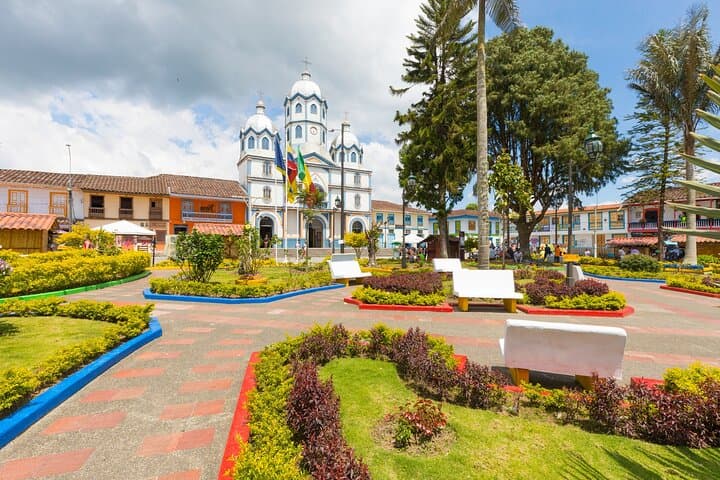
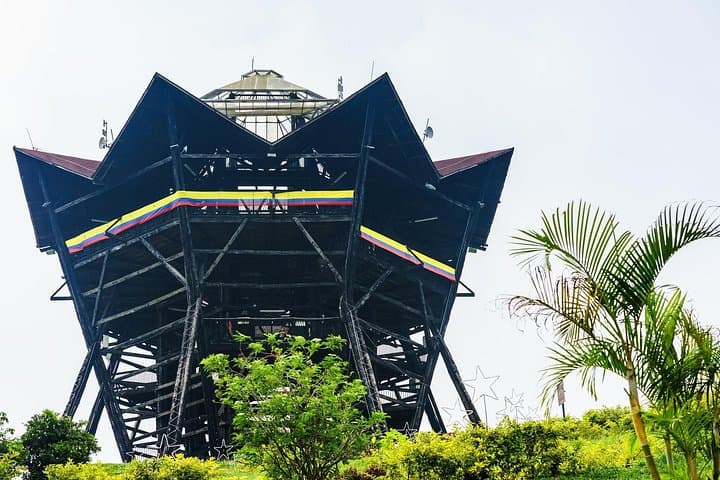
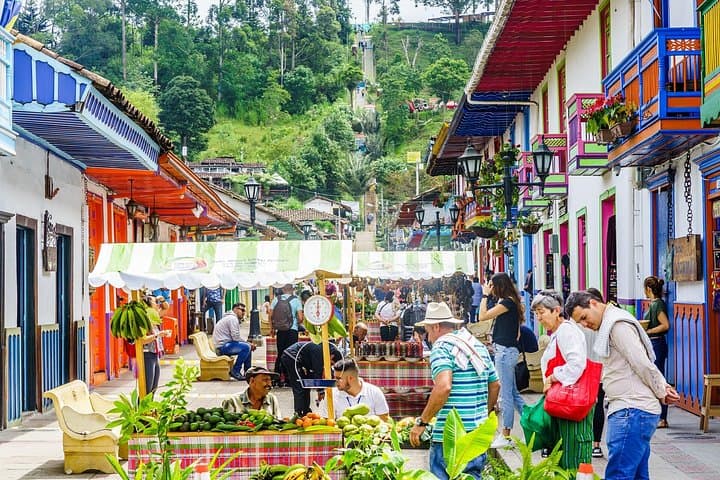
Dusty mountain air and bright painted facades frame the start of your day as a private van peels away from Armenia and climbs into the western Andes. Filandia arrives first: a compact town poised on a ridge where viewpoints pry open the coffee landscape, rows of green hills folding toward distant peaks. Later, Salento’s Calle Real unfurls — narrow cobblestones, overflowing balconies, and the wax palms at the edge of the valley daring you to look beyond town into the Cocora corridor.
Dusty mountain air and bright painted facades frame the start of your day as a private van peels away from Armenia and climbs into the western Andes. Filandia arrives first: a compact town poised on a ridge where viewpoints pry open the coffee landscape, rows of green hills folding toward distant peaks. Later, Salento’s Calle Real unfurls — narrow cobblestones, overflowing balconies, and the wax palms at the edge of the valley daring you to look beyond town into the Cocora corridor.
These towns sit inside the Coffee Cultural Landscape, a UNESCO World Heritage area recognized for centuries-old coffee farms, colonial-era town planning, and a living rural culture built around coffee production. Geologically the region is a young Andean range of volcanic soils and steep ridgelines that favor high-quality Arabica. Locally, families blend coffee cultivation with artisan crafts and small-scale hospitality; expect friendly shopkeepers and the smell of roasted beans.
Practically: this private 5–6 hour tour is paced for casual walkers — short hill climbs and cobbled streets, frequent photo stops, and a guided primer on the UNESCO designation. Bring comfortable shoes for uneven pavement, a light rain layer (mountain weather shifts fast), and local currency for souvenirs and snacks in Salento. Timing matters: morning light catches the valleys best and afternoons can turn to showers.
The itinerary is ideal for travelers who want cultural context without long hikes — a compact, sensory introduction to Colombia’s coffee country and the people who shape it.