THE ADVENTURE COLLECTIVE® · Independent discovery and booking for outdoor travel

Set sail from Golfo Aranci to Figarolo Island and Capo Figari for a 3–4 hour dolphin-watching and snorkeling trip. Expect calm coves, snorkeling over Posidonia beds, and responsible operators who brief you on dolphin behavior and eco-friendly viewing.
Set sail from Golfo Aranci to Figarolo Island and Capo Figari for a 3–4 hour dolphin-watching and snorkeling trip. Expect calm coves, snorkeling over Posidonia beds, and responsible operators who brief you on dolphin behavior and eco-friendly viewing.
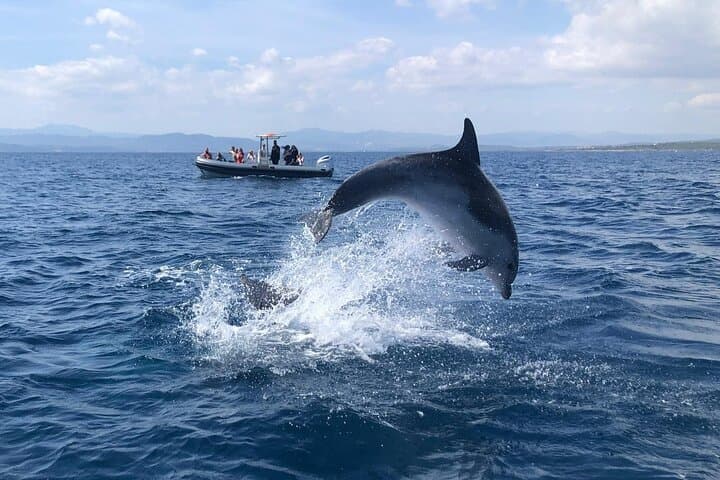
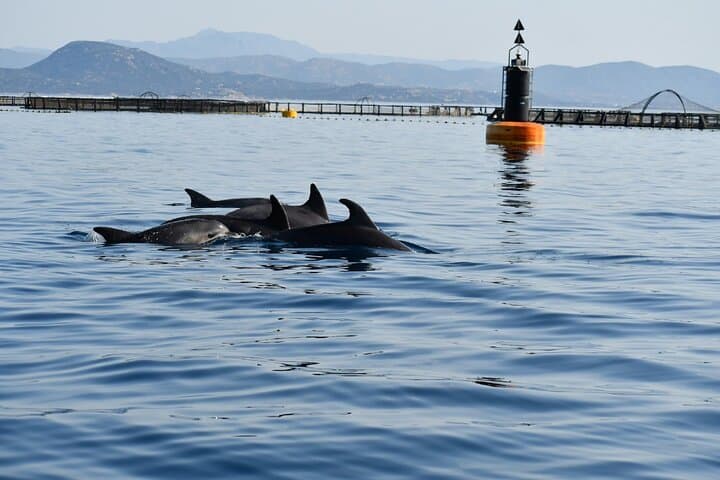
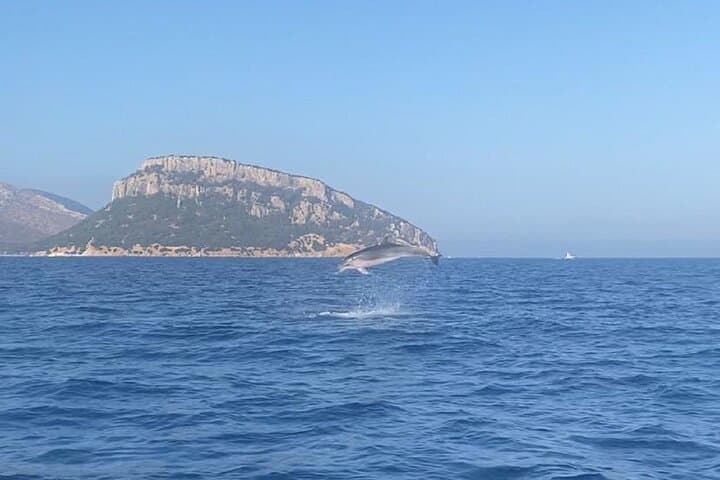
The boat slips free from Golfo Aranci and the shore eases away: wind lifts the salt, gulls wheel and the water glints a clear Mediterranean blue. Within minutes the coastline opens to Capo Figari and the small crescent of Figarolo Island; dolphins often appear ahead of the bow, arcing and clicking as if inviting you into their domain.
Verified experiences and guided adventures in the surrounding area.
Operated by DST- Diving & Snorkelling Team Sardegna · Golfo Aranci, Sardinia
The boat slips free from Golfo Aranci and the shore eases away: wind lifts the salt, gulls wheel and the water glints a clear Mediterranean blue. Within minutes the coastline opens to Capo Figari and the small crescent of Figarolo Island; dolphins often appear ahead of the bow, arcing and clicking as if inviting you into their domain.
This stretch of Sardinian coast sits on ancient granite and schist, shaped by millennia of sea and sun. Fishermen and sailors have long read these currents — Golfo Aranci grew as a fishing and ferry harbor — and today small crews combine that local maritime knowledge with marine biology briefings to make sightings informative as well as exciting. Cala Greca and Cala Moresca present shallow reefs where Posidonia seagrass beds host small fish and sea urchins, while Figarolo’s rocky perimeter provides a favored corridor for dolphins hunting and socializing.
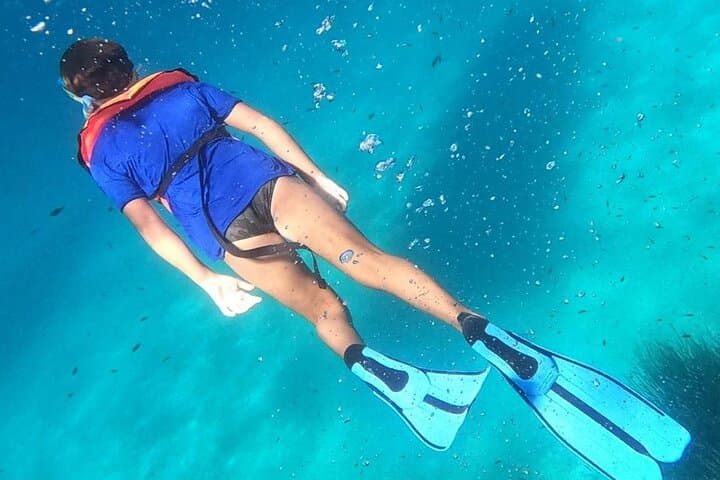
Expect a guided 3–4 hour outing that balances observation protocols with snorkeling stops: the operator will keep distance during sightings, then anchor in sheltered coves for swims. Practical prep pays off — bring reef-safe sunscreen, a tight neoprene or rashguard for choppy water, and a good mask to maximize visibility. Swimming ability matters more than extremes of fitness; operators supply snorkel gear and briefings, but calm seas allow more confident experience. Morning departures often mean flatter water and better light for spotting animals and underwater detail.
This is a low-impact, adventure-forward half-day on open water — bring water, motion-sickness prevention if needed, and a readiness to trade shore time for direct encounters with a living coastline.
easy.
3–4 hours.
Suitable for most people who can swim a short distance and board a small boat; no special endurance required.
The outing runs about 3–4 hours (210 minutes) including travel to sighting areas and time for snorkeling stops.
Dolphins are frequently sighted in the Capo Figari–Figarolo area, but wildlife sightings can’t be guaranteed; operators follow protocols to maximize safe viewing opportunities.
Yes — snorkeling gear is provided for use on board, though many travelers bring their own masks for fit and comfort.
Children over age 3 can participate, but infants must sit on laps; the trip isn’t recommended for very young children, pregnant guests, or those with serious back or heart problems.
Golfo Aranci evolved from a small fishing harbor into a ferry and recreational port; the northeastern Sardinian coast has long been shaped by maritime trade and local seafaring traditions.
Operators emphasize eco-sustainable viewing and education, and visitors are asked to avoid disturbing animals, use reef-safe products, and minimize plastic waste.
DST- Diving & Snorkelling Team Sardegna operates guided outdoor trips and adventures with an emphasis on safety, stewardship, and memorable experiences.
The boat slips free from Golfo Aranci and the shore eases away: wind lifts the salt, gulls wheel and the water glints a clear Mediterranean blue. Within minutes the coastline opens to Capo Figari and the small crescent of Figarolo Island; dolphins often appear ahead of the bow, arcing and clicking as if inviting you into their domain.
The boat slips free from Golfo Aranci and the shore eases away: wind lifts the salt, gulls wheel and the water glints a clear Mediterranean blue. Within minutes the coastline opens to Capo Figari and the small crescent of Figarolo Island; dolphins often appear ahead of the bow, arcing and clicking as if inviting you into their domain.
This stretch of Sardinian coast sits on ancient granite and schist, shaped by millennia of sea and sun. Fishermen and sailors have long read these currents — Golfo Aranci grew as a fishing and ferry harbor — and today small crews combine that local maritime knowledge with marine biology briefings to make sightings informative as well as exciting. Cala Greca and Cala Moresca present shallow reefs where Posidonia seagrass beds host small fish and sea urchins, while Figarolo’s rocky perimeter provides a favored corridor for dolphins hunting and socializing.
Expect a guided 3–4 hour outing that balances observation protocols with snorkeling stops: the operator will keep distance during sightings, then anchor in sheltered coves for swims. Practical prep pays off — bring reef-safe sunscreen, a tight neoprene or rashguard for choppy water, and a good mask to maximize visibility. Swimming ability matters more than extremes of fitness; operators supply snorkel gear and briefings, but calm seas allow more confident experience. Morning departures often mean flatter water and better light for spotting animals and underwater detail.
This is a low-impact, adventure-forward half-day on open water — bring water, motion-sickness prevention if needed, and a readiness to trade shore time for direct encounters with a living coastline.