THE ADVENTURE COLLECTIVE® · Independent discovery and booking for outdoor travel

Walk Fifth Avenue and trace the plans of America’s Gilded Age elites. In 90 minutes you’ll pass former Vanderbilt, Carnegie and Frick residences while learning how industry, geology and philanthropy reshaped Manhattan.
Walk Fifth Avenue and trace the plans of America’s Gilded Age elites. In 90 minutes you’ll pass former Vanderbilt, Carnegie and Frick residences while learning how industry, geology and philanthropy reshaped Manhattan.
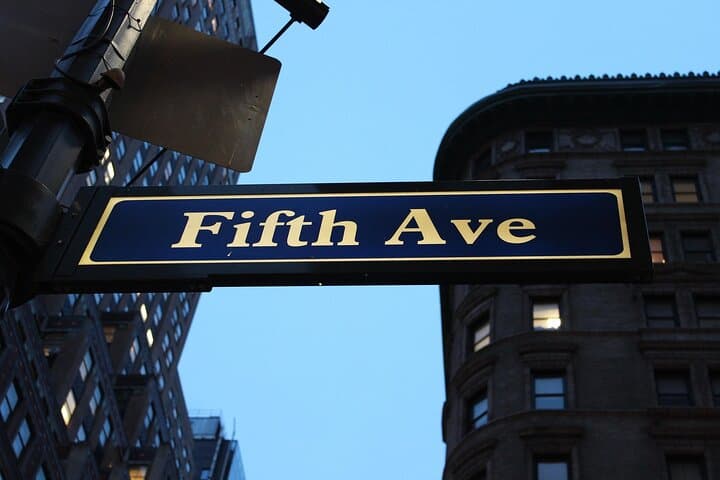
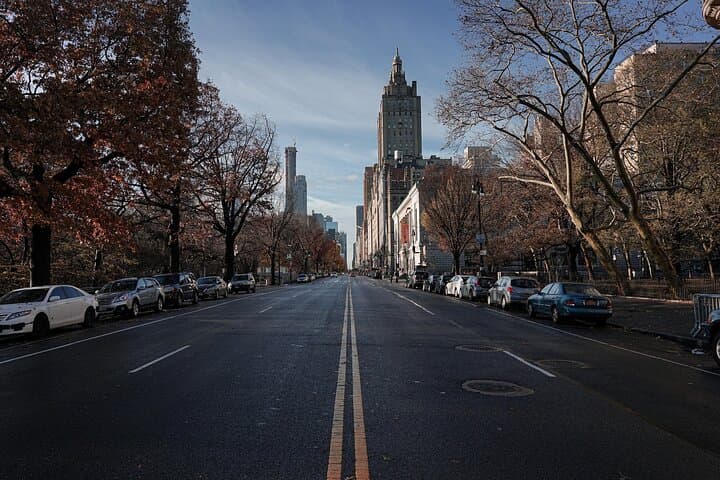
You step off the subway into a riot of horns and sky — Fifth Avenue rises like a ledger of ambition, its façades of limestone and brick calling out the lives once lived within. The tour begins at the southeast corner of Central Park (59th Street and Fifth Avenue); the guide raises a yellow flag, and the group moves northward beneath the city’s vertical canopies.
Verified experiences and guided adventures in the surrounding area.
Operated by Attractions4us LLC · New York, NY
You step off the subway into a riot of horns and sky — Fifth Avenue rises like a ledger of ambition, its façades of limestone and brick calling out the lives once lived within. The tour begins at the southeast corner of Central Park (59th Street and Fifth Avenue); the guide raises a yellow flag, and the group moves northward beneath the city’s vertical canopies.
The walk outlines New York’s Gilded Age: robber barons, industrial fortunes, and a wave of philanthropic reinvention. Along this stretch stood—and in a few cases still stand—mansions built by Vanderbilts, Carnegies and Fricks. The narrative is architectural and geological too; these houses are anchored on Manhattan schist, the bedrock that allows skyscrapers and heavy stone to coexist. Museums now occupy many former residences, converting private excess into public collections.
Cultural notes thread through the facades: immigrant labor that carved marble, philanthropic legacies that funded public institutions, and mid-century demolitions that remade the avenue into the commercial corridor it is today. Look for subtle ironwork, carved lintels, and corner plaques that mark original addresses; these are the neighborhood’s small archives.
Practically, the tour lasts about 90 minutes, is wheelchair- and stroller-accessible, and moves at an easy walking pace with frequent stops. Bring comfortable shoes, a water bottle, and a weather layer. Museums visited on the route (Cooper Hewitt, The Frick Collection exterior) require separate admission for interiors. Aim for a morning slot to avoid peak pedestrian traffic and to catch façades in favorable light. Photographs are welcome from the sidewalk; respect private entrances and posted signs.
easy.
1.5 hours.
Suitable for most fitness levels; requires standing and walking on flat urban sidewalks for up to 90 minutes.
Meet at the Main Entrance of Central Park at the southeast corner of 59th Street and Fifth Avenue; the guide will hold a yellow flag.
No—this tour focuses on exterior history and context; separate admission is required to enter museum interiors.
Yes—the route is wheelchair- and stroller-accessible with mostly flat sidewalks and curb cuts.
The tour may be canceled for severe weather; check your booking for the cancellation policy and rescheduling options.
In the late 19th century Fifth Avenue hosted concentrated private mansions of industrial magnates; many were later converted to museums or replaced by commercial development during the 20th century.
Several mansions have landmark protection and now function as museums, balancing public access with preservation; visitors should avoid touching façades and respect private property.
Attractions4us LLC operates guided outdoor trips and adventures with an emphasis on safety, stewardship, and memorable experiences.
You step off the subway into a riot of horns and sky — Fifth Avenue rises like a ledger of ambition, its façades of limestone and brick calling out the lives once lived within. The tour begins at the southeast corner of Central Park (59th Street and Fifth Avenue); the guide raises a yellow flag, and the group moves northward beneath the city’s vertical canopies.
You step off the subway into a riot of horns and sky — Fifth Avenue rises like a ledger of ambition, its façades of limestone and brick calling out the lives once lived within. The tour begins at the southeast corner of Central Park (59th Street and Fifth Avenue); the guide raises a yellow flag, and the group moves northward beneath the city’s vertical canopies.
The walk outlines New York’s Gilded Age: robber barons, industrial fortunes, and a wave of philanthropic reinvention. Along this stretch stood—and in a few cases still stand—mansions built by Vanderbilts, Carnegies and Fricks. The narrative is architectural and geological too; these houses are anchored on Manhattan schist, the bedrock that allows skyscrapers and heavy stone to coexist. Museums now occupy many former residences, converting private excess into public collections.
Cultural notes thread through the facades: immigrant labor that carved marble, philanthropic legacies that funded public institutions, and mid-century demolitions that remade the avenue into the commercial corridor it is today. Look for subtle ironwork, carved lintels, and corner plaques that mark original addresses; these are the neighborhood’s small archives.
Practically, the tour lasts about 90 minutes, is wheelchair- and stroller-accessible, and moves at an easy walking pace with frequent stops. Bring comfortable shoes, a water bottle, and a weather layer. Museums visited on the route (Cooper Hewitt, The Frick Collection exterior) require separate admission for interiors. Aim for a morning slot to avoid peak pedestrian traffic and to catch façades in favorable light. Photographs are welcome from the sidewalk; respect private entrances and posted signs.