THE ADVENTURE COLLECTIVE® · Independent discovery and booking for outdoor travel

Walk a compact mile of Fifth Avenue and watch New York’s Gilded Age come to life through carved stone, discreet plaques and carefully preserved façades. This two-hour tour focuses on exterior architecture and the stories of the families who shaped the Upper East Side.
Walk a compact mile of Fifth Avenue and watch New York’s Gilded Age come to life through carved stone, discreet plaques and carefully preserved façades. This two-hour tour focuses on exterior architecture and the stories of the families who shaped the Upper East Side.
The city hushes into a walking pace as you step onto Fifth Avenue at East 70th Street: stone cornices loom above, bronze lamps catch the sun, and the boulevard seems to wear its past like an overcoat. Guides point out carved keystones and discreet plaques; the avenue itself becomes an actor, nudging you past the Frick, the Duke House, and the Sinclair mansion.
Verified experiences and guided adventures in the surrounding area.
Operated by Bowery Boys Walking Tours · New York, NY
The city hushes into a walking pace as you step onto Fifth Avenue at East 70th Street: stone cornices loom above, bronze lamps catch the sun, and the boulevard seems to wear its past like an overcoat. Guides point out carved keystones and discreet plaques; the avenue itself becomes an actor, nudging you past the Frick, the Duke House, and the Sinclair mansion.
These blocks tell the story of America’s Gilded Age — late 19th- and early 20th-century fortunes built by railroads, steel and oil. Architects borrowed from French châteaus and Italian palazzi, blanketing Manhattan with heavy stone façades and ornamental interiors (many now museums or institutional offices). The geology beneath your feet is the same Manhattan schist that allowed these heavy, ornate homes to rise; culturally, the avenue maps the social ambition of an era when architecture signaled power.
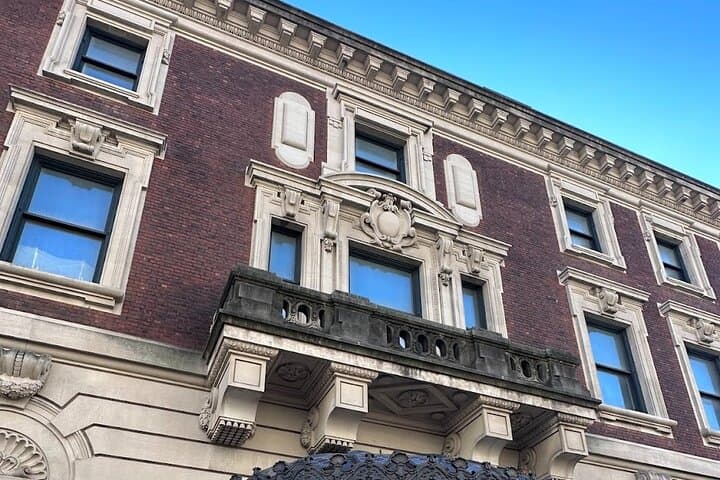
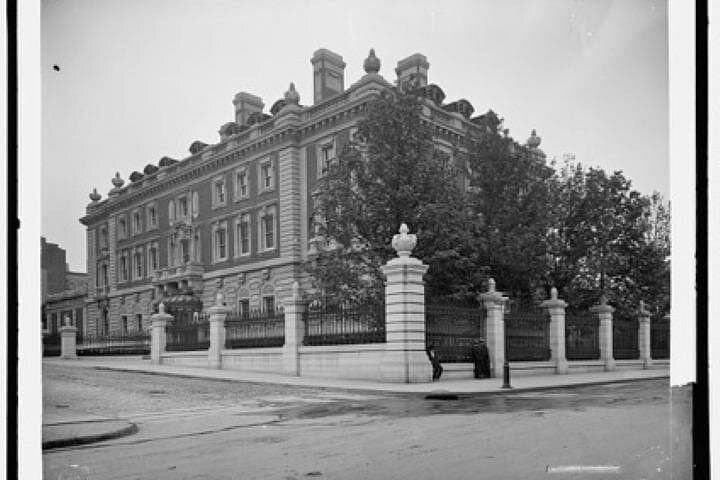
Expect close-up looks at exterior details, anecdotes about the Frick and Carnegie, and the social contrasts that reshaped the Upper East Side. The route covers roughly one mile over about two hours, paced for observation rather than speed, with plenty of stops for stories and photographs.
Practical guidance: wear comfortable walking shoes and bring a refillable water bottle; much of the tour is sidewalk and standing. Public transit options are abundant — subway and bus stops sit a short walk away — and the tour is wheelchair accessible, though some sidewalks are narrow. Morning or late-afternoon departures avoid the busier midday crowds and give softer light for façades. Respect private property: the experience is viewing exteriors and listening to context, not entering private homes.
easy.
2 hours.
Lightly active — able to walk a mile and stand during multiple stops; suitable for most adults and children 8+
No — this tour focuses on exterior architecture and history; entrances are not included.
Yes, the route is generally wheelchair accessible but some sidewalks can be narrow; contact the operator for accessibility details.
The route is about one mile covered over two hours with frequent stops for commentary and photos at each mansion.
Children over age 8 are welcome; the content is family-friendly but involves standing and sustained attention.
The mansions were built during the late 1800s–early 1900s when industrial wealth funded grand private homes; many later became museums or institutional buildings.
Preservation efforts focus on maintaining historic façades and street-level character; observe signage and avoid touching decorative stonework to help conserve these buildings.
Bowery Boys Walking Tours operates guided outdoor trips and adventures with an emphasis on safety, stewardship, and memorable experiences.
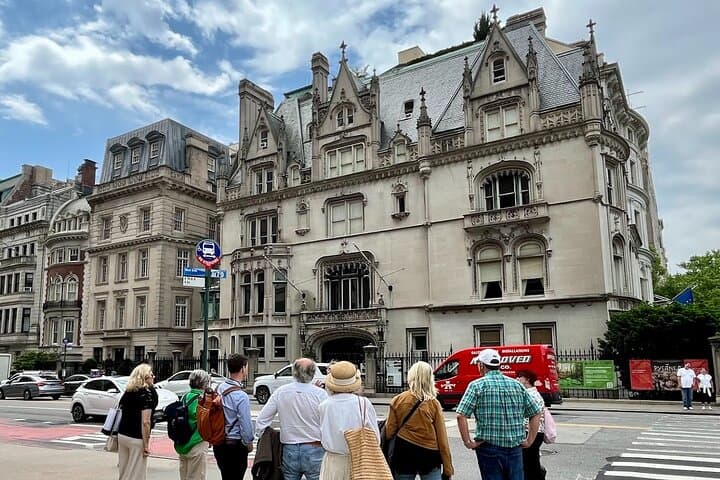
The city hushes into a walking pace as you step onto Fifth Avenue at East 70th Street: stone cornices loom above, bronze lamps catch the sun, and the boulevard seems to wear its past like an overcoat. Guides point out carved keystones and discreet plaques; the avenue itself becomes an actor, nudging you past the Frick, the Duke House, and the Sinclair mansion.
The city hushes into a walking pace as you step onto Fifth Avenue at East 70th Street: stone cornices loom above, bronze lamps catch the sun, and the boulevard seems to wear its past like an overcoat. Guides point out carved keystones and discreet plaques; the avenue itself becomes an actor, nudging you past the Frick, the Duke House, and the Sinclair mansion.
These blocks tell the story of America’s Gilded Age — late 19th- and early 20th-century fortunes built by railroads, steel and oil. Architects borrowed from French châteaus and Italian palazzi, blanketing Manhattan with heavy stone façades and ornamental interiors (many now museums or institutional offices). The geology beneath your feet is the same Manhattan schist that allowed these heavy, ornate homes to rise; culturally, the avenue maps the social ambition of an era when architecture signaled power.
Expect close-up looks at exterior details, anecdotes about the Frick and Carnegie, and the social contrasts that reshaped the Upper East Side. The route covers roughly one mile over about two hours, paced for observation rather than speed, with plenty of stops for stories and photographs.
Practical guidance: wear comfortable walking shoes and bring a refillable water bottle; much of the tour is sidewalk and standing. Public transit options are abundant — subway and bus stops sit a short walk away — and the tour is wheelchair accessible, though some sidewalks are narrow. Morning or late-afternoon departures avoid the busier midday crowds and give softer light for façades. Respect private property: the experience is viewing exteriors and listening to context, not entering private homes.