THE ADVENTURE COLLECTIVE® · Independent discovery and booking for outdoor travel

Walk beneath SUE’s skull, wander a recreated Egyptian tomb, and trace gemstones from mine to museum. This practical Field Museum guide tells you what to see, how long to stay, and how to make the most of your visit.
Walk beneath SUE’s skull, wander a recreated Egyptian tomb, and trace gemstones from mine to museum. This practical Field Museum guide tells you what to see, how long to stay, and how to make the most of your visit.
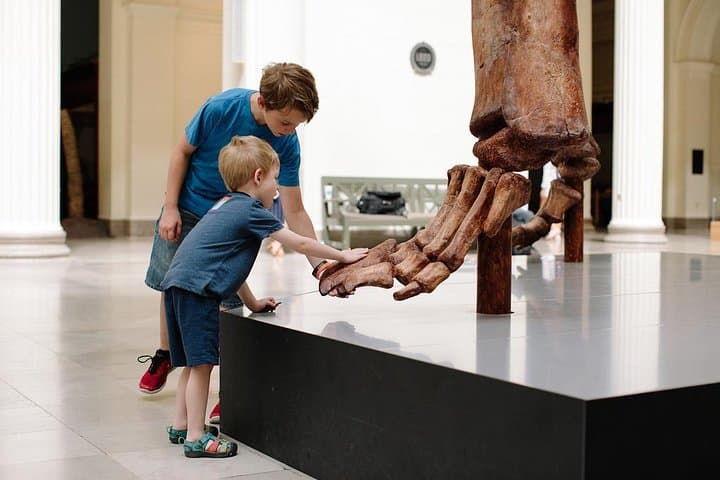
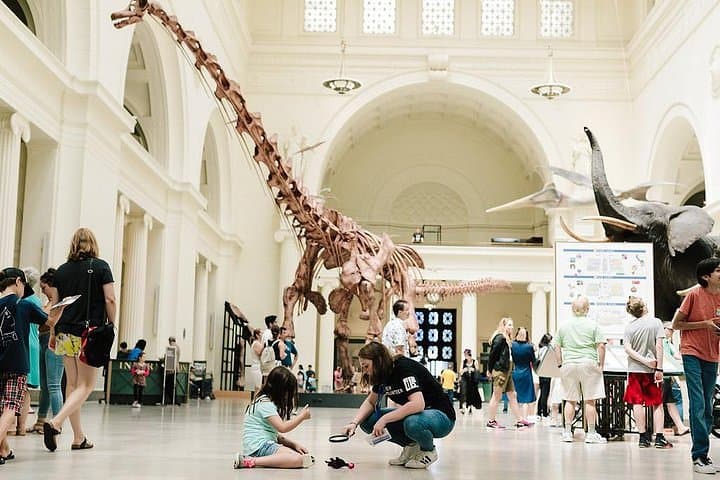
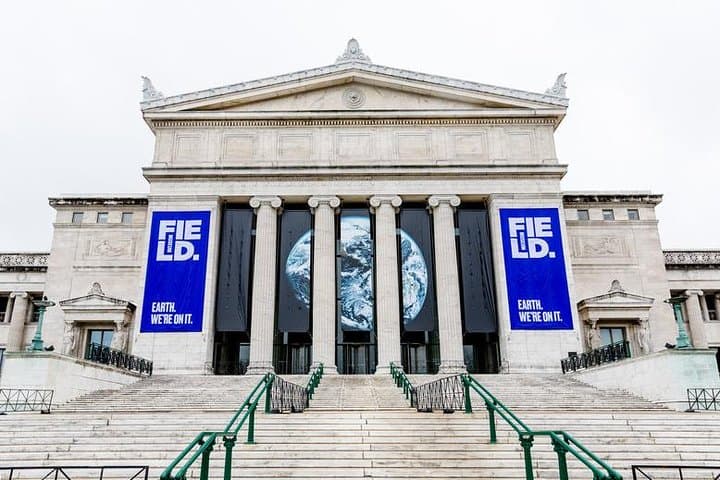
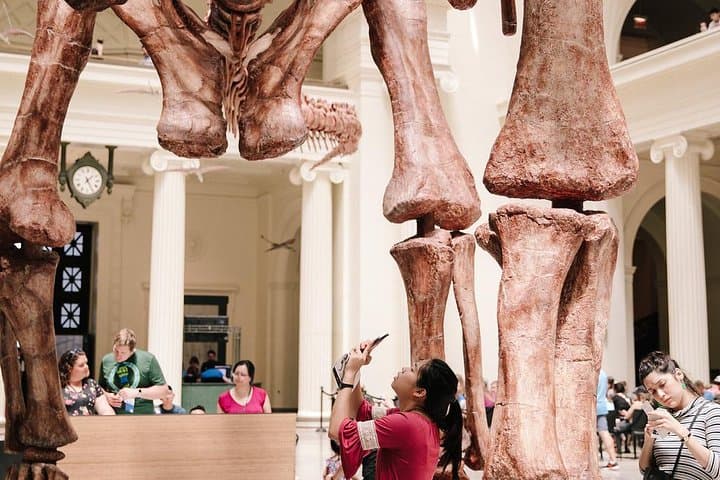
You step from the Museum Campus plaza into a cool, echoing hall where fossilized bones and polished gemstones keep their own quiet watch. Lake Michigan presses a brisk breeze against the limestone façade; inside, air-conditioned galleries lay out 4.5 billion years of Earth and human history with clear, purposeful displays.
Verified experiences and guided adventures in the surrounding area.
Operated by Field Museum - Chicago · Chicago, Illinois
You step from the Museum Campus plaza into a cool, echoing hall where fossilized bones and polished gemstones keep their own quiet watch. Lake Michigan presses a brisk breeze against the limestone façade; inside, air-conditioned galleries lay out 4.5 billion years of Earth and human history with clear, purposeful displays.
Founded after the 1893 World’s Columbian Exposition and later named for philanthropist Marshall Field, this museum grew from a civic collection into a global research institution. Geology and paleontology collide in Evolving Planet—giant sloths, woolly mammoths and SUE, the most complete T. rex on record—while Hall of Jades and the new Hall of Gems trace mineral stories from deep time to modern craft. Cultural galleries range from a reconstructed Egyptian tomb holding 23 mummies to sweeping installations on the Ancient Americas.
Expect a balance of hands-on interactives and cabinet-style displays: Underground Adventure shrinks you to explore subterranean ecology; docent-led tours add curatorial context. The campus location gives you quick skyline views and access to nearby Shedd Aquarium and Adler Planetarium if you’re planning a day of museum-hopping.
Practical guidance: reserve at least 3–4 hours, arrive early to avoid peak entry and secure a slot for ticketed shows, and pick up a map in your language of choice. Wear comfortable walking shoes, carry a refillable bottle (water stations available), and allow extra time for special exhibitions and gift-shop lines. Wheelchair and stroller access is comprehensive; service animals are permitted. With basic planning you’ll leave informed, a little raw about deep time, and ready for a lakeside walk.
easy.
3–4 hours.
Light walking and standing for several hours; suitable for most fitness levels.
Plan 3–4 hours to cover the main halls; 5+ hours if you want to include all special exhibitions and theaters.
General admission uses mobile or paper tickets exchanged at Will Call; 3D movies and some exhibits may require separate or timed reservations.
Yes—all public areas are wheelchair and stroller accessible, with services and maps available in multiple languages.
Eating and drinking are restricted to dining areas; bottled water is okay in galleries but meals should be taken in designated cafés.
The Field Museum originated from the 1893 World’s Columbian Exposition collections and was later endowed by Marshall Field; it has since become a leading center for natural history research.
The museum’s research supports biodiversity and paleontological conservation; exhibits and programs emphasize specimen-based science and responsible stewardship.
Field Museum - Chicago operates guided outdoor trips and adventures with an emphasis on safety, stewardship, and memorable experiences.
You step from the Museum Campus plaza into a cool, echoing hall where fossilized bones and polished gemstones keep their own quiet watch. Lake Michigan presses a brisk breeze against the limestone façade; inside, air-conditioned galleries lay out 4.5 billion years of Earth and human history with clear, purposeful displays.
You step from the Museum Campus plaza into a cool, echoing hall where fossilized bones and polished gemstones keep their own quiet watch. Lake Michigan presses a brisk breeze against the limestone façade; inside, air-conditioned galleries lay out 4.5 billion years of Earth and human history with clear, purposeful displays.
Founded after the 1893 World’s Columbian Exposition and later named for philanthropist Marshall Field, this museum grew from a civic collection into a global research institution. Geology and paleontology collide in Evolving Planet—giant sloths, woolly mammoths and SUE, the most complete T. rex on record—while Hall of Jades and the new Hall of Gems trace mineral stories from deep time to modern craft. Cultural galleries range from a reconstructed Egyptian tomb holding 23 mummies to sweeping installations on the Ancient Americas.
Expect a balance of hands-on interactives and cabinet-style displays: Underground Adventure shrinks you to explore subterranean ecology; docent-led tours add curatorial context. The campus location gives you quick skyline views and access to nearby Shedd Aquarium and Adler Planetarium if you’re planning a day of museum-hopping.
Practical guidance: reserve at least 3–4 hours, arrive early to avoid peak entry and secure a slot for ticketed shows, and pick up a map in your language of choice. Wear comfortable walking shoes, carry a refillable bottle (water stations available), and allow extra time for special exhibitions and gift-shop lines. Wheelchair and stroller access is comprehensive; service animals are permitted. With basic planning you’ll leave informed, a little raw about deep time, and ready for a lakeside walk.