THE ADVENTURE COLLECTIVE® · Independent discovery and booking for outdoor travel

Explore Chicago’s Field Museum with an All-Access Pass covering ticketed exhibits, free docent tours, and the city’s premier natural history collections. Plan 2–4 hours to see highlights like SUE the T. rex, the Hall of Gems, and Evolving Planet.
Explore Chicago’s Field Museum with an All-Access Pass covering ticketed exhibits, free docent tours, and the city’s premier natural history collections. Plan 2–4 hours to see highlights like SUE the T. rex, the Hall of Gems, and Evolving Planet.
You step off the lakefront path and the Field Museum rises like a library of time, stone steps leading to a facade that opens into rooms of scale: a two-story titanosaur presides, fossils cast long shadows, and gems catch the light like small planets.
Verified experiences and guided adventures in the surrounding area.
Operated by Field Museum - Chicago · Chicago, Illinois
You step off the lakefront path and the Field Museum rises like a library of time, stone steps leading to a facade that opens into rooms of scale: a two-story titanosaur presides, fossils cast long shadows, and gems catch the light like small planets.
Founded after the 1893 World’s Columbian Exposition and renamed for Marshall Field, the museum holds 26 million specimens that map deep time, human cultures, and Earth’s materials. In Evolving Planet the bones speak of shifting climates and lost seas; the Hall of Gems and Hall of Jades trace geology’s patient alchemy. Exhibits balance research-grade specimens with accessible narratives—docent tours sharpen context and point to stories often overlooked, such as the museum’s role in archaeological collecting and evolving ethical standards for repatriation.
Practical side: the All-Access Pass covers all ticketed exhibits and free docent tours, but special features like the 3D movie are extra and sometimes sell out. The museum is open roughly 9am–5pm with last general-admission entry around 4pm and special-exhibit cutoff earlier. Allow 2–4 hours for core halls; a full deep-dive can easily fill a day. Accessibility is strong—wide ramps and elevators—but expect crowds on weekends and holidays. Bring comfortable shoes, a reusable water bottle, and an external battery for photos; plan to redeem mobile vouchers at Will Call on arrival. Whether you’re after paleontology, cultural history, or mineralogy, the Field makes long timelines feel immediate and oddly personal.
easy.
1–6 hours.
Suitable for all fitness levels; involves walking and standing for extended periods
Plan 2–4 hours for main highlights; 4–6+ hours if you want to see everything at a relaxed pace.
Yes—most areas, surfaces, and transportation options are wheelchair accessible; Guest Relations can assist with services.
The All-Access Pass grants entry to ticketed exhibits, but some special experiences (like the 3D movie) have separate reservations or limited capacity.
Yes—strollers are allowed and lockers are limited; large items may be subject to security screening.
Founded after Chicago’s 1893 World’s Fair and renamed in 1905 for donor Marshall Field, the museum has grown into a global research institution.
The Field supports conservation research and public education; visitors help by following exhibit rules, minimizing flash photography, and respecting artifact signage.
Field Museum - Chicago operates guided outdoor trips and adventures with an emphasis on safety, stewardship, and memorable experiences.
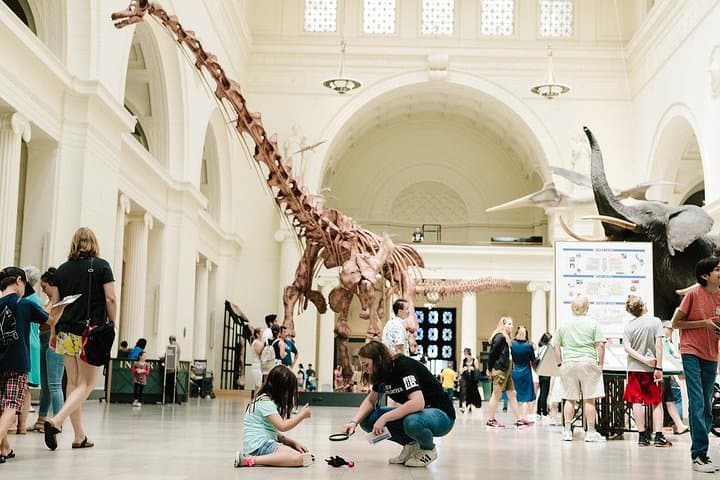
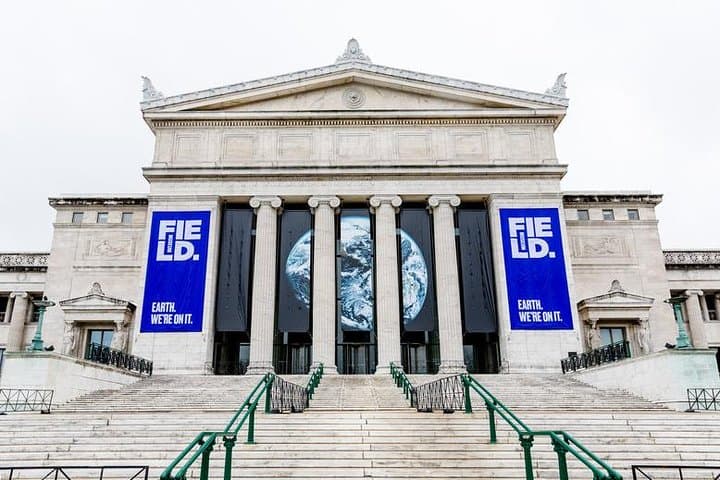
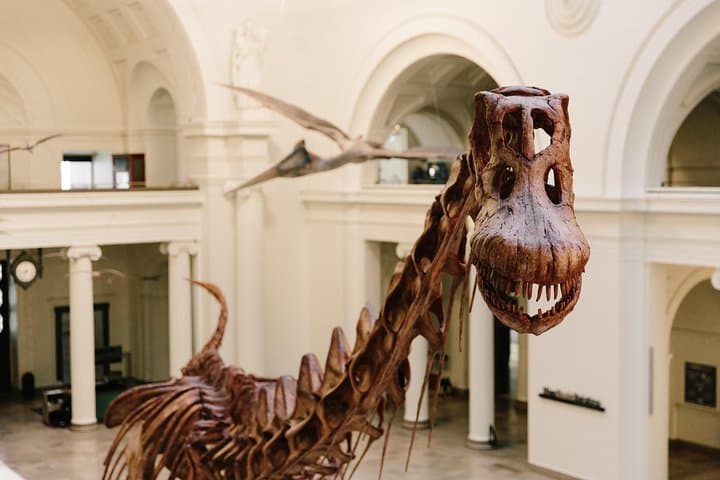
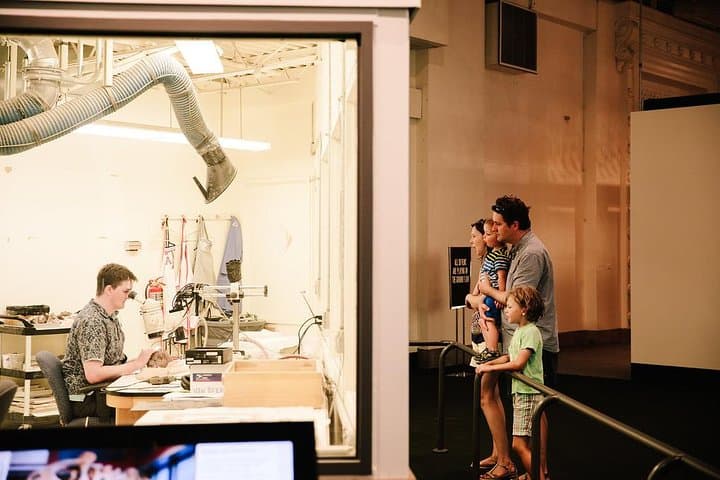
You step off the lakefront path and the Field Museum rises like a library of time, stone steps leading to a facade that opens into rooms of scale: a two-story titanosaur presides, fossils cast long shadows, and gems catch the light like small planets.
You step off the lakefront path and the Field Museum rises like a library of time, stone steps leading to a facade that opens into rooms of scale: a two-story titanosaur presides, fossils cast long shadows, and gems catch the light like small planets.
Founded after the 1893 World’s Columbian Exposition and renamed for Marshall Field, the museum holds 26 million specimens that map deep time, human cultures, and Earth’s materials. In Evolving Planet the bones speak of shifting climates and lost seas; the Hall of Gems and Hall of Jades trace geology’s patient alchemy. Exhibits balance research-grade specimens with accessible narratives—docent tours sharpen context and point to stories often overlooked, such as the museum’s role in archaeological collecting and evolving ethical standards for repatriation.
Practical side: the All-Access Pass covers all ticketed exhibits and free docent tours, but special features like the 3D movie are extra and sometimes sell out. The museum is open roughly 9am–5pm with last general-admission entry around 4pm and special-exhibit cutoff earlier. Allow 2–4 hours for core halls; a full deep-dive can easily fill a day. Accessibility is strong—wide ramps and elevators—but expect crowds on weekends and holidays. Bring comfortable shoes, a reusable water bottle, and an external battery for photos; plan to redeem mobile vouchers at Will Call on arrival. Whether you’re after paleontology, cultural history, or mineralogy, the Field makes long timelines feel immediate and oddly personal.