THE ADVENTURE COLLECTIVE® · Independent discovery and booking for outdoor travel

Step through the Blue Gate into Fez’s medieval medina on a private 3.5-hour walking tour that visits madrasas, dye pits, and the ancient university. This guided route pairs living craft traditions with rooftop views and practical local know-how.
Step through the Blue Gate into Fez’s medieval medina on a private 3.5-hour walking tour that visits madrasas, dye pits, and the ancient university. This guided route pairs living craft traditions with rooftop views and practical local know-how.
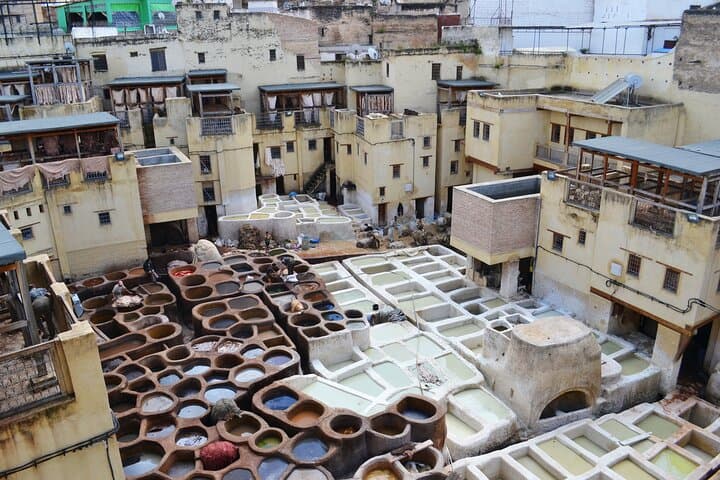
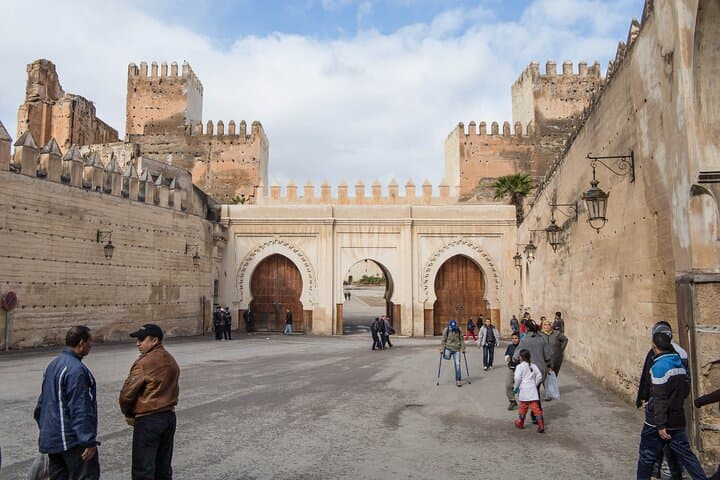
You pass under the Blue Gate and the medina swallows the street behind you: alleyways fold into one another, the air carries citrus, spices and the tannery’s bitter dye like an insistence. Craftspeople interrupt their work to watch as your guide scores another narrow passage on the worn map of the old city. Fez moves in tight, deliberate rhythms — a living medieval quarter where courtyards breathe cool air and rooftop terraces cut panoramas over clay-colored roofs.
Verified experiences and guided adventures in the surrounding area.
Operated by Snurk.Travel · Fez, Fès-Meknès
You pass under the Blue Gate and the medina swallows the street behind you: alleyways fold into one another, the air carries citrus, spices and the tannery’s bitter dye like an insistence. Craftspeople interrupt their work to watch as your guide scores another narrow passage on the worn map of the old city. Fez moves in tight, deliberate rhythms — a living medieval quarter where courtyards breathe cool air and rooftop terraces cut panoramas over clay-colored roofs.
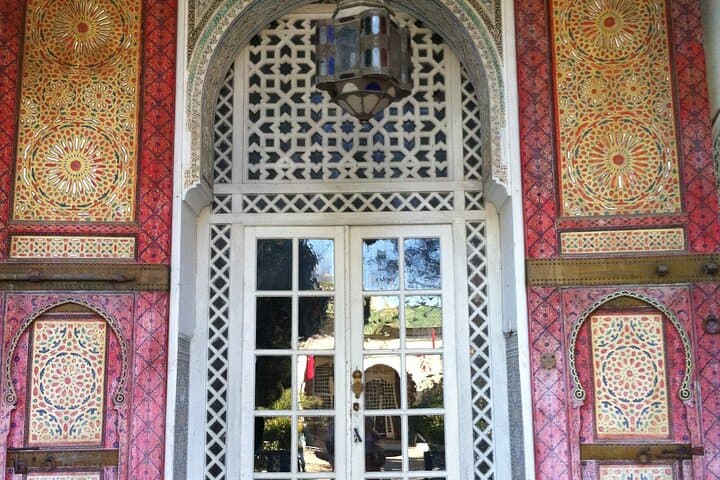
Founded in the 9th century, Fez is one of Morocco’s oldest imperial cities; its skyline is dominated by minarets and the low ridgeline of the Merenid tombs. The medina preserves urban patterns that predate modern planning: caravanserais, madrasas such as Bou Inania and Al-Attarine, and the world’s oldest operating university, Al-Qarawiyyin, whose library holds manuscripts that map centuries of learning.
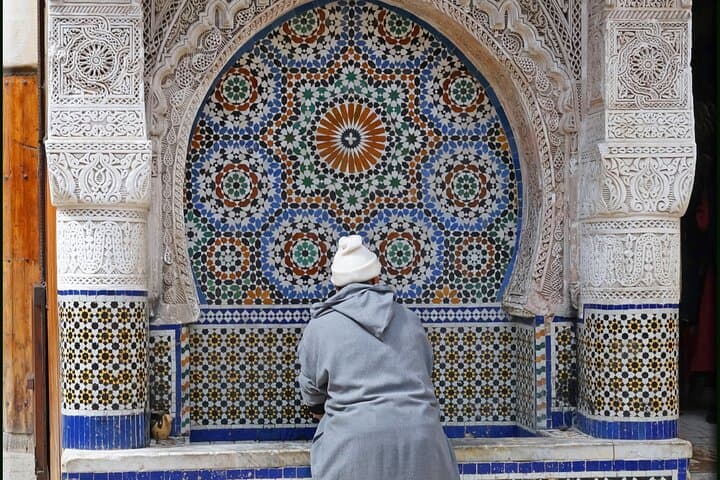
Geology plays a quiet part — Fez sits on the Saïss plain with the Rif foothills gathering rain that pushes the Oued Fes through the city, shaping neighborhoods and the location of tannery pits. Culturally, the medina is a workshop: wood carvers, dyers and metalworkers practice techniques passed through generations, visible in the mosaic fountain at Nejjarine.
Practical guidance: this private 3.5-hour walk covers tight, uneven streets — wear sturdy shoes and bring water. Morning light softens the colors at the dye pits and rooftop cafés provide the best photo angles; late afternoon brings cooler air and fewer crowds. Restroom stops are limited in the heart of the medina, so plan accordingly. A local guide helps navigate permissions and bargaining, and extending to 5.5 hours lets you explore hidden courtyards and quiet artisan studios.
easy.
3–4 hours.
Suitable for all fitness levels; requires the ability to walk and stand on uneven surfaces for several hours.
Yes — it’s rated easy and the pace can be adjusted, but expect tight streets and sections without seating; notify the operator of mobility needs.
Some historic sites require tickets or have limited access; your guide can advise which entrances require fees or reservation.
You can photograph most scenes, but always ask artisans first and avoid using drones or tripods in crowded lanes.
Private tours typically offer guides in multiple languages; confirm during booking and note any special requests.
Fez was founded in the 9th century and became a center of Islamic learning; Al-Qarawiyyin, founded in 859, remains a landmark of scholarly tradition.
The medina’s fabric is fragile: support small artisans directly, avoid buying untreated animal products as souvenirs, and minimize plastic waste to lessen tourism impacts.
Snurk.Travel operates guided outdoor trips and adventures with an emphasis on safety, stewardship, and memorable experiences.
You pass under the Blue Gate and the medina swallows the street behind you: alleyways fold into one another, the air carries citrus, spices and the tannery’s bitter dye like an insistence. Craftspeople interrupt their work to watch as your guide scores another narrow passage on the worn map of the old city. Fez moves in tight, deliberate rhythms — a living medieval quarter where courtyards breathe cool air and rooftop terraces cut panoramas over clay-colored roofs.
You pass under the Blue Gate and the medina swallows the street behind you: alleyways fold into one another, the air carries citrus, spices and the tannery’s bitter dye like an insistence. Craftspeople interrupt their work to watch as your guide scores another narrow passage on the worn map of the old city. Fez moves in tight, deliberate rhythms — a living medieval quarter where courtyards breathe cool air and rooftop terraces cut panoramas over clay-colored roofs.
Founded in the 9th century, Fez is one of Morocco’s oldest imperial cities; its skyline is dominated by minarets and the low ridgeline of the Merenid tombs. The medina preserves urban patterns that predate modern planning: caravanserais, madrasas such as Bou Inania and Al-Attarine, and the world’s oldest operating university, Al-Qarawiyyin, whose library holds manuscripts that map centuries of learning.
Geology plays a quiet part — Fez sits on the Saïss plain with the Rif foothills gathering rain that pushes the Oued Fes through the city, shaping neighborhoods and the location of tannery pits. Culturally, the medina is a workshop: wood carvers, dyers and metalworkers practice techniques passed through generations, visible in the mosaic fountain at Nejjarine.
Practical guidance: this private 3.5-hour walk covers tight, uneven streets — wear sturdy shoes and bring water. Morning light softens the colors at the dye pits and rooftop cafés provide the best photo angles; late afternoon brings cooler air and fewer crowds. Restroom stops are limited in the heart of the medina, so plan accordingly. A local guide helps navigate permissions and bargaining, and extending to 5.5 hours lets you explore hidden courtyards and quiet artisan studios.