THE ADVENTURE COLLECTIVE® · Independent discovery and booking for outdoor travel

A full‑day loop from Fez into the Middle Atlas visiting Lake Dait Aoua, Ifrane’s alpine streets, cedar forests and Azrou’s Berber village. Expect short guided walks, wildlife viewing with Barbary macaques, and scenic stops suited to travelers of most fitness levels.
A full‑day loop from Fez into the Middle Atlas visiting Lake Dait Aoua, Ifrane’s alpine streets, cedar forests and Azrou’s Berber village. Expect short guided walks, wildlife viewing with Barbary macaques, and scenic stops suited to travelers of most fitness levels.
You leave Fez before the city fully wakes, the road unspooling toward a cooler light where the Middle Atlas rises like an inland coast. Pines and cedar trunks lean over the highway; small villages appear as staccato notes. By midmorning you’re at Lake Dait Aoua’s glassy edge and later walking the shaded tracks that thread through old cedar stands where monkeys appear as curious silhouettes.
Verified experiences and guided adventures in the surrounding area.
Operated by Luxury Fes Tours · Ifrane, Fès-Meknès
You leave Fez before the city fully wakes, the road unspooling toward a cooler light where the Middle Atlas rises like an inland coast. Pines and cedar trunks lean over the highway; small villages appear as staccato notes. By midmorning you’re at Lake Dait Aoua’s glassy edge and later walking the shaded tracks that thread through old cedar stands where monkeys appear as curious silhouettes.
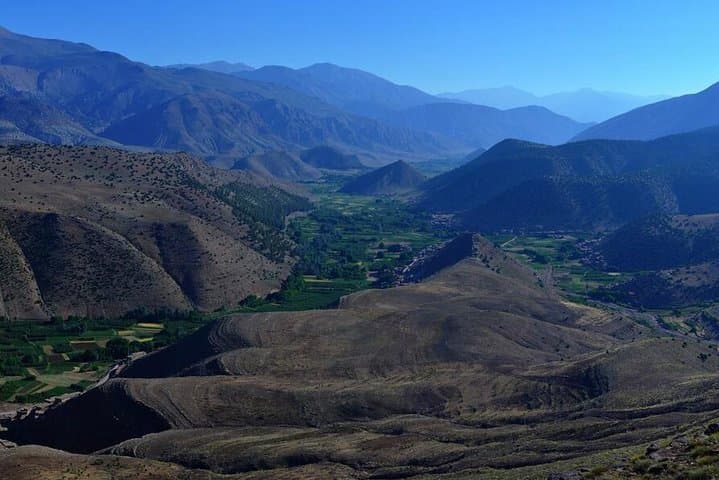
This landscape is young by geological standards — uplifted limestone and volcanic plateaus carved by winter snows and spring thaw. Ifrane’s tidy French‑era architecture, built in the 1930s, still reads like a European experiment in alpine planning, while Azrou retains Berber rhythms: flat-roof houses, woodwork markets and plainspoken hospitality.
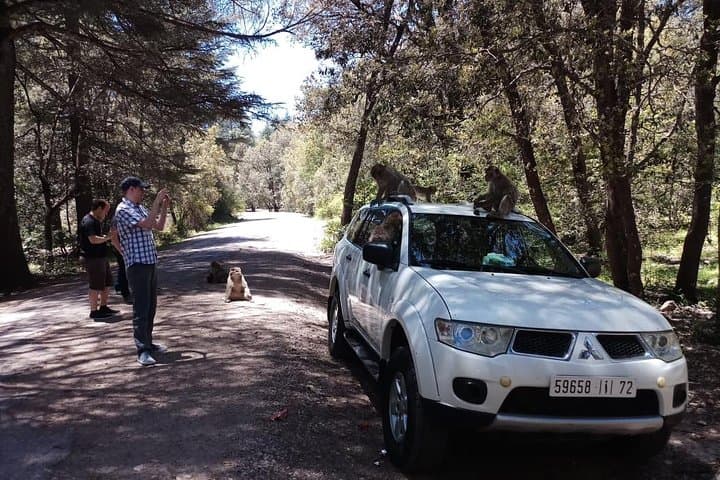
The Middle Atlas is also wildlife country. The national park protects extensive cedar and mixed forest that give cover to Barbary macaques; watch them from a distance and you’ll see the social life of the troop play out on branches and boulders. The air here is sharper; raptors quarter the slopes above.
Practical guidance: the day tour is a driving loop with short walks — expect multiple stops of 15–45 minutes. Bring water, sun protection, and layers—the temperature can drop fast inside the forest. Keep a moderate zoom for photos; binoculars help for shy wildlife. Cash is useful in Azrou for local crafts and snacks.
Timing matters: mornings are quieter for wildlife and afternoon light flatters the cedar trunks. Respect local customs: modest dress in villages and no feeding or chasing wildlife. The trip is a compact way to add highland scenery and living wildlife to a Fez itinerary without overnight planning.
easy.
6–7 hours.
Suitable for most fitness levels; requires short, easy walks and getting in and out of a vehicle.
The tour runs about 6 hours with hotel/riad pickup in Fez and returns the same day; exact pickup is confirmed at booking.
Monkeys are common in the cedar forest areas but sightings can’t be guaranteed—mornings increase the chance and animals may be shy or up in trees.
Yes; the itinerary involves mostly driving and short, easy walks. Infant seats and stroller accessibility are noted, but check mobility needs with the operator.
Carry some Moroccan dirham for small purchases in villages; larger vendors may accept cards but cash is more reliable.
Ifrane’s tidy, chalet‑style architecture dates to French colonial planning in the 1930s; nearby Berber villages preserve older building styles and local craft traditions.
The cedar forests are ecologically sensitive; avoid feeding wildlife, stick to trails, and follow guidance to reduce disturbance to macaques and birdlife.
Luxury Fes Tours operates guided outdoor trips and adventures with an emphasis on safety, stewardship, and memorable experiences.

You leave Fez before the city fully wakes, the road unspooling toward a cooler light where the Middle Atlas rises like an inland coast. Pines and cedar trunks lean over the highway; small villages appear as staccato notes. By midmorning you’re at Lake Dait Aoua’s glassy edge and later walking the shaded tracks that thread through old cedar stands where monkeys appear as curious silhouettes.
You leave Fez before the city fully wakes, the road unspooling toward a cooler light where the Middle Atlas rises like an inland coast. Pines and cedar trunks lean over the highway; small villages appear as staccato notes. By midmorning you’re at Lake Dait Aoua’s glassy edge and later walking the shaded tracks that thread through old cedar stands where monkeys appear as curious silhouettes.
This landscape is young by geological standards — uplifted limestone and volcanic plateaus carved by winter snows and spring thaw. Ifrane’s tidy French‑era architecture, built in the 1930s, still reads like a European experiment in alpine planning, while Azrou retains Berber rhythms: flat-roof houses, woodwork markets and plainspoken hospitality.
The Middle Atlas is also wildlife country. The national park protects extensive cedar and mixed forest that give cover to Barbary macaques; watch them from a distance and you’ll see the social life of the troop play out on branches and boulders. The air here is sharper; raptors quarter the slopes above.
Practical guidance: the day tour is a driving loop with short walks — expect multiple stops of 15–45 minutes. Bring water, sun protection, and layers—the temperature can drop fast inside the forest. Keep a moderate zoom for photos; binoculars help for shy wildlife. Cash is useful in Azrou for local crafts and snacks.
Timing matters: mornings are quieter for wildlife and afternoon light flatters the cedar trunks. Respect local customs: modest dress in villages and no feeding or chasing wildlife. The trip is a compact way to add highland scenery and living wildlife to a Fez itinerary without overnight planning.