THE ADVENTURE COLLECTIVE® · Independent discovery and booking for outdoor travel

A two-day road transfer that pairs practical transport with a full day in Chefchaouen’s blue medina. Expect mountain views, textile souks, cobbled alleys, and an easy-paced cultural stop between Fez and Tangier.
A two-day road transfer that pairs practical transport with a full day in Chefchaouen’s blue medina. Expect mountain views, textile souks, cobbled alleys, and an easy-paced cultural stop between Fez and Tangier.
You step out of a minivan as the Rif Mountains open like a living map—steep, scrubby slopes rising to cool air that pushes against your jacket. The blue-washed alleys of Chefchaouen sit half-hidden in a bowl of hills; sunlight picks out doors painted in every shade between sky and indigo, and the town’s breathing slows to the pace of café chatter and callused hands at looms.
Verified experiences and guided adventures in the surrounding area.
Operated by 3t Travel · Fez, Fes-Meknès
You step out of a minivan as the Rif Mountains open like a living map—steep, scrubby slopes rising to cool air that pushes against your jacket. The blue-washed alleys of Chefchaouen sit half-hidden in a bowl of hills; sunlight picks out doors painted in every shade between sky and indigo, and the town’s breathing slows to the pace of café chatter and callused hands at looms.
The route between Fez and Tangier crosses terrain shaped by folded limestone and the Rif’s rain-catchment ridges. Chefchaouen itself traces back to the 15th century, a border fortress that later attracted Andalusian refugees and a legacy of textile weaving—silk and wool still move through narrow market lanes today. Cultural notes: the city’s blue facades have multiple origin stories, including religious and practical reasons; the medina remains compact and largely pedestrian.
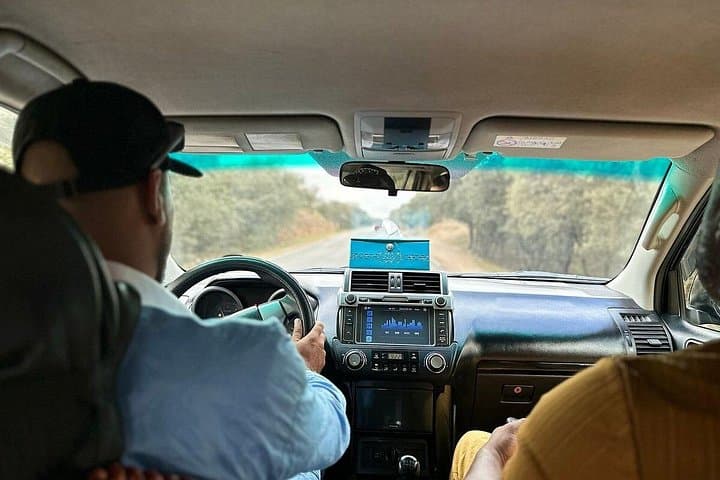
Practically, this is a transfer with time to explore: expect roughly 3–4 hours of driving broken by short viewpoints and a mid-day arrival in Chefchaouen, then another afternoon drive to Tangier on day two. Pavement is cobbled and uneven—comfortable walking shoes and steady footing help. Carry cash for small souks, and plan for tight stairways and narrow riads if you book independently.
Timing tips: arrive early for cooler light and quieter streets; late afternoon brings softer colors and fewer tour groups. Respect local customs in markets, support family-run weavers when you can, and pack a light rain layer—mountain weather can change fast.
moderate.
2 days (approx. 48 hours).
Moderate fitness: able to walk uneven cobbles and climb stairs, tolerate 3–4 hours of driving with short stops.
No; the tour provides transport and group transfers while you arrange and pay for your own riad or hotel night in Chefchaouen.
Pickup is arranged from your hotel or riad in Fez—confirm the exact pickup time and location when you book.
Yes—infants can travel but must sit on an adult’s lap; specialized infant seats are available on request.
You typically have an afternoon and part of the following morning to explore the medina, souks, and nearby viewpoints before the drive to Tangier.
Chefchaouen began as a 15th-century kasbah and later absorbed Andalusian refugees; its weaving traditions and compact medina reflect those layered histories.
Tourism pressures affect water and waste systems in the Rif; stick to marked paths, avoid single-use plastics, and favor local artisans to support sustainable livelihoods.
3t Travel operates guided outdoor trips and adventures with an emphasis on safety, stewardship, and memorable experiences.
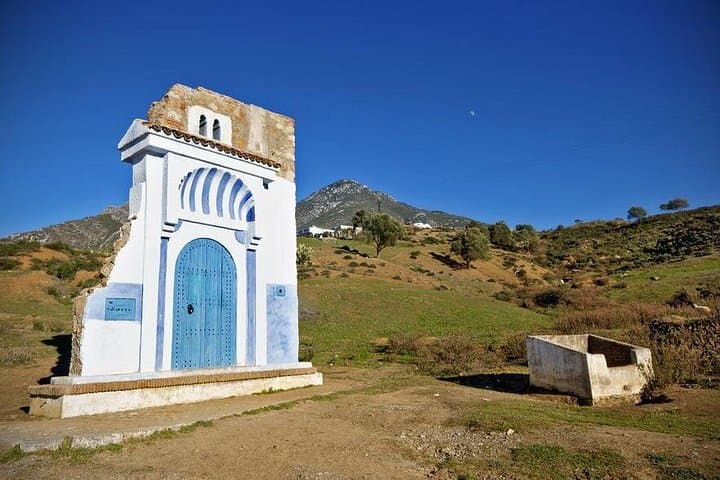
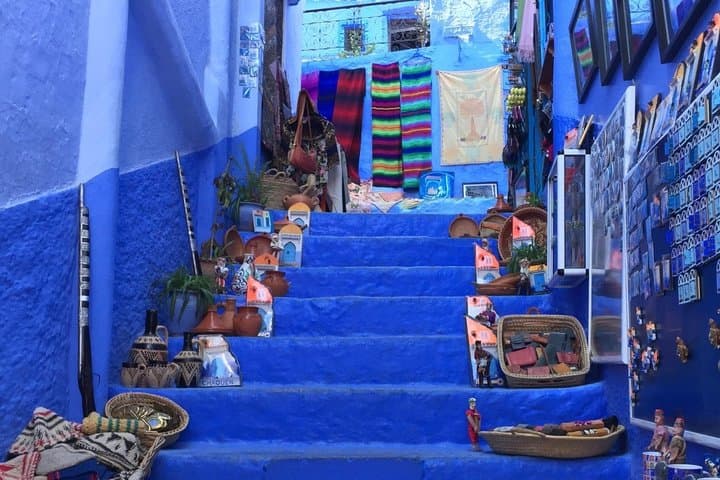
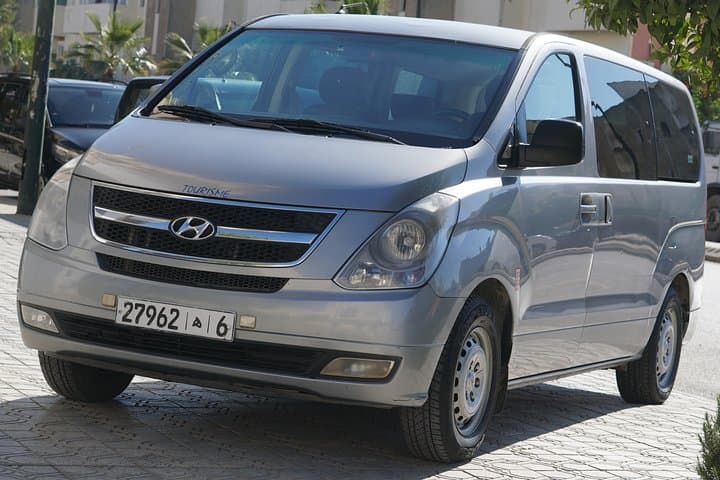
You step out of a minivan as the Rif Mountains open like a living map—steep, scrubby slopes rising to cool air that pushes against your jacket. The blue-washed alleys of Chefchaouen sit half-hidden in a bowl of hills; sunlight picks out doors painted in every shade between sky and indigo, and the town’s breathing slows to the pace of café chatter and callused hands at looms.
You step out of a minivan as the Rif Mountains open like a living map—steep, scrubby slopes rising to cool air that pushes against your jacket. The blue-washed alleys of Chefchaouen sit half-hidden in a bowl of hills; sunlight picks out doors painted in every shade between sky and indigo, and the town’s breathing slows to the pace of café chatter and callused hands at looms.
The route between Fez and Tangier crosses terrain shaped by folded limestone and the Rif’s rain-catchment ridges. Chefchaouen itself traces back to the 15th century, a border fortress that later attracted Andalusian refugees and a legacy of textile weaving—silk and wool still move through narrow market lanes today. Cultural notes: the city’s blue facades have multiple origin stories, including religious and practical reasons; the medina remains compact and largely pedestrian.
Practically, this is a transfer with time to explore: expect roughly 3–4 hours of driving broken by short viewpoints and a mid-day arrival in Chefchaouen, then another afternoon drive to Tangier on day two. Pavement is cobbled and uneven—comfortable walking shoes and steady footing help. Carry cash for small souks, and plan for tight stairways and narrow riads if you book independently.
Timing tips: arrive early for cooler light and quieter streets; late afternoon brings softer colors and fewer tour groups. Respect local customs in markets, support family-run weavers when you can, and pack a light rain layer—mountain weather can change fast.