THE ADVENTURE COLLECTIVE® · Independent discovery and booking for outdoor travel

Drive from Fez into the Middle Atlas for a day of riverside medinas, cave-dwellings, Alpine-style Ifrane and cedar forests home to Barbary macaques. This private 8-hour trip blends cultural stops with short walks and mountain scenery.
Drive from Fez into the Middle Atlas for a day of riverside medinas, cave-dwellings, Alpine-style Ifrane and cedar forests home to Barbary macaques. This private 8-hour trip blends cultural stops with short walks and mountain scenery.
A cool wind from the cedar groves meets the roads leaving Fez as the minarets recede in the rearview. Early on the drive the city’s ochre walls give way to terraced farms and pine-sprinkled slopes; the Middle Atlas rises ahead with white peaks often pinned with winter snow.
Verified experiences and guided adventures in the surrounding area.
Operated by Things To Do in Fez · Fez, Fès-Meknès
A cool wind from the cedar groves meets the roads leaving Fez as the minarets recede in the rearview. Early on the drive the city’s ochre walls give way to terraced farms and pine-sprinkled slopes; the Middle Atlas rises ahead with white peaks often pinned with winter snow.
Sefrou is the first stop: a small riverside medina where stone bridges set the rhythm between Arab, Amazigh and Jewish quarters. The town is known for its cherry festival—an annual celebration dating to the early 20th century—and a compact historic center with wooden balconies and market lanes.
Bhalil offers a different pace: cave houses and narrow alleys cut into limestone where residents once sheltered from extremes of mountain weather. The geology here is karstic, with small grottoes and rocky outcrops that have been adapted into homes.
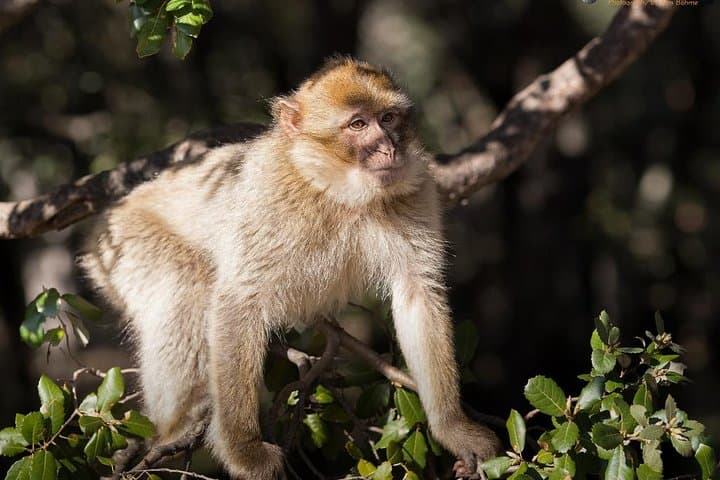
Ifrane, built in the 1930s with Alpine-style architecture, sits around 1,660 m elevation and feels like a clean, planned mountain town; it’s a useful acclimatization waypoint. The final stretch to Azrou threads cedar forests where the Barbary macaque is the most conspicuous resident.
Practical guidance: this is a full 8-hour outing with most time spent in an air-conditioned private vehicle and short walks at each stop. Expect paved drives between towns, uneven stone or dirt paths in villages, and 1–3 km of walking in total. Bring layered clothing for variable mountain sun and wind, sturdy shoes for cobbled alleys and cave steps, sunscreen, and a refillable bottle—the tour provides bottled water but refills are limited. Respect wildlife distance around macaques, and plan for flexible lunch timing at a local restaurant with views.
easy.
8 hours.
Suitable for travelers in average physical condition; mostly vehicle-based with short walks and some stairs.
The drive is roughly 60–75 km and typically takes about 1–1.5 hours depending on traffic and stops.
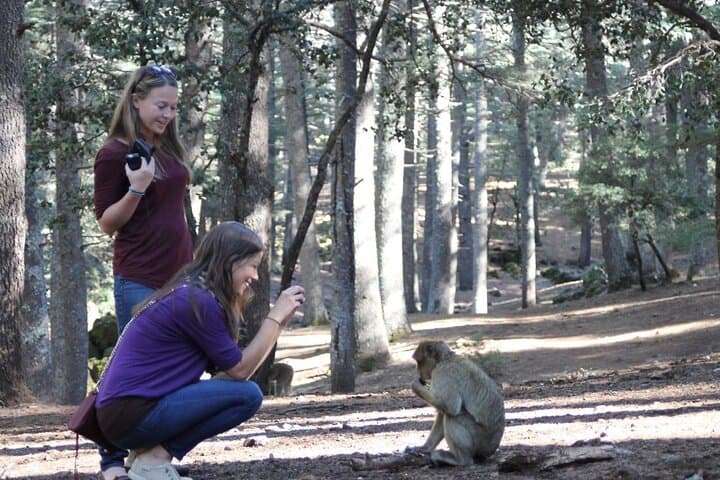
Yes—Azrou’s cedar forests host Barbary macaques that are often visible from viewpoints, but maintain distance and avoid feeding them.
Yes—the trip is vehicle-based with short, low-intensity walks; infant seats are available and the route is considered easy.
The tour lists a professional English-speaking driver; some local vendors may use French or Arabic.
The Middle Atlas has long been inhabited by Amazigh communities; Ifrane’s Alpine design dates to French colonial planning in the 1930s, while Sefrou’s cherry festival was established in the early 20th century.
Cedar forests are ecologically important and under pressure from overgrazing and logging; visitors should avoid leaving waste and keep to trails to limit impact.
Things To Do in Fez operates guided outdoor trips and adventures with an emphasis on safety, stewardship, and memorable experiences.
A cool wind from the cedar groves meets the roads leaving Fez as the minarets recede in the rearview. Early on the drive the city’s ochre walls give way to terraced farms and pine-sprinkled slopes; the Middle Atlas rises ahead with white peaks often pinned with winter snow.
A cool wind from the cedar groves meets the roads leaving Fez as the minarets recede in the rearview. Early on the drive the city’s ochre walls give way to terraced farms and pine-sprinkled slopes; the Middle Atlas rises ahead with white peaks often pinned with winter snow.
Sefrou is the first stop: a small riverside medina where stone bridges set the rhythm between Arab, Amazigh and Jewish quarters. The town is known for its cherry festival—an annual celebration dating to the early 20th century—and a compact historic center with wooden balconies and market lanes.
Bhalil offers a different pace: cave houses and narrow alleys cut into limestone where residents once sheltered from extremes of mountain weather. The geology here is karstic, with small grottoes and rocky outcrops that have been adapted into homes.
Ifrane, built in the 1930s with Alpine-style architecture, sits around 1,660 m elevation and feels like a clean, planned mountain town; it’s a useful acclimatization waypoint. The final stretch to Azrou threads cedar forests where the Barbary macaque is the most conspicuous resident.
Practical guidance: this is a full 8-hour outing with most time spent in an air-conditioned private vehicle and short walks at each stop. Expect paved drives between towns, uneven stone or dirt paths in villages, and 1–3 km of walking in total. Bring layered clothing for variable mountain sun and wind, sturdy shoes for cobbled alleys and cave steps, sunscreen, and a refillable bottle—the tour provides bottled water but refills are limited. Respect wildlife distance around macaques, and plan for flexible lunch timing at a local restaurant with views.