THE ADVENTURE COLLECTIVE® · Independent discovery and booking for outdoor travel

Escape Fez for a full-day drive into the Middle Atlas to walk cedar forests, spot Barbary macaques and visit Azrou and Ifrane. This one-day excursion mixes easy walks, cultural stops and cooler mountain air—ideal for travelers wanting a compact taste of Morocco’s highland life.
Escape Fez for a full-day drive into the Middle Atlas to walk cedar forests, spot Barbary macaques and visit Azrou and Ifrane. This one-day excursion mixes easy walks, cultural stops and cooler mountain air—ideal for travelers wanting a compact taste of Morocco’s highland life.
You leave Fez by mid-morning and the city’s heat falls away as the road climbs into the Atlas foothills. Pine-scented air and a cool breeze replace the medina’s dust; cedar trunks rise like columns and the road bends past pasture and stone villages. In Azrou you step into a living Berber village where carpet weavers and shepherds go about work that looks much as it did a century ago.
Verified experiences and guided adventures in the surrounding area.
Operated by Magical Desert tours · Azrou, Fès-Meknès
You leave Fez by mid-morning and the city’s heat falls away as the road climbs into the Atlas foothills. Pine-scented air and a cool breeze replace the medina’s dust; cedar trunks rise like columns and the road bends past pasture and stone villages. In Azrou you step into a living Berber village where carpet weavers and shepherds go about work that looks much as it did a century ago.
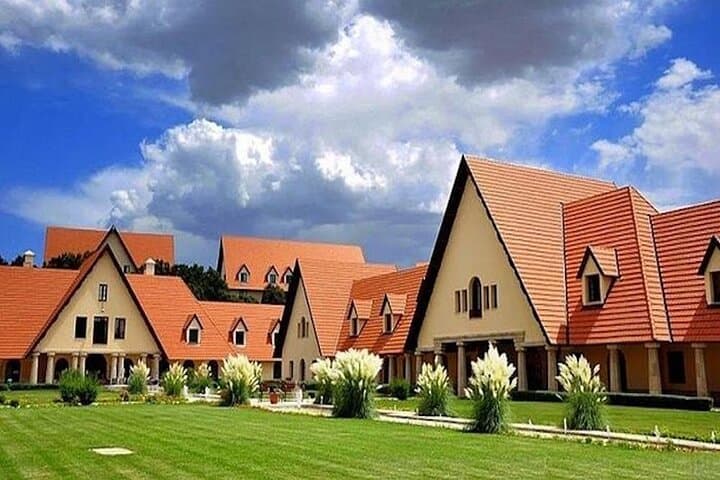
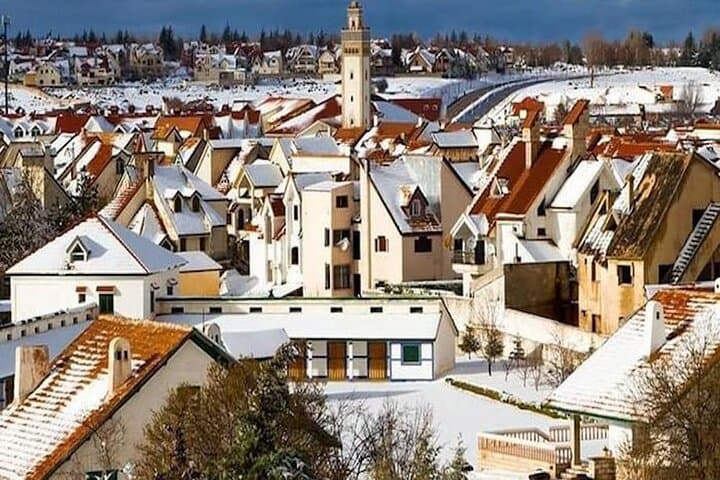
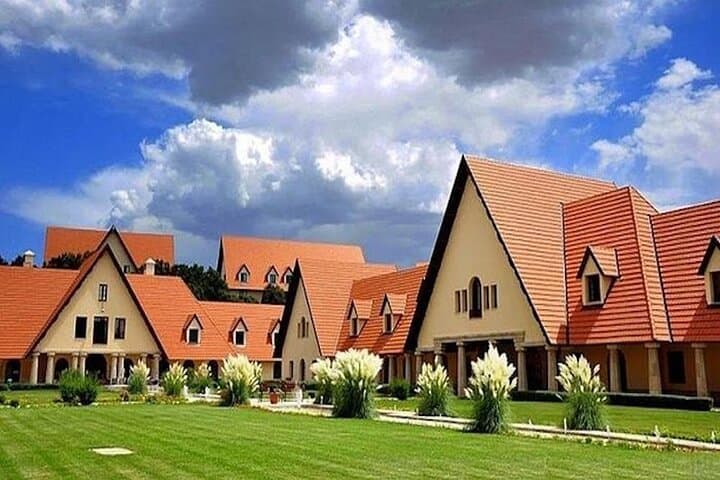
The Middle Atlas is geologically younger than the High Atlas, its folded limestone and volcanic outcrops giving rise to rounded ridges, plateaus and pockets of fertile soil that supported human settlement for millennia. Ifrane’s French-era architecture and flower-lined avenues reveal the colonial imprint from the 1920s–40s; nearby cedar groves are reminders of a different, older economy of wood and pastoralism.
Wildlife is bold here: Barbary macaques swing through cedar crowns and wild boar root along forest edges; the fauna is adapted to the cooler, wetter microclimate. Local culture centers on Amazigh (Berber) crafts—handwoven carpets and carved wood—and simple mountain hospitality in village cafes.
Practical guidance: expect a long day of driving with short walks on uneven forest tracks. Temperatures are several degrees cooler than Fez—bring layers and a rain shell outside summer. Carry water and snacks, and keep distance from macaques; feeding them disrupts natural behavior and increases aggression. Photography rewards patience: early light on cedar bark and shepherds on the ridgelines often makes the best shots. The trip is accessible to most travelers and offers a compact mix of culture, geology and wildlife for a single-day exploration.
easy.
8–10 hours.
Suitable for people comfortable with several short walks and getting in/out of a vehicle; mostly low-impact.
The excursion is a full-day trip (about 8–10 hours) with extended driving between Fez, Azrou, Ifrane and the cedar forest, plus short walks at stops.
Yes—Barbary macaques are common in the cedar groves, but you should observe from a distance and avoid feeding them to prevent aggressive behavior.
The itinerary is family-friendly, but those with limited mobility may find the short uneven walks and vehicle transfers challenging—check with the operator about accessibility and vehicle pickup options.
The standard briefing lists mineral water and transport; meals are not typically included so plan to bring snacks or arrange a meal stop during the day.
The Middle Atlas has long been inhabited by Amazigh (Berber) communities; Ifrane’s distinctive French-style development dates to the early 20th-century colonial period when it served as a mountain resort.
Cedar forests here face pressure from grazing and woodcutting; visitors should stick to trails and avoid feeding or disturbing wildlife to reduce human impact.
Magical Desert tours operates guided outdoor trips and adventures with an emphasis on safety, stewardship, and memorable experiences.
You leave Fez by mid-morning and the city’s heat falls away as the road climbs into the Atlas foothills. Pine-scented air and a cool breeze replace the medina’s dust; cedar trunks rise like columns and the road bends past pasture and stone villages. In Azrou you step into a living Berber village where carpet weavers and shepherds go about work that looks much as it did a century ago.
You leave Fez by mid-morning and the city’s heat falls away as the road climbs into the Atlas foothills. Pine-scented air and a cool breeze replace the medina’s dust; cedar trunks rise like columns and the road bends past pasture and stone villages. In Azrou you step into a living Berber village where carpet weavers and shepherds go about work that looks much as it did a century ago.
The Middle Atlas is geologically younger than the High Atlas, its folded limestone and volcanic outcrops giving rise to rounded ridges, plateaus and pockets of fertile soil that supported human settlement for millennia. Ifrane’s French-era architecture and flower-lined avenues reveal the colonial imprint from the 1920s–40s; nearby cedar groves are reminders of a different, older economy of wood and pastoralism.
Wildlife is bold here: Barbary macaques swing through cedar crowns and wild boar root along forest edges; the fauna is adapted to the cooler, wetter microclimate. Local culture centers on Amazigh (Berber) crafts—handwoven carpets and carved wood—and simple mountain hospitality in village cafes.
Practical guidance: expect a long day of driving with short walks on uneven forest tracks. Temperatures are several degrees cooler than Fez—bring layers and a rain shell outside summer. Carry water and snacks, and keep distance from macaques; feeding them disrupts natural behavior and increases aggression. Photography rewards patience: early light on cedar bark and shepherds on the ridgelines often makes the best shots. The trip is accessible to most travelers and offers a compact mix of culture, geology and wildlife for a single-day exploration.