THE ADVENTURE COLLECTIVE® · Independent discovery and booking for outdoor travel

Cross the Middle Atlas and enter the Sahara on a compact two-day loop from Fez to Merzouga. Ride camels across Erg Chebbi, sleep under the stars in a Berber camp, and pass through cedar forests and the dramatic Ziz Valley.
Cross the Middle Atlas and enter the Sahara on a compact two-day loop from Fez to Merzouga. Ride camels across Erg Chebbi, sleep under the stars in a Berber camp, and pass through cedar forests and the dramatic Ziz Valley.
Dawn breaks over cedar-scented slopes as the van leaves Fez, the Atlas range folding away into the long spine of the Ziz Valley. By late afternoon the road yields to sand; Erg Chebbi’s dunes rise like living waves, their wind-sculpted crests catching the sun as your camel quietly steps into rhythm.
Verified experiences and guided adventures in the surrounding area.
Operated by Morocco Fez Tours · Merzouga, Drâa-Tafilalet
Dawn breaks over cedar-scented slopes as the van leaves Fez, the Atlas range folding away into the long spine of the Ziz Valley. By late afternoon the road yields to sand; Erg Chebbi’s dunes rise like living waves, their wind-sculpted crests catching the sun as your camel quietly steps into rhythm.
This short expedition threads culture and geology: Ifrane’s alpine architecture and Azrou’s cedar forests recall Morocco’s cooler plateaus, Midelt sits on an ancient fault line where quartz-rich soils mark the Middle Atlas, and the Ziz River has carved a dramatic valley that once guided caravan routes toward the Sahara. At Merzouga, local Amazigh (Berber) communities host meals and music—Gnawa rhythms and fire-lit dances around the camp keep traditions audible on the night wind.
Expect dunes up to 150 meters, fine sand that shifts underfoot, and temperatures that swing hard between day and night. The camel trek to the desert camp takes 45–90 minutes depending on pace; sunrise and sunset are the clearest moments for photography and for feeling the scale of the erg.
Practical notes: pack layered clothing for big temperature drops, bring 2–3 liters of water for the camel leg and extra for sun exposure, and use sturdy closed shoes for walking on packed sand and rocky stops. Overnight camps offer basic facilities—confirm tent standards if you need private amenities. Time your travel to arrive with daylight for the camel ride and plan rest stops—the route covers several hundred kilometers across varied terrain, so expect long stretches in the vehicle between highlights.
moderate.
2 days.
Suitable for travelers in average fitness; involves sitting on camels for 45–90 minutes and short walks on sand and rough terrain.
Camel rides to the camp typically take 45–90 minutes depending on the pick-up point and pace; guides pace camels for comfort rather than speed.
Basic tents are usually shared unless you book a private tent upgrade—confirm standards and bathroom access with the operator before booking.
The itinerary notes it’s suitable for all fitness levels, but infants must sit on laps; check camel safety and request infant seats where offered.
A small gratuity for camel handlers and camp staff (equivalent to a few euros per person) is customary and appreciated; tip in cash at the end of the stay.
The route follows traditional caravan corridors and crosses areas settled by Amazigh communities; Merzouga’s camps continue centuries-old hospitality traditions tied to trans-Saharan trade.
Dune ecosystems are fragile—avoid driving on active dune faces, pack out waste, and support local guides who follow low-impact camp practices.
Morocco Fez Tours operates guided outdoor trips and adventures with an emphasis on safety, stewardship, and memorable experiences.
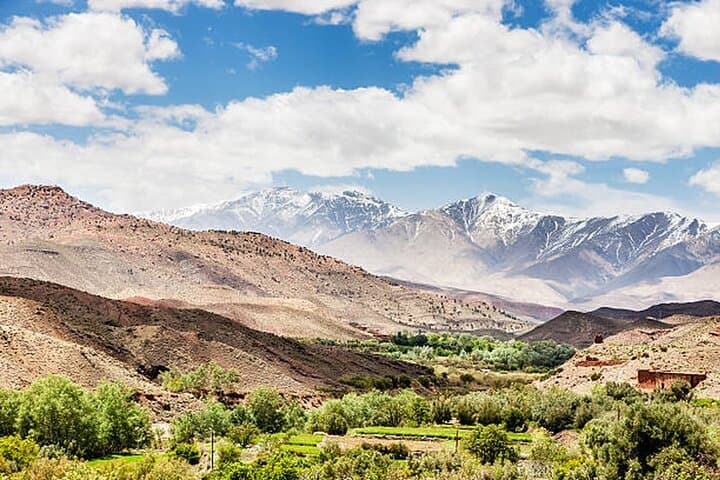
Dawn breaks over cedar-scented slopes as the van leaves Fez, the Atlas range folding away into the long spine of the Ziz Valley. By late afternoon the road yields to sand; Erg Chebbi’s dunes rise like living waves, their wind-sculpted crests catching the sun as your camel quietly steps into rhythm.
Dawn breaks over cedar-scented slopes as the van leaves Fez, the Atlas range folding away into the long spine of the Ziz Valley. By late afternoon the road yields to sand; Erg Chebbi’s dunes rise like living waves, their wind-sculpted crests catching the sun as your camel quietly steps into rhythm.
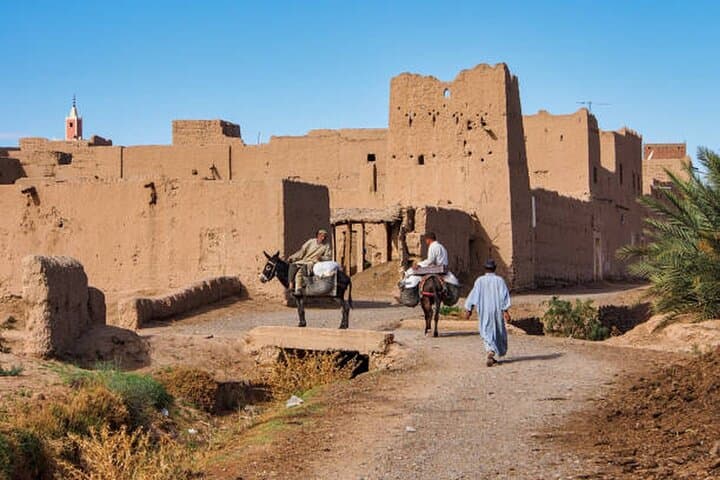
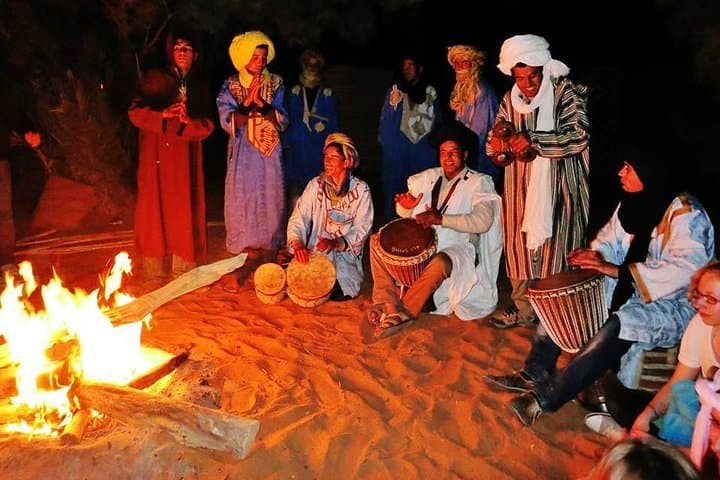
This short expedition threads culture and geology: Ifrane’s alpine architecture and Azrou’s cedar forests recall Morocco’s cooler plateaus, Midelt sits on an ancient fault line where quartz-rich soils mark the Middle Atlas, and the Ziz River has carved a dramatic valley that once guided caravan routes toward the Sahara. At Merzouga, local Amazigh (Berber) communities host meals and music—Gnawa rhythms and fire-lit dances around the camp keep traditions audible on the night wind.
Expect dunes up to 150 meters, fine sand that shifts underfoot, and temperatures that swing hard between day and night. The camel trek to the desert camp takes 45–90 minutes depending on pace; sunrise and sunset are the clearest moments for photography and for feeling the scale of the erg.
Practical notes: pack layered clothing for big temperature drops, bring 2–3 liters of water for the camel leg and extra for sun exposure, and use sturdy closed shoes for walking on packed sand and rocky stops. Overnight camps offer basic facilities—confirm tent standards if you need private amenities. Time your travel to arrive with daylight for the camel ride and plan rest stops—the route covers several hundred kilometers across varied terrain, so expect long stretches in the vehicle between highlights.