THE ADVENTURE COLLECTIVE® · Independent discovery and booking for outdoor travel

Cross cedar forests and Atlas passes before the dunes open into Erg Chebbi. This three‑day Fez to Merzouga tour pairs cultural stops—Khamlia and Rissani—with a sunset camel trek and an overnight in a traditional desert camp.
Cross cedar forests and Atlas passes before the dunes open into Erg Chebbi. This three‑day Fez to Merzouga tour pairs cultural stops—Khamlia and Rissani—with a sunset camel trek and an overnight in a traditional desert camp.
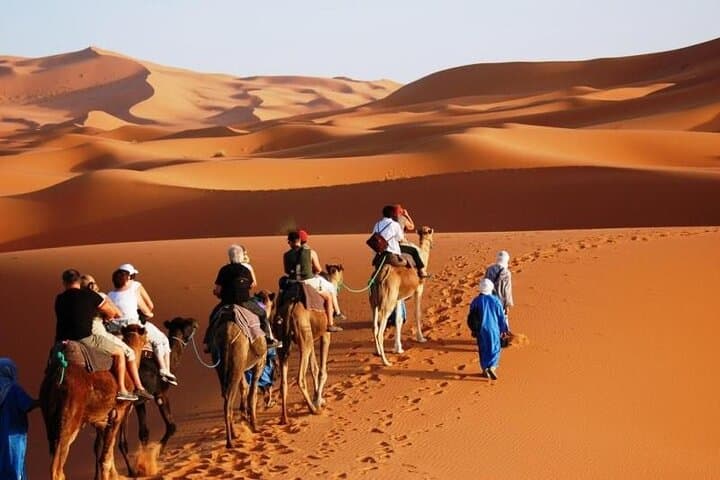
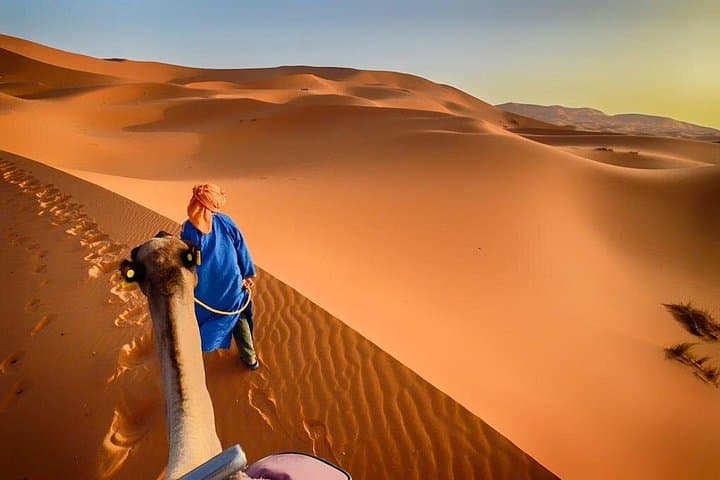
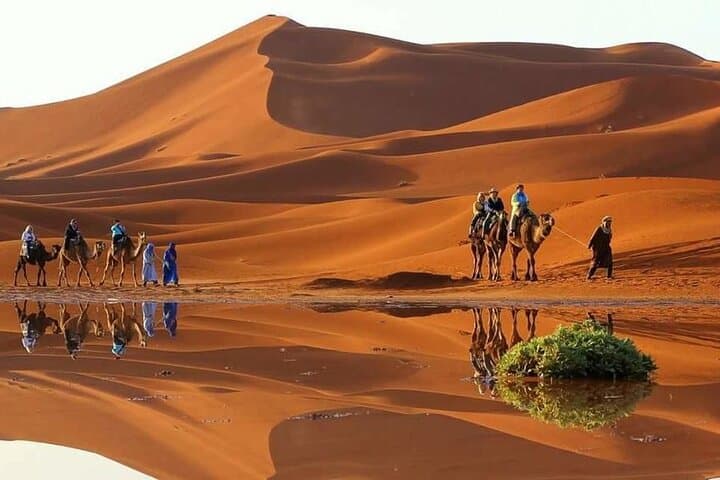
The sun is low as your 4x4 eases out of the cedar forests and the road unfurls toward a distant orange horizon. By late afternoon you can feel the air change — cooler mountain breath gives way to warm, dry currents that push you forward into the beginning of the Sahara. A 90‑minute camel trek climbs the nearest dune; the sand carries the day’s heat like a slow-moving tide while the stars take position above the campfire.
Verified experiences and guided adventures in the surrounding area.
Operated by Fez Morocco Excursions · Merzouga, Drâa-Tafilalet
The sun is low as your 4x4 eases out of the cedar forests and the road unfurls toward a distant orange horizon. By late afternoon you can feel the air change — cooler mountain breath gives way to warm, dry currents that push you forward into the beginning of the Sahara. A 90‑minute camel trek climbs the nearest dune; the sand carries the day’s heat like a slow-moving tide while the stars take position above the campfire.
This route threads through French-era Ifrane and the cedar groves of Azrou where Barbary macaques live among ancient pines, then crosses the sedimentary folds of the Atlas into the Erg Chebbi dunes — wind-sculpted sand ridges that can reach 50 meters. Khamlia preserves Gnawa music and living traditions born from sub-Saharan connections, while Dayet Srji briefly becomes a shallow lake in wet seasons and attracts flamingos.
Expect cultural contrast and geological variety: volcanic outcrops and fossil marble near Merzouga, irrigated palm oases at the dune’s base, and nomad tent life tuned to scarce water. Guides manage logistics, camp dinners, and sunrise wake-up calls; you bring stamina and curiosity.
Practical notes: pack breathable layers for big diurnal swings, protect against sun and sand, and bring cash for small village purchases and tipping. Camel treks are steady but unpaved; wear closed shoes and use sunscreen. Aim to travel in spring or autumn for milder temperatures, and follow guides’ advice to minimize impact on fragile dune ecosystems.
moderate.
3 days (approx. 72 hours).
Moderate fitness—able to manage short sand walks and 90–120 minute camel rides; comfortable for most active travelers.
Camel treks included are typically 90–120 minutes to and from the desert camp, paced for comfort and photography stops.
Overnights mix simple desert bivouac tents and local auberges or hotels; expect comfortable sleeping mats, communal dinner, and basic facilities.
The itinerary is marketed as suitable for all fitness levels, but camel mounting and uneven sand can be difficult for some—notify the operator if mobility is limited.
Carry Moroccan dirham for small purchases and tips; vendors and camp staff often accept cash only, and tipping guides/drivers is customary.
The route follows old caravan corridors and colonial-era roads; Ifrane’s 1930s alpine architecture reflects French-era planning while Rissani marks historic trading access to the Sahara.
Dune ecosystems are fragile—stick to designated camp zones, avoid disturbing vegetation and animal burrows, and minimize water waste in a water-scarce region.
Fez Morocco Excursions operates guided outdoor trips and adventures with an emphasis on safety, stewardship, and memorable experiences.
The sun is low as your 4x4 eases out of the cedar forests and the road unfurls toward a distant orange horizon. By late afternoon you can feel the air change — cooler mountain breath gives way to warm, dry currents that push you forward into the beginning of the Sahara. A 90‑minute camel trek climbs the nearest dune; the sand carries the day’s heat like a slow-moving tide while the stars take position above the campfire.
The sun is low as your 4x4 eases out of the cedar forests and the road unfurls toward a distant orange horizon. By late afternoon you can feel the air change — cooler mountain breath gives way to warm, dry currents that push you forward into the beginning of the Sahara. A 90‑minute camel trek climbs the nearest dune; the sand carries the day’s heat like a slow-moving tide while the stars take position above the campfire.
This route threads through French-era Ifrane and the cedar groves of Azrou where Barbary macaques live among ancient pines, then crosses the sedimentary folds of the Atlas into the Erg Chebbi dunes — wind-sculpted sand ridges that can reach 50 meters. Khamlia preserves Gnawa music and living traditions born from sub-Saharan connections, while Dayet Srji briefly becomes a shallow lake in wet seasons and attracts flamingos.
Expect cultural contrast and geological variety: volcanic outcrops and fossil marble near Merzouga, irrigated palm oases at the dune’s base, and nomad tent life tuned to scarce water. Guides manage logistics, camp dinners, and sunrise wake-up calls; you bring stamina and curiosity.
Practical notes: pack breathable layers for big diurnal swings, protect against sun and sand, and bring cash for small village purchases and tipping. Camel treks are steady but unpaved; wear closed shoes and use sunscreen. Aim to travel in spring or autumn for milder temperatures, and follow guides’ advice to minimize impact on fragile dune ecosystems.