THE ADVENTURE COLLECTIVE® · Independent discovery and booking for outdoor travel

A three‑day crossing from Fez to Merzouga that moves from cedar forest to wind‑hewn dunes. Expect long scenic drives, a 1‑hour camel ride into Erg Chebbi, a night in a desert camp and cultural stops in Berber villages and Khamlia.
A three‑day crossing from Fez to Merzouga that moves from cedar forest to wind‑hewn dunes. Expect long scenic drives, a 1‑hour camel ride into Erg Chebbi, a night in a desert camp and cultural stops in Berber villages and Khamlia.
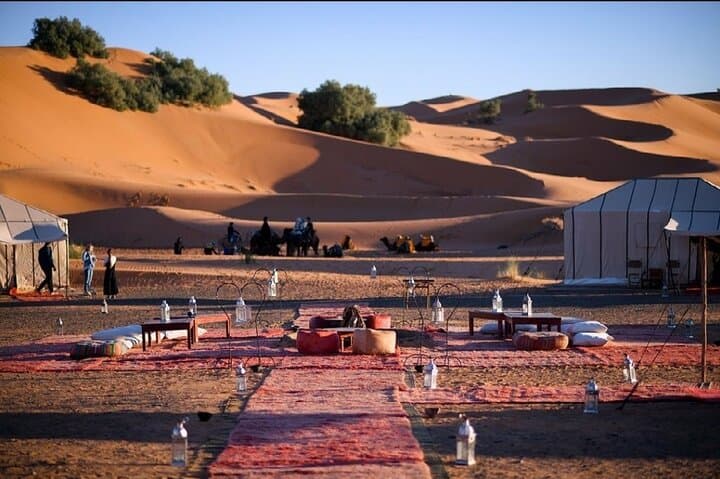
The morning air on day one is sharp as the Atlas road unwinds beneath an air‑conditioned 4x4, and the cedar forests of Azrou fall away like a green curtain. By afternoon the landscape shifts—mountain greens give way to ochre plateaus and the Ziz Valley threads life through an otherwise arid sweep. You arrive at Merzouga as the dunes of Erg Chebbi redden with late light, then trade wheels for camels and climb dune ridges that move underfoot like a slow ocean.
Verified experiences and guided adventures in the surrounding area.
Operated by RMT Tours · Merzouga, Drâa-Tafilalet
The morning air on day one is sharp as the Atlas road unwinds beneath an air‑conditioned 4x4, and the cedar forests of Azrou fall away like a green curtain. By afternoon the landscape shifts—mountain greens give way to ochre plateaus and the Ziz Valley threads life through an otherwise arid sweep. You arrive at Merzouga as the dunes of Erg Chebbi redden with late light, then trade wheels for camels and climb dune ridges that move underfoot like a slow ocean.
This route stitches together Morocco’s layers: Roman and Berber routes through the Middle Atlas, the irrigation veins that formed the Ziz oasis, and the more recent tradition of desert camps serving travelers since the 20th century. Geologically, Erg Chebbi is a wind‑sculpted sea of sand built from millennia of eroded sandstone and volcanic deposits—you’ll find scattered black volcanic rocks and fossilized marble on the edges. Culturally the trip is threaded with Gnawa music in Khamlia, Berber hospitality in mountain villages, and the camel handlers whose way of life still follows seasonal water and grazing patterns.
Practical side: expect long drives interspersed with stops—pack for sun, sand, and cool desert nights. Carry layered clothing for big temperature swings, sturdy closed shoes for rocky stops, sunscreen and plenty of water for treks, and small bills for tips and market purchases. Plan sunrise in the dunes and an evening around the campfire for the clearest sky. If you want minimal fuss, choose the provided hotel pickup and the guided camel trek; if you want deeper exploration, ask to extend a stop in the Ziz Valley or a visit with a nomad family.
moderate.
3 days.
Moderate fitness for transfers, a 1‑hour camel ride over sand and short dune walks; not technically demanding but expect uneven terrain and long vehicle time.
The standard camel trek included is about one hour at sunset for day two, with a shorter sunrise ride back on day three.
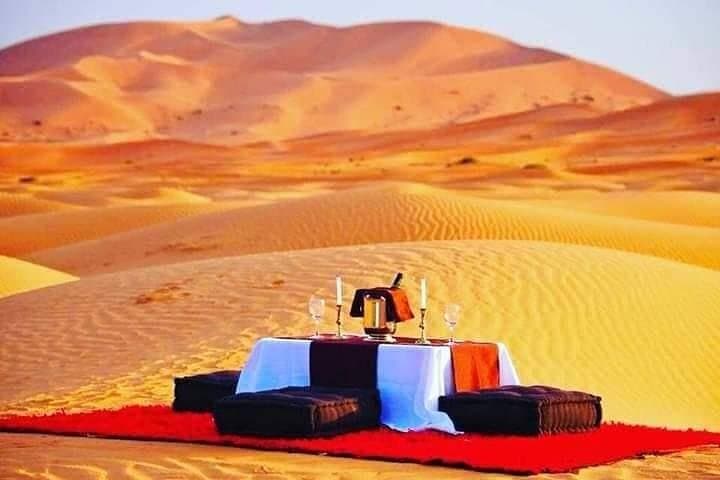
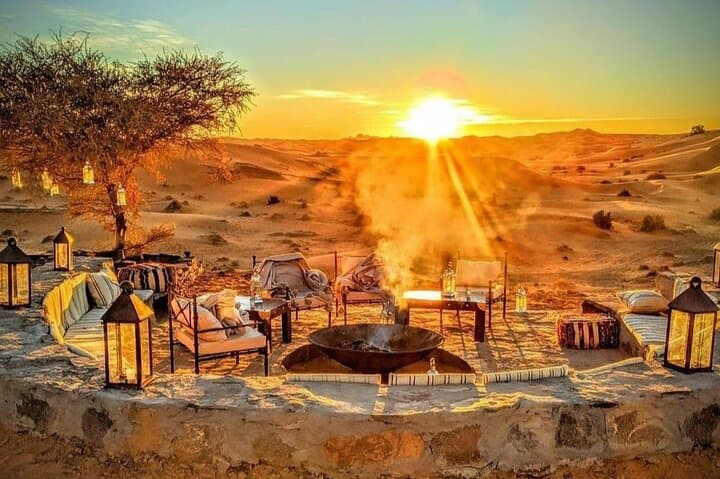
Camps range from basic to luxury; this tour includes a luxury camp with sleeping tents, dinner and a campfire—expect simple hot water showers in many camps.
Yes—this private/shared small group format allows flexibility for extra stops, but any changes should be coordinated with your driver‑guide in advance.
The provider notes the tour is suitable for all fitness levels, but camel mounting/dismounting and sand walking may be difficult for limited mobility—ask about alternatives before booking.
The route follows historic trans‑Saharan corridors and Berber settlements; towns like Rissani were once caravan hubs connecting Saharan trade to Moroccan cities.
The dunes are fragile—stick to established paths in camps and avoid disturbing flora; support local guides who practice low‑impact camping and proper waste removal.
RMT Tours operates guided outdoor trips and adventures with an emphasis on safety, stewardship, and memorable experiences.
The morning air on day one is sharp as the Atlas road unwinds beneath an air‑conditioned 4x4, and the cedar forests of Azrou fall away like a green curtain. By afternoon the landscape shifts—mountain greens give way to ochre plateaus and the Ziz Valley threads life through an otherwise arid sweep. You arrive at Merzouga as the dunes of Erg Chebbi redden with late light, then trade wheels for camels and climb dune ridges that move underfoot like a slow ocean.
The morning air on day one is sharp as the Atlas road unwinds beneath an air‑conditioned 4x4, and the cedar forests of Azrou fall away like a green curtain. By afternoon the landscape shifts—mountain greens give way to ochre plateaus and the Ziz Valley threads life through an otherwise arid sweep. You arrive at Merzouga as the dunes of Erg Chebbi redden with late light, then trade wheels for camels and climb dune ridges that move underfoot like a slow ocean.
This route stitches together Morocco’s layers: Roman and Berber routes through the Middle Atlas, the irrigation veins that formed the Ziz oasis, and the more recent tradition of desert camps serving travelers since the 20th century. Geologically, Erg Chebbi is a wind‑sculpted sea of sand built from millennia of eroded sandstone and volcanic deposits—you’ll find scattered black volcanic rocks and fossilized marble on the edges. Culturally the trip is threaded with Gnawa music in Khamlia, Berber hospitality in mountain villages, and the camel handlers whose way of life still follows seasonal water and grazing patterns.
Practical side: expect long drives interspersed with stops—pack for sun, sand, and cool desert nights. Carry layered clothing for big temperature swings, sturdy closed shoes for rocky stops, sunscreen and plenty of water for treks, and small bills for tips and market purchases. Plan sunrise in the dunes and an evening around the campfire for the clearest sky. If you want minimal fuss, choose the provided hotel pickup and the guided camel trek; if you want deeper exploration, ask to extend a stop in the Ziz Valley or a visit with a nomad family.