THE ADVENTURE COLLECTIVE® · Independent discovery and booking for outdoor travel

A four-day overland route from Fez to Marrakech that pairs sunrise dunes in Merzouga with Todra’s sheer gorges and UNESCO-listed Aït Benhaddou. Expect long driving stages, short hikes, and one night in a Berber desert camp.
A four-day overland route from Fez to Marrakech that pairs sunrise dunes in Merzouga with Todra’s sheer gorges and UNESCO-listed Aït Benhaddou. Expect long driving stages, short hikes, and one night in a Berber desert camp.
You leave Fez before dawn and the highway peels away into the High Atlas—patchwork villages give way to scrub, then a vast, wind-sculpted sea of sand at Merzouga. A single-file line of dromedaries etches the dunes at sunset; the sky pours orange over ridgelines and the camp lights blink like small promises.
Verified experiences and guided adventures in the surrounding area.
Operated by Sahara tours · Fez, Fès-Meknès
You leave Fez before dawn and the highway peels away into the High Atlas—patchwork villages give way to scrub, then a vast, wind-sculpted sea of sand at Merzouga. A single-file line of dromedaries etches the dunes at sunset; the sky pours orange over ridgelines and the camp lights blink like small promises.
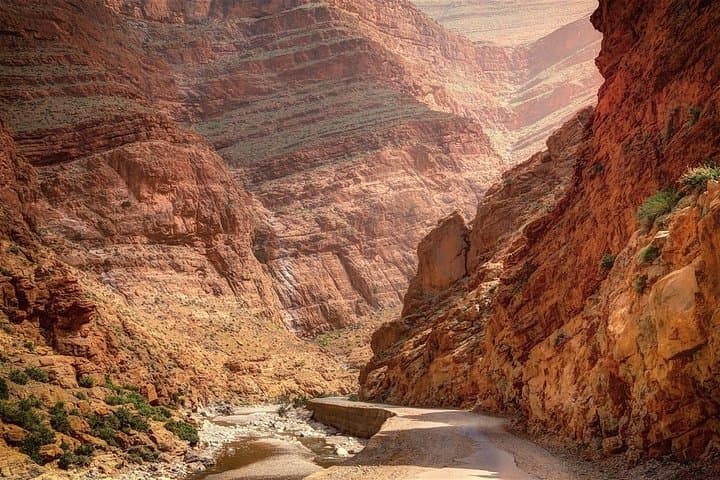
This route follows old caravan corridors. The Atlas Mountains are young folds of sedimentary rock pushed up by the African and Eurasian plates; Todra’s vertical limestone walls were carved by seasonal water and millennia of erosion. Culture here is as visible as the landscape: Berber kasbah construction, rose-oil workshops in Kelaat M’gouna, and the fortified film sets of Aït Benhaddou reflect trade, agriculture and cinema histories that shaped southern Morocco.
Expect long but scenic driving days punctuated by short hikes, camel treks, market stops and one night under a Berber camp’s canvas. Sunrise over the Erg Chebbi dunes and the narrow walkways of Todra are the emotional peaks; practical peaks are dehydration and long stretches between services.
Bring layered clothing for cold desert nights, sturdy shoes for rocky gorges, and small bills for local purchases. Plan early starts to maximize light and avoid midday heat on exposed sections. Respect local dress codes in villages and ask before photographing people. The trip is as much about pace—slow stretches, quick sights—as it is about spectacle: arrive curious, prepared, and mindful of fragile desert and mountain environments.
moderate.
4 days.
Suitable for travelers in regular physical condition; long vehicle days with short walks, a camel ride and light scrambling in gorges.
Yes—this tour provides pickup and drop-off options from Fez; confirm your exact pickup point when booking.
Breakfasts and dinners are included across the itinerary (noted as 3 breakfasts and 3 dinners); bring snacks for long drives.
Yes—a short camel ride to and from the Berber camp is included; expect approximately 1–2 hours of riding around the dunes including transfers.
Soft-sided bags are recommended because of limited trunk space on shared vehicles and easier loading for transfers to camps and hotels.
The route traces historic trans-Saharan caravan pathways and features earthen kasbah architecture exemplified by Aït Benhaddou, a UNESCO World Heritage site used as film locations.
The desert and gorge ecosystems are fragile—stay on designated tracks, minimize campfire impact, and support local cooperatives to promote sustainable tourism.
Sahara tours operates guided outdoor trips and adventures with an emphasis on safety, stewardship, and memorable experiences.

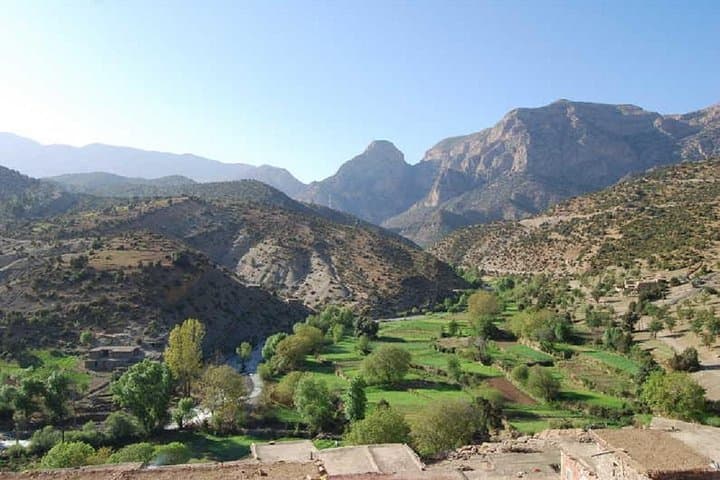
You leave Fez before dawn and the highway peels away into the High Atlas—patchwork villages give way to scrub, then a vast, wind-sculpted sea of sand at Merzouga. A single-file line of dromedaries etches the dunes at sunset; the sky pours orange over ridgelines and the camp lights blink like small promises.
You leave Fez before dawn and the highway peels away into the High Atlas—patchwork villages give way to scrub, then a vast, wind-sculpted sea of sand at Merzouga. A single-file line of dromedaries etches the dunes at sunset; the sky pours orange over ridgelines and the camp lights blink like small promises.
This route follows old caravan corridors. The Atlas Mountains are young folds of sedimentary rock pushed up by the African and Eurasian plates; Todra’s vertical limestone walls were carved by seasonal water and millennia of erosion. Culture here is as visible as the landscape: Berber kasbah construction, rose-oil workshops in Kelaat M’gouna, and the fortified film sets of Aït Benhaddou reflect trade, agriculture and cinema histories that shaped southern Morocco.
Expect long but scenic driving days punctuated by short hikes, camel treks, market stops and one night under a Berber camp’s canvas. Sunrise over the Erg Chebbi dunes and the narrow walkways of Todra are the emotional peaks; practical peaks are dehydration and long stretches between services.
Bring layered clothing for cold desert nights, sturdy shoes for rocky gorges, and small bills for local purchases. Plan early starts to maximize light and avoid midday heat on exposed sections. Respect local dress codes in villages and ask before photographing people. The trip is as much about pace—slow stretches, quick sights—as it is about spectacle: arrive curious, prepared, and mindful of fragile desert and mountain environments.