THE ADVENTURE COLLECTIVE® · Independent discovery and booking for outdoor travel

Travel from cedar forests to towering Erg Chebbi dunes on a compact three-day trek from Fez to Marrakech. Ride camels at sunset, sleep in Berber tents, and cross the High Atlas with stops at Todra Gorge and Ait Ben Haddou.
Travel from cedar forests to towering Erg Chebbi dunes on a compact three-day trek from Fez to Marrakech. Ride camels at sunset, sleep in Berber tents, and cross the High Atlas with stops at Todra Gorge and Ait Ben Haddou.
A low sun silhouettes the Erg Chebbi ridges as your camel pads up a crest and the Sahara yawns beneath a sky the purest blue you've seen. You arrive from the green passes of the Middle Atlas — cedar pines and villages give way to ochre plains — until Merzouga's dunes rise like moving mountains, ready to be crossed on camelback.
Verified experiences and guided adventures in the surrounding area.
Operated by Ahmed Meski · Merzouga, Drâa-Tafilalet
A low sun silhouettes the Erg Chebbi ridges as your camel pads up a crest and the Sahara yawns beneath a sky the purest blue you've seen. You arrive from the green passes of the Middle Atlas — cedar pines and villages give way to ochre plains — until Merzouga's dunes rise like moving mountains, ready to be crossed on camelback.
This three-day route threads Moroccan history and geology: French-era Ifrane’s alpine architecture, the cedar groves that shelter Barbary macaques, and the volcanic, sedimentary formations of the Atlas that funnel ancient caravan tracks toward the yellow sands. Ait Ben Haddou's mud-brick kasbahs recall trans-Saharan trade and the film crews who've used these landscapes as backdrops. Culturally, expect Berber hospitality — mint tea around firelight, nightly drumming and tents set for comfort.
Practically, the camel ride to camp typically ranges from 1–2 hours over soft sand where footing is unstable and the sun is fierce by day and cold by night. Plan early starts for dune sunrises and late arrivals for stargazing. Bring layered clothing: desert days can be hot while nights drop sharply, and a headscarf to keep sand out of eyes and gear is invaluable. Hydrate before and during travel; carry cash for tips and small purchases in villages.
Logistics: travel is by air-conditioned minivan between Fez, Merzouga, the Todra and Dades gorges, Ouarzazate and onto Marrakech via Tizi n’Tichka (2,260 m). Nights alternate between desert tents and modest hotels. This trip balances gentle riding and long drive days — rewarding for travelers who want a compact cross-section of Morocco’s landscape, culture and cinematic history.
moderate.
3 days.
Suitable for travelers with reasonable mobility who can ride camels 1–2 hours and tolerate long vehicle transfers.
The camel transfer to camp is typically 1–2 hours depending on the route and pace; guides aim to arrive before sunset or early enough for sunrise the next morning.
Comfort varies; most camps offer traditional Berber tents with bedding and communal dining, while some provide upgraded sleeping mats, blankets and private tents on request.
Camel riding is gentle but involves mounting and dismounting; guests with serious mobility limits or cardiovascular issues should consult the operator beforehand.
Breakfasts and dinners are included as described, and camps provide drinking water — bring a refillable bottle for daytime use between fills.
The route follows historic caravan corridors across the Atlas to the Sahara; Ait Ben Haddou is a UNESCO-listed ksar that once guarded trans-Saharan trade routes.
Water is scarce and desert vegetation is fragile — avoid walking on dune crests unnecessarily and support local guides who practice low-impact camping.
Ahmed Meski operates guided outdoor trips and adventures with an emphasis on safety, stewardship, and memorable experiences.


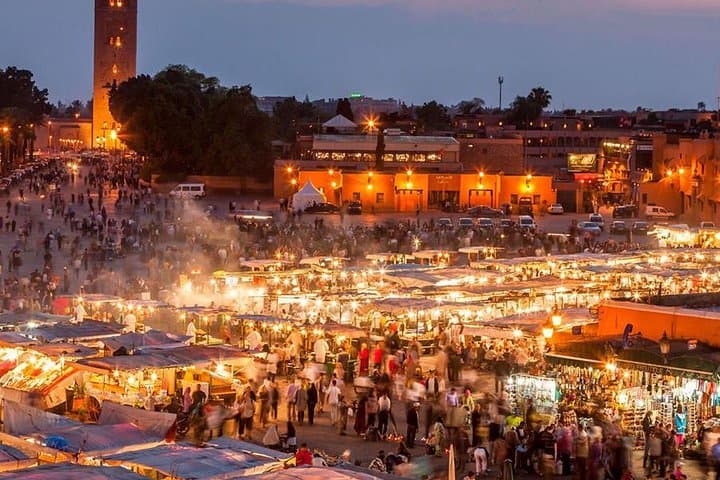
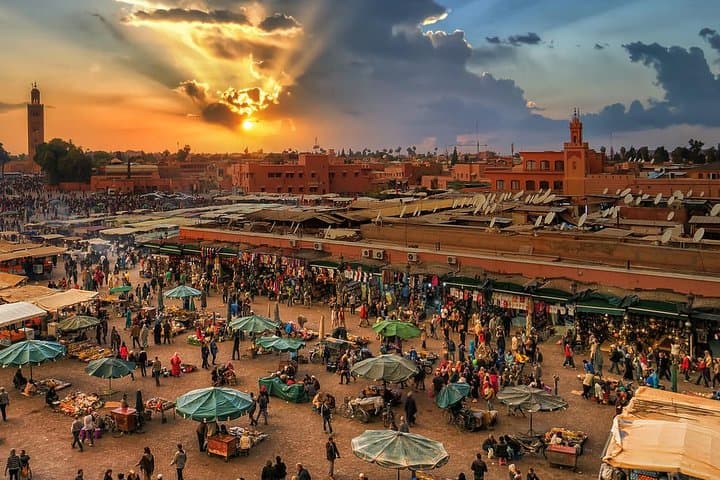
A low sun silhouettes the Erg Chebbi ridges as your camel pads up a crest and the Sahara yawns beneath a sky the purest blue you've seen. You arrive from the green passes of the Middle Atlas — cedar pines and villages give way to ochre plains — until Merzouga's dunes rise like moving mountains, ready to be crossed on camelback.
A low sun silhouettes the Erg Chebbi ridges as your camel pads up a crest and the Sahara yawns beneath a sky the purest blue you've seen. You arrive from the green passes of the Middle Atlas — cedar pines and villages give way to ochre plains — until Merzouga's dunes rise like moving mountains, ready to be crossed on camelback.
This three-day route threads Moroccan history and geology: French-era Ifrane’s alpine architecture, the cedar groves that shelter Barbary macaques, and the volcanic, sedimentary formations of the Atlas that funnel ancient caravan tracks toward the yellow sands. Ait Ben Haddou's mud-brick kasbahs recall trans-Saharan trade and the film crews who've used these landscapes as backdrops. Culturally, expect Berber hospitality — mint tea around firelight, nightly drumming and tents set for comfort.
Practically, the camel ride to camp typically ranges from 1–2 hours over soft sand where footing is unstable and the sun is fierce by day and cold by night. Plan early starts for dune sunrises and late arrivals for stargazing. Bring layered clothing: desert days can be hot while nights drop sharply, and a headscarf to keep sand out of eyes and gear is invaluable. Hydrate before and during travel; carry cash for tips and small purchases in villages.
Logistics: travel is by air-conditioned minivan between Fez, Merzouga, the Todra and Dades gorges, Ouarzazate and onto Marrakech via Tizi n’Tichka (2,260 m). Nights alternate between desert tents and modest hotels. This trip balances gentle riding and long drive days — rewarding for travelers who want a compact cross-section of Morocco’s landscape, culture and cinematic history.