THE ADVENTURE COLLECTIVE® · Independent discovery and booking for outdoor travel

A compact three‑day overland tour from Fez to Marrakech that crosses the High Atlas, visits cedar forests and Todra Gorge, and ends with a camel ride and overnight at a Berber camp in the dunes near Merzouga.
A compact three‑day overland tour from Fez to Marrakech that crosses the High Atlas, visits cedar forests and Todra Gorge, and ends with a camel ride and overnight at a Berber camp in the dunes near Merzouga.
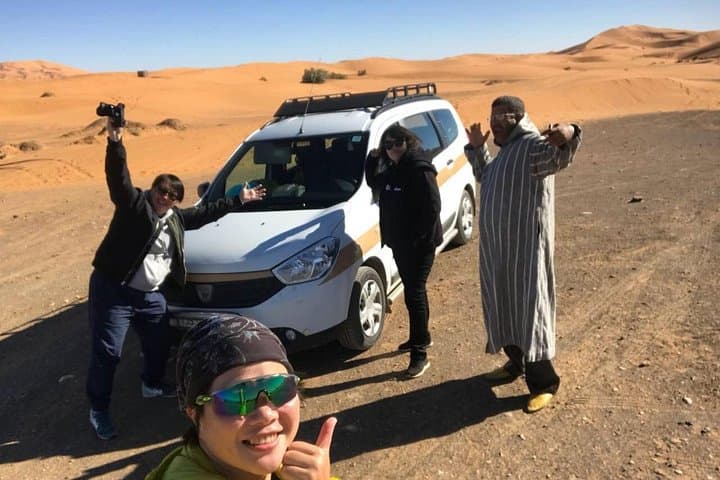
You step out of the air‑conditioned van as the desert light pulls the dunes into color. Winded ridgelines of sand roll away like a sea frozen mid‑surge; the small caravan of dromedaries waits, patient and steady, to carry you to the Berber camp.
Verified experiences and guided adventures in the surrounding area.
Operated by Medina Social Club Restaurant · Fez, Fès-Meknès
You step out of the air‑conditioned van as the desert light pulls the dunes into color. Winded ridgelines of sand roll away like a sea frozen mid‑surge; the small caravan of dromedaries waits, patient and steady, to carry you to the Berber camp.
This three‑day route threads colonial Ifrane and cedar forests of Azrou, the high plains around Midelt, the irrigated palms of the Ziz Valley, and the orange curves of Erg Chebbi near Merzouga. Geologically the drive moves from limestone and cedar‑covered plateaus down into limestone gorges (Todgha) and finally to the wind‑shaped silicate dunes of the Sahara. Culturally the trip follows old caravan corridors; Aït Ben Haddou is a fortified ksar preserved as UNESCO heritage and a frequent film set, while Kelaat M’Gouna’s rose cooperatives reveal long‑standing local crafts.
Expect long driving segments over mountain passes and desert plains—plan for several hours on winding roads each day. Sunrise over the dunes is the highlight: arrive early, layer up, and give yourself time to walk a dune crest. In Merzouga, overnight in a Berber camp with basic facilities, star visibility is excellent on clear nights. Todra Gorge offers short walks and dramatic canyon walls; climbers will find vertical routes, while others can picnic at the river.
Practical tips: carry cash for small purchases, bring sun protection and a refillable water bottle, and pack light for camel transfers. The terrain ranges from paved roads to sand; comfortable hiking shoes and good ankle support make the trip easier. Respect local customs at villages and follow Leave No Trace principles in the desert.
moderate.
3 days.
Suitable for travelers in average shape: long drives interspersed with short walks, a camel ride, and standing time at viewpoints.
Expect several hours of driving each day between stops—mountain roads and desert stretches make travel time longer than straight‑line distance.
Berber camps near Merzouga are typically basic but clean, offering mattresses and shared or private tents, dinner, and sometimes shared showers depending on the operator.
Yes—Todra Gorge has easy riverside walks and lunch spots; technical climbing is optional and for those with experience or guides.
Breakfasts and some dinners are included, but bring extra snacks and cash for drinks, additional meals, and small purchases in villages.
Aït Ben Haddou sits on old trans‑Saharan routes and its adobe ksar was fortified to protect caravan trade—the region shows layered influences from Berber, Arab, and French periods.
Dune and oasis ecosystems are fragile; minimize water use, avoid driving on dunes, and support local cooperatives to keep economic benefits in communities.
Medina Social Club Restaurant operates guided outdoor trips and adventures with an emphasis on safety, stewardship, and memorable experiences.
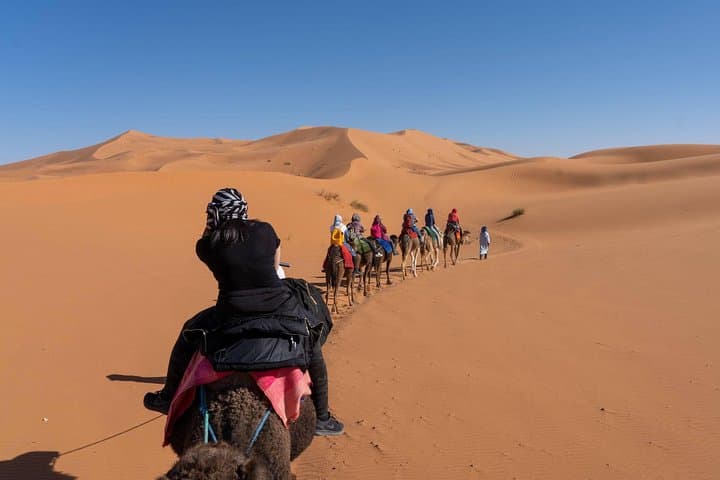

You step out of the air‑conditioned van as the desert light pulls the dunes into color. Winded ridgelines of sand roll away like a sea frozen mid‑surge; the small caravan of dromedaries waits, patient and steady, to carry you to the Berber camp.
You step out of the air‑conditioned van as the desert light pulls the dunes into color. Winded ridgelines of sand roll away like a sea frozen mid‑surge; the small caravan of dromedaries waits, patient and steady, to carry you to the Berber camp.
This three‑day route threads colonial Ifrane and cedar forests of Azrou, the high plains around Midelt, the irrigated palms of the Ziz Valley, and the orange curves of Erg Chebbi near Merzouga. Geologically the drive moves from limestone and cedar‑covered plateaus down into limestone gorges (Todgha) and finally to the wind‑shaped silicate dunes of the Sahara. Culturally the trip follows old caravan corridors; Aït Ben Haddou is a fortified ksar preserved as UNESCO heritage and a frequent film set, while Kelaat M’Gouna’s rose cooperatives reveal long‑standing local crafts.
Expect long driving segments over mountain passes and desert plains—plan for several hours on winding roads each day. Sunrise over the dunes is the highlight: arrive early, layer up, and give yourself time to walk a dune crest. In Merzouga, overnight in a Berber camp with basic facilities, star visibility is excellent on clear nights. Todra Gorge offers short walks and dramatic canyon walls; climbers will find vertical routes, while others can picnic at the river.
Practical tips: carry cash for small purchases, bring sun protection and a refillable water bottle, and pack light for camel transfers. The terrain ranges from paved roads to sand; comfortable hiking shoes and good ankle support make the trip easier. Respect local customs at villages and follow Leave No Trace principles in the desert.