THE ADVENTURE COLLECTIVE® · Independent discovery and booking for outdoor travel

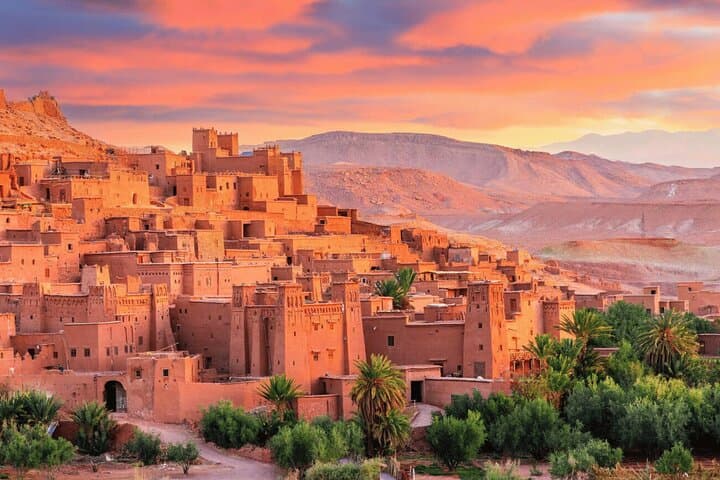
Travel from Fez across cedar forests, the Todra and Dades gorges, and the orange dunes of Merzouga in three days. Expect long drives punctuated by dramatic landscapes, an overnight in a desert camp, and stops at UNESCO-listed Ait Ben Haddou.
Travel from Fez across cedar forests, the Todra and Dades gorges, and the orange dunes of Merzouga in three days. Expect long drives punctuated by dramatic landscapes, an overnight in a desert camp, and stops at UNESCO-listed Ait Ben Haddou.
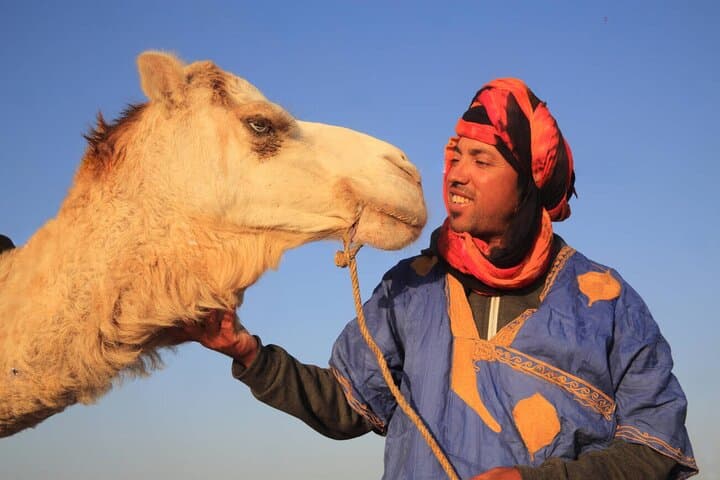
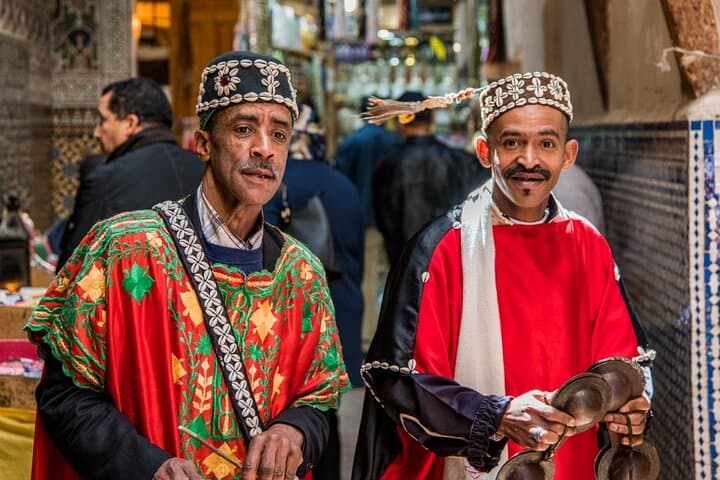
You arrive as the sun tilts orange over Erg Chebbi and the camels climb the dune like patient ships. The sand sighs beneath your feet; a single track winds toward a low, lantern-lit camp where a small fire and a circle of musicians wait.
Verified experiences and guided adventures in the surrounding area.
Operated by Premium Transfers and Tours Travel · Merzouga, Drâa-Tafilalet
You arrive as the sun tilts orange over Erg Chebbi and the camels climb the dune like patient ships. The sand sighs beneath your feet; a single track winds toward a low, lantern-lit camp where a small fire and a circle of musicians wait.
This three-day route threads northern Morocco’s contrasting landscapes: cedar forests above Ifrane where Barbary macaques move like mischief among ancient trunks; the high passes of the Middle Atlas and the arid sweep of the Ziz Valley; the narrow, sculpted cliffs of Todra Gorge; and the broad sea of Erg Chebbi near Merzouga. Geologically, you travel from limestone gorges carved by seasonal rivers to wind-sorted sand bodies that shift their crests daily. Culturally, the journey runs along former caravan corridors and passes Ait Ben Haddou, an earthen ksar that shows how mudbrick architecture and kasbah defenses shaped life here — and later, film backlots for epic cinema.
Practicalities are straightforward: expect long driving stretches (the Fez–Merzouga leg can be 7–9 hours with stops), paved mountain passes, short dune treks, and a 1–2 hour camel transfer at dusk. Nights in desert camps are cold — bring warm layers; days are hot and sun-exposed. Hydrate, protect electronics from sand, and plan travel insurance for remote transfers. The reward is plain: sunrise rippling across dunes, canyon walls that make you look up, and evenings spent around a fire listening to local rhythms.
moderate.
3 days.
Reasonable mobility and stamina for several hours of walking and short dune climbs; tolerable for most active travelers.
Yes — the itinerary includes a camel ride into Erg Chebbi and an overnight in a desert camp with dinner and breakfast.
Expect long driving segments: Day 1 can be 7–9 hours (Fez to Merzouga with stops), Day 2 several hours between gorges, and Day 3 about 5–7 hours through Ouarzazate toward Marrakech.
Camps typically offer traditional Berber tents with mattresses, shared or en-suite facilities depending on the camp, and communal meals with local music.
The supplier lists the trip as suitable for varied fitness levels, but long drives and overnight tents may be tiring for very young children or travelers with mobility limits.
The route traces old caravan and trade corridors from the Atlas into the Sahara; Ait Ben Haddou preserves a classic example of ksar architecture used historically for defense and storage.
Desert ecosystems are fragile—stay on marked tracks, avoid disturbing dunes and wildlife, and reduce water use; support local guides and small guesthouses to keep tourism sustainable.
Premium Transfers and Tours Travel operates guided outdoor trips and adventures with an emphasis on safety, stewardship, and memorable experiences.
You arrive as the sun tilts orange over Erg Chebbi and the camels climb the dune like patient ships. The sand sighs beneath your feet; a single track winds toward a low, lantern-lit camp where a small fire and a circle of musicians wait.
You arrive as the sun tilts orange over Erg Chebbi and the camels climb the dune like patient ships. The sand sighs beneath your feet; a single track winds toward a low, lantern-lit camp where a small fire and a circle of musicians wait.
This three-day route threads northern Morocco’s contrasting landscapes: cedar forests above Ifrane where Barbary macaques move like mischief among ancient trunks; the high passes of the Middle Atlas and the arid sweep of the Ziz Valley; the narrow, sculpted cliffs of Todra Gorge; and the broad sea of Erg Chebbi near Merzouga. Geologically, you travel from limestone gorges carved by seasonal rivers to wind-sorted sand bodies that shift their crests daily. Culturally, the journey runs along former caravan corridors and passes Ait Ben Haddou, an earthen ksar that shows how mudbrick architecture and kasbah defenses shaped life here — and later, film backlots for epic cinema.
Practicalities are straightforward: expect long driving stretches (the Fez–Merzouga leg can be 7–9 hours with stops), paved mountain passes, short dune treks, and a 1–2 hour camel transfer at dusk. Nights in desert camps are cold — bring warm layers; days are hot and sun-exposed. Hydrate, protect electronics from sand, and plan travel insurance for remote transfers. The reward is plain: sunrise rippling across dunes, canyon walls that make you look up, and evenings spent around a fire listening to local rhythms.