THE ADVENTURE COLLECTIVE® · Independent discovery and booking for outdoor travel

Spend a long day traveling from Fez into the Rif to explore Chefchaouen’s blue-washed medina, Ras El Ma spring, and the kasbah plaza. This guide outlines what to expect on the 11–12 hour round-trip excursion and how to prepare to make the most of your visit.
Spend a long day traveling from Fez into the Rif to explore Chefchaouen’s blue-washed medina, Ras El Ma spring, and the kasbah plaza. This guide outlines what to expect on the 11–12 hour round-trip excursion and how to prepare to make the most of your visit.
A bus peels away from Fez before dawn and the road climbs into the Rif mountains; mist slides off terraced fields and the air takes on the mineral scent of limestone and pine. By midmorning the town appears — walls and alleys washed in layered blues that make the sun seem gentler than it is — and the medina opens like a compact, lived-in gallery.
Verified experiences and guided adventures in the surrounding area.
Operated by Morocco Kos Tours · Chefchaouen, Tanger-Tetouan-Al Hoceima
A bus peels away from Fez before dawn and the road climbs into the Rif mountains; mist slides off terraced fields and the air takes on the mineral scent of limestone and pine. By midmorning the town appears — walls and alleys washed in layered blues that make the sun seem gentler than it is — and the medina opens like a compact, lived-in gallery.
Chefchaouen grew from a 15th-century kasbah founded by Moorish exiles and later absorbed Andalusian and Spanish influences; its architecture reflects stepped alleys, small plazas and a kasbah with a stony watch over the town. Geologically, the Rif is younger and more folded than the Atlas, giving narrow valleys, limestone outcrops and the fresh springs at Ras El Ma that still feed communal washing basins. Locals maintain distinct textile and dyeing traditions; you’ll notice indigo jars and handwoven wool in small workshops.
Expect a day that is equal parts walking and looking: Plaza Utta El Hamam for people-watching, the Ras El Ma stream where children dare the current, and steep lanes that require careful footing. The tour is long — typically 11–12 hours round-trip from Fez — so plan for hydration and sun protection, and schedule your visit for morning light when colors are clearest and crowds lighter.
Practical tip: carry cash for small purchases, wear grippy shoes for uneven stone, and respect private doorways — many blue facades are lived-in. The town rewards slow exploration: pause on a rooftop café where the Rif leans in like a patient companion.
moderate.
11–12 hours.
Moderate fitness for several hours of walking and getting on/off the vehicle; comfortable walking pace required.
The round-trip itinerary runs about 11–12 hours total, with roughly 3–4 hours driving each way depending on traffic and stops.
The medina has many steep, narrow lanes and steps; some parts near Plaza Utta El Hamam and Ras El Ma are more level, but overall accessibility is limited.
Bring Moroccan dirhams for market purchases, taxis and small vendors — many small shops do not accept cards.
Yes — tours typically include a lunch stop and time to wander the medina and shops, but allotments vary so prioritize what you want to see early in the visit.
Chefchaouen was founded in the late 15th century by Moorish exiles and later absorbed Andalusian influences; its blue-painted walls relate both to tradition and cultural symbolism.
Water in the Rif is a limited resource; visitors should avoid wasting water, refrain from touching or repainting lime-washed facades, and support local businesses to keep tourism benefits local.
Morocco Kos Tours operates guided outdoor trips and adventures with an emphasis on safety, stewardship, and memorable experiences.
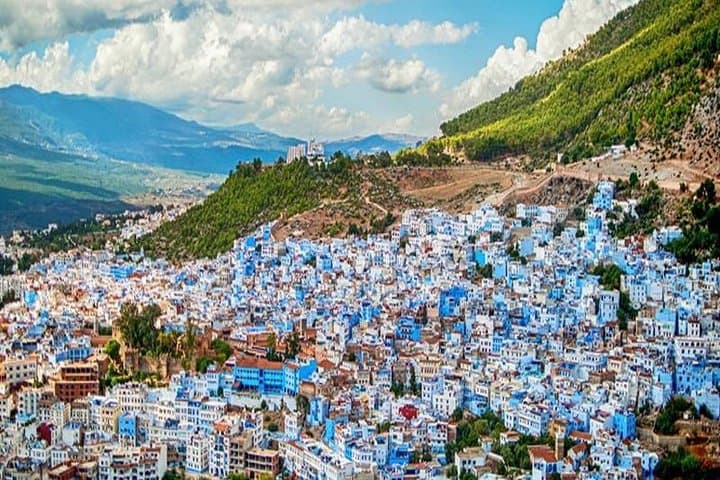

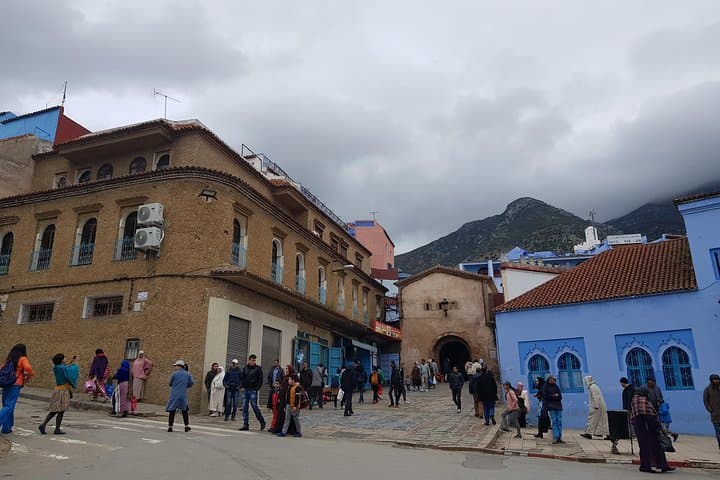
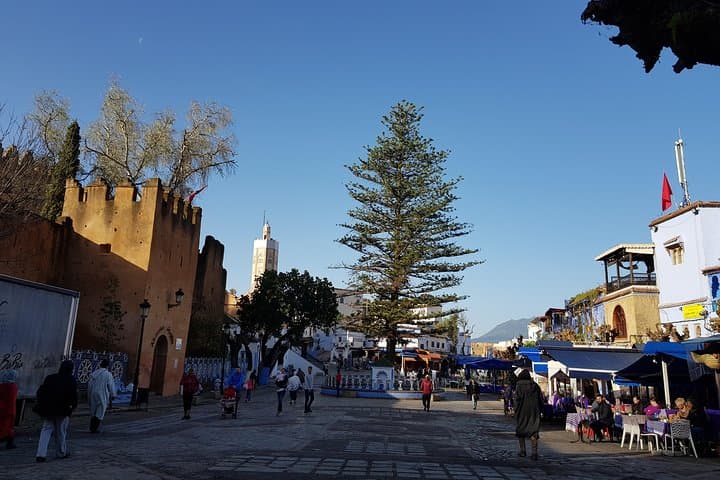
A bus peels away from Fez before dawn and the road climbs into the Rif mountains; mist slides off terraced fields and the air takes on the mineral scent of limestone and pine. By midmorning the town appears — walls and alleys washed in layered blues that make the sun seem gentler than it is — and the medina opens like a compact, lived-in gallery.
A bus peels away from Fez before dawn and the road climbs into the Rif mountains; mist slides off terraced fields and the air takes on the mineral scent of limestone and pine. By midmorning the town appears — walls and alleys washed in layered blues that make the sun seem gentler than it is — and the medina opens like a compact, lived-in gallery.
Chefchaouen grew from a 15th-century kasbah founded by Moorish exiles and later absorbed Andalusian and Spanish influences; its architecture reflects stepped alleys, small plazas and a kasbah with a stony watch over the town. Geologically, the Rif is younger and more folded than the Atlas, giving narrow valleys, limestone outcrops and the fresh springs at Ras El Ma that still feed communal washing basins. Locals maintain distinct textile and dyeing traditions; you’ll notice indigo jars and handwoven wool in small workshops.
Expect a day that is equal parts walking and looking: Plaza Utta El Hamam for people-watching, the Ras El Ma stream where children dare the current, and steep lanes that require careful footing. The tour is long — typically 11–12 hours round-trip from Fez — so plan for hydration and sun protection, and schedule your visit for morning light when colors are clearest and crowds lighter.
Practical tip: carry cash for small purchases, wear grippy shoes for uneven stone, and respect private doorways — many blue facades are lived-in. The town rewards slow exploration: pause on a rooftop café where the Rif leans in like a patient companion.