THE ADVENTURE COLLECTIVE® · Independent discovery and booking for outdoor travel

Two days of rolling landscapes, Roman ruins and blue-washed alleys: this Fez–Chefchaouen tour links Moulay Idriss, Volubilis and Meknes with an overnight in the Rif Mountains. Expect a mix of driving, short walks on cobbles and plenty of photo stops.
Two days of rolling landscapes, Roman ruins and blue-washed alleys: this Fez–Chefchaouen tour links Moulay Idriss, Volubilis and Meknes with an overnight in the Rif Mountains. Expect a mix of driving, short walks on cobbles and plenty of photo stops.
The morning air out of Fez is crisp and dry as the minarets slip behind the bus; the road climbs and the Rif mountains appear like a folded map. By midmorning you’re stepping off the vehicle into Moulay Idriss Zerhoun, an austere hill village whose narrow alleys rise toward a white mausoleum and a history that still shapes Morocco’s religious landscape.
Verified experiences and guided adventures in the surrounding area.
Operated by Fuma Tour Travel - Day Tours · Fez, Fès-Meknès
The morning air out of Fez is crisp and dry as the minarets slip behind the bus; the road climbs and the Rif mountains appear like a folded map. By midmorning you’re stepping off the vehicle into Moulay Idriss Zerhoun, an austere hill village whose narrow alleys rise toward a white mausoleum and a history that still shapes Morocco’s religious landscape.
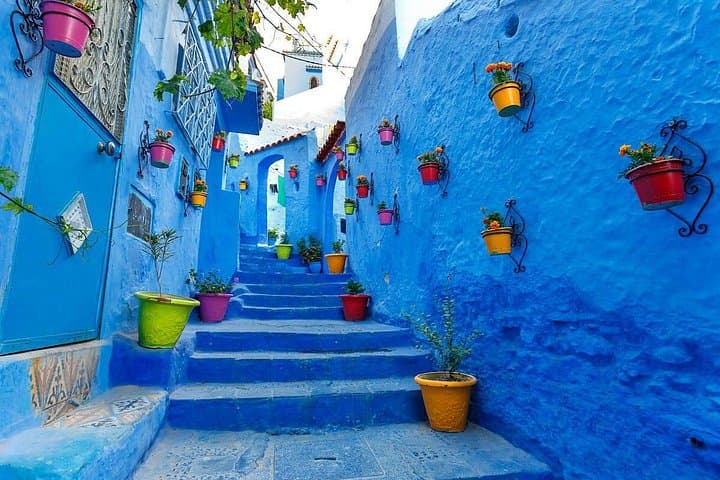
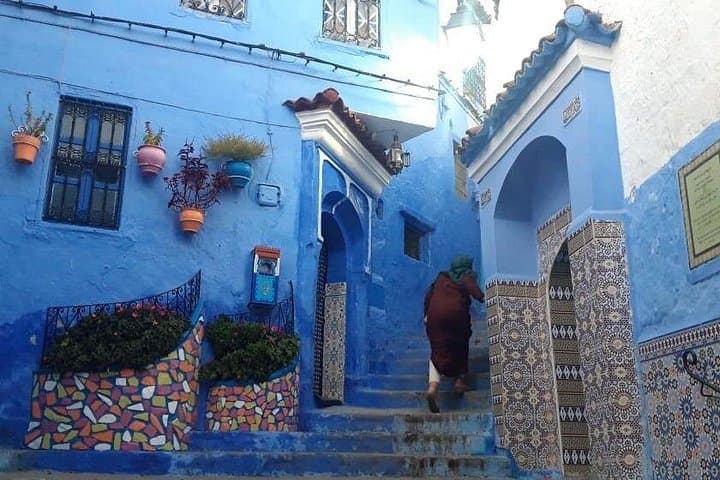
Daylight moves the tour to Volubilis, where Roman stonework sits open to the sky — tessellated floors, column fragments, and views that push you toward the plain. Afterwards Meknes offers a different tempo: 17th-century ramparts, Bab el Mansour’s stonework and the imperial scale left by Sultan Moulay Ismail. The day closes in Chefchaouen, the so-called Blue City, whose painted lanes and mountain backdrop make for quiet evening walks and local artisan wares.
Geology here varies quickly: limestone terraces in the lowlands, schist and clay in the Rif ridges, and a landscape that channels rain into narrow seasonal streams. Culturally the route stitches together Roman, Arab, Andalusian and Amazigh threads — expect Arabic and Tamazight spoken alongside French.
Practical guidance: the itinerary begins early (08:30 pick-up) and uses an air-conditioned vehicle; aim for sturdy walking shoes for cobbles and archaeological sites, dress modestly in towns, and carry cash for small purchases. Drive segments are the bulk of the day — plan for 1.5–2 hours to Volubilis, a short run to Meknes, then roughly 2.5–3 hours to Chefchaouen. Hydrate, protect against sun on exposed ruins, and pace photo stops: this is a cultural and scenic two-day sprint that blends history with vertical village streets and mountain views.
moderate.
2 days.
Suitable for travelers in average condition who can handle multiple short walks on uneven surfaces and boarding a vehicle for long drives.
Expect roughly 1.5–2 hours from Fez to Volubilis, a short transfer to Meknes, then around 2.5–3 hours from Meknes to Chefchaouen with stops en route.
The tour is rated easy to moderate with vehicle support; those with limited mobility should note cobbled streets and stairs in medinas and archaeological sites.
This specific itinerary lists admissions as not applicable—confirm with the operator whether entrance fees (e.g., Volubilis) are included before booking.
Local guides and drivers commonly speak English and French; Arabic is also widely used.
The route links early Islamic history (Moulay Idriss) with Roman Volubilis and Meknes, a 17th-century imperial capital under Sultan Moulay Ismail.
Respect local medina etiquette, avoid leaving litter in fragile archaeological zones, and support small local artisans to keep economic benefits within communities.
Fuma Tour Travel - Day Tours operates guided outdoor trips and adventures with an emphasis on safety, stewardship, and memorable experiences.

The morning air out of Fez is crisp and dry as the minarets slip behind the bus; the road climbs and the Rif mountains appear like a folded map. By midmorning you’re stepping off the vehicle into Moulay Idriss Zerhoun, an austere hill village whose narrow alleys rise toward a white mausoleum and a history that still shapes Morocco’s religious landscape.
The morning air out of Fez is crisp and dry as the minarets slip behind the bus; the road climbs and the Rif mountains appear like a folded map. By midmorning you’re stepping off the vehicle into Moulay Idriss Zerhoun, an austere hill village whose narrow alleys rise toward a white mausoleum and a history that still shapes Morocco’s religious landscape.
Daylight moves the tour to Volubilis, where Roman stonework sits open to the sky — tessellated floors, column fragments, and views that push you toward the plain. Afterwards Meknes offers a different tempo: 17th-century ramparts, Bab el Mansour’s stonework and the imperial scale left by Sultan Moulay Ismail. The day closes in Chefchaouen, the so-called Blue City, whose painted lanes and mountain backdrop make for quiet evening walks and local artisan wares.
Geology here varies quickly: limestone terraces in the lowlands, schist and clay in the Rif ridges, and a landscape that channels rain into narrow seasonal streams. Culturally the route stitches together Roman, Arab, Andalusian and Amazigh threads — expect Arabic and Tamazight spoken alongside French.
Practical guidance: the itinerary begins early (08:30 pick-up) and uses an air-conditioned vehicle; aim for sturdy walking shoes for cobbles and archaeological sites, dress modestly in towns, and carry cash for small purchases. Drive segments are the bulk of the day — plan for 1.5–2 hours to Volubilis, a short run to Meknes, then roughly 2.5–3 hours to Chefchaouen. Hydrate, protect against sun on exposed ruins, and pace photo stops: this is a cultural and scenic two-day sprint that blends history with vertical village streets and mountain views.