THE ADVENTURE COLLECTIVE® · Independent discovery and booking for outdoor travel

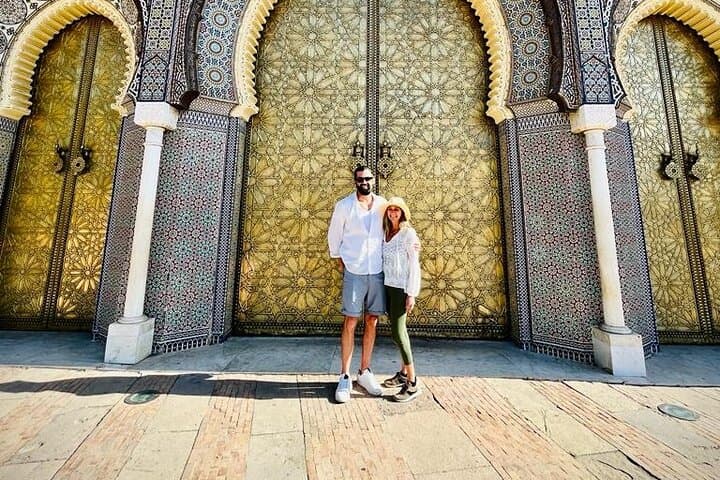
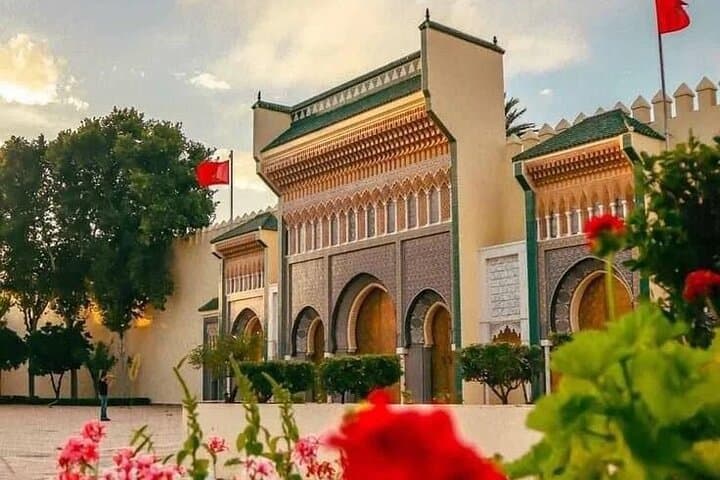
Take a private 2–3 hour tour along Fes’s ramparts to photograph the Royal Palace gates, stroll the historic Mellah, and catch sunset panoramas from Borj Nord and Borj Sud. Ideal for first-time visitors who want high viewpoints and cultural context without the medina’s crowds.
Take a private 2–3 hour tour along Fes’s ramparts to photograph the Royal Palace gates, stroll the historic Mellah, and catch sunset panoramas from Borj Nord and Borj Sud. Ideal for first-time visitors who want high viewpoints and cultural context without the medina’s crowds.
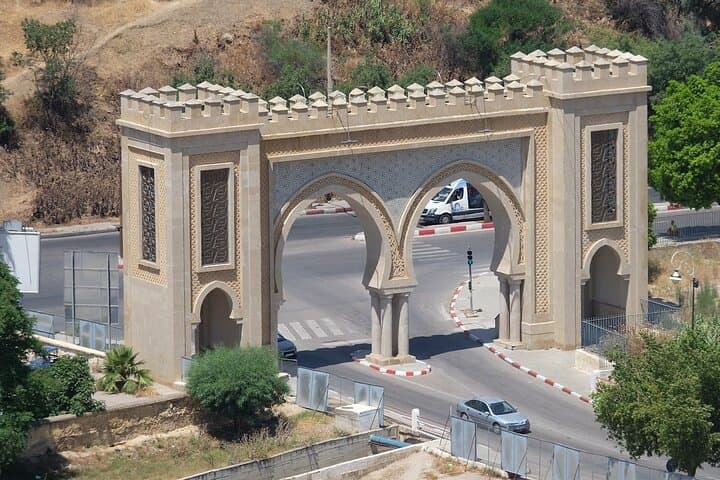
You climb the stone rampart as the city below unspools—flat terracotta roofs, a maze of alleys, and the blue curve of Bab Bou Jeloud catching the sun. Wind moves through the crenellations and, from this height, the medina’s scale becomes a readable map: gates, minarets, and the low green hills that cradle Fes.
Verified experiences and guided adventures in the surrounding area.
Operated by Bekben travel · Fes, Fès-Meknès
You climb the stone rampart as the city below unspools—flat terracotta roofs, a maze of alleys, and the blue curve of Bab Bou Jeloud catching the sun. Wind moves through the crenellations and, from this height, the medina’s scale becomes a readable map: gates, minarets, and the low green hills that cradle Fes.
The route traces layers of history. The bronze-studded gates of the Royal Palace mark Alaouite prestige while the Mellah (historic Jewish Quarter) records a different civic life—narrow balconies and distinct street patterns. Borj Nord and Borj Sud are Saadian-era hill forts whose stone faces were placed to command approaches to the city; from them the geology of the area—limestone ridges and red-earth terraces—frames wide, photographable panoramas.
Locals read the ramparts as much as visitors do: meeting points, lookout posts, and informal markets where artisans sell small wares to passersby. The tour balances those cultural snapshots with practical viewpoints—best light in late afternoon, quick stops for photos, and context about the city’s defensive ring.
Plan for walking on uneven stone, short stair sections, and variable shade. The private transfer means easy access to hilltop points, but bring sun protection, sensible shoes, and a camera with a wide-angle setting. Expect 2–3 hours on a relaxed schedule; guides typically include bottled water and local stories that make the city’s walls feel lived-in rather than museum-quiet. This is an accessible way to read Fes from above and orient yourself to its streets before you descend into the medina’s tight lanes.
easy.
2–3 hours.
Suitable for most fitness levels; involves urban walking, short uphill sections, and stairs.
No—the palace interior is closed to the public; the guide provides context and photo stops at the ornate gates only.
The private driver will collect you from your hotel or riad; guests inside the medina are usually picked up at the nearest gate.
Yes—infant seats can be provided in the vehicle and walking segments are short, but young children should be supervised on high ramparts.
This itinerary focuses on external viewpoints and city gates; any optional museum admissions are typically not included—confirm with the operator.
Borj Nord and Borj Sud were fortified by royal dynasties in the 16th century to control approaches to Fes; the Royal Palace gates reflect Alaouite-era ceremonial architecture.
The old medina is a living urban area—minimize waste, stay on established paths, and hire registered guides to support the local economy and preservation efforts.
Bekben travel operates guided outdoor trips and adventures with an emphasis on safety, stewardship, and memorable experiences.

You climb the stone rampart as the city below unspools—flat terracotta roofs, a maze of alleys, and the blue curve of Bab Bou Jeloud catching the sun. Wind moves through the crenellations and, from this height, the medina’s scale becomes a readable map: gates, minarets, and the low green hills that cradle Fes.
You climb the stone rampart as the city below unspools—flat terracotta roofs, a maze of alleys, and the blue curve of Bab Bou Jeloud catching the sun. Wind moves through the crenellations and, from this height, the medina’s scale becomes a readable map: gates, minarets, and the low green hills that cradle Fes.
The route traces layers of history. The bronze-studded gates of the Royal Palace mark Alaouite prestige while the Mellah (historic Jewish Quarter) records a different civic life—narrow balconies and distinct street patterns. Borj Nord and Borj Sud are Saadian-era hill forts whose stone faces were placed to command approaches to the city; from them the geology of the area—limestone ridges and red-earth terraces—frames wide, photographable panoramas.
Locals read the ramparts as much as visitors do: meeting points, lookout posts, and informal markets where artisans sell small wares to passersby. The tour balances those cultural snapshots with practical viewpoints—best light in late afternoon, quick stops for photos, and context about the city’s defensive ring.
Plan for walking on uneven stone, short stair sections, and variable shade. The private transfer means easy access to hilltop points, but bring sun protection, sensible shoes, and a camera with a wide-angle setting. Expect 2–3 hours on a relaxed schedule; guides typically include bottled water and local stories that make the city’s walls feel lived-in rather than museum-quiet. This is an accessible way to read Fes from above and orient yourself to its streets before you descend into the medina’s tight lanes.