THE ADVENTURE COLLECTIVE® · Independent discovery and booking for outdoor travel

Escape Fez for a full-day circuit through the Middle Atlas: cedar forests, Ifrane’s surprising architecture, and the Berber market town of Azrou where Barbary macaques live among ancient cedars. Expect cool mountain air, short forest walks, and a culturally rich, easy-paced day trip.
Escape Fez for a full-day circuit through the Middle Atlas: cedar forests, Ifrane’s surprising architecture, and the Berber market town of Azrou where Barbary macaques live among ancient cedars. Expect cool mountain air, short forest walks, and a culturally rich, easy-paced day trip.
You leave Fez as the city calms and the road climbs into cool air. Pine and cedar scent the van; low peaks rise and fall like quiet waves. By midmorning the tiled roofs and chimneys of Ifrane appear—storks perched above a town that looks unapologetically European—before the road narrows into the cedar groves where Barbary macaques move like punctuation among trunks.
Verified experiences and guided adventures in the surrounding area.
Operated by Happy Moroccan Tours · Azrou, Fès-Meknès
You leave Fez as the city calms and the road climbs into cool air. Pine and cedar scent the van; low peaks rise and fall like quiet waves. By midmorning the tiled roofs and chimneys of Ifrane appear—storks perched above a town that looks unapologetically European—before the road narrows into the cedar groves where Barbary macaques move like punctuation among trunks.
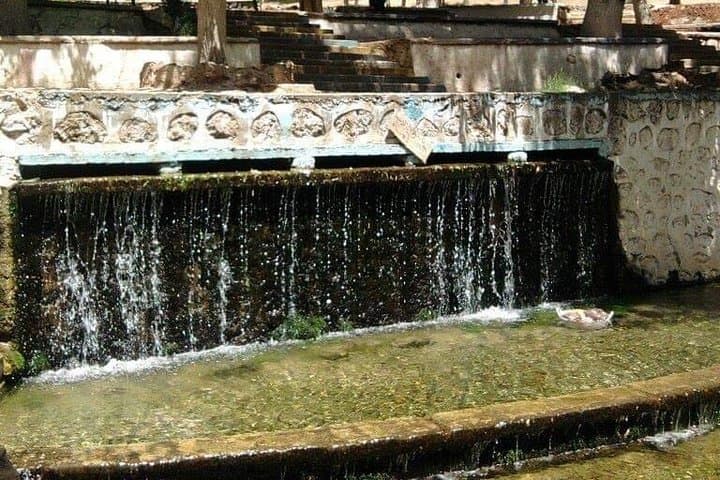
Geology here is blunt and honest: the Middle Atlas is a high, folded plateau of limestone and sandstone, carved with streams and held at altitude by past tectonic lifts. The human story is layered too—Berber villages and markets in Azrou, and a French colonial imprint in Ifrane’s architecture—making this stretch of Morocco feel both remote and familiar.
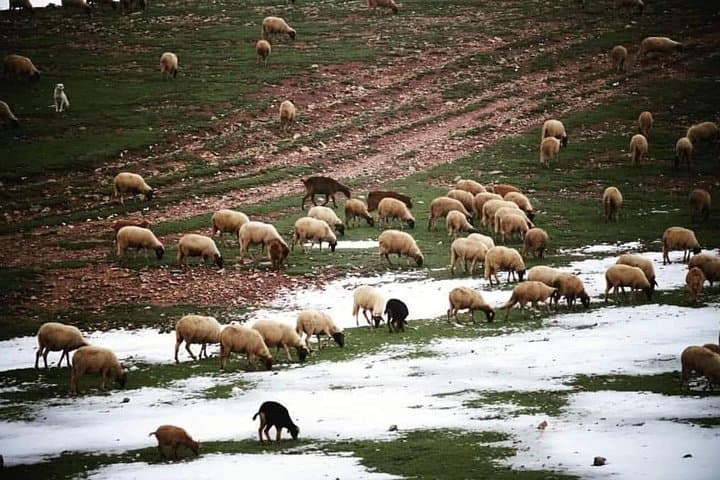
Culture shows up in small ways: artisans at the Azrou square, seasonal market rhythms, and the local practice of grazing livestock along forest edges. Wildlife is bold but not tame; monkeys will approach, but feeding them alters behavior and the forest’s balance.
Practical guidance: plan for a full day (roughly nine hours door-to-door from Fez), dress in layers—mornings are cool, afternoons can be warm—bring water, and wear sturdy shoes for short walks on uneven forest paths. Respect wildlife and local customs: ask before photographing people, avoid hand-feeding animals, and carry small change for market stalls.
This trip is low-impact adventure with high payoff: sweeping cedar stands, quick cultural stops, and a chance to watch mountain life at human pace—accessible, immediate, and distinctly Moroccan.
easy.
9 hours.
Suitable for most travelers who can handle a day of light walking and short uneven trails
The tour runs about nine hours door-to-door with hotel pickup and drop-off in Fez.
Yes—Azrou’s cedar groves commonly host Barbary macaques, though sightings vary by season and time of day.
Yes; the tour is rated easy with short walks, but it’s not recommended for people with serious back, heart, or pregnancy restrictions.
Yes; the town square and nearby stalls offer woodwork, textiles, and small souvenirs—cash is preferred.
Ifrane’s chalet-style buildings reflect French colonial-era planning, while Azrou remains a center for Berber market traditions tied to transhumant pastoralism.
Cedar forests are fragile: avoid trampling undergrowth, do not feed wildlife, and support local guides who follow leave-no-trace practices.
Happy Moroccan Tours operates guided outdoor trips and adventures with an emphasis on safety, stewardship, and memorable experiences.
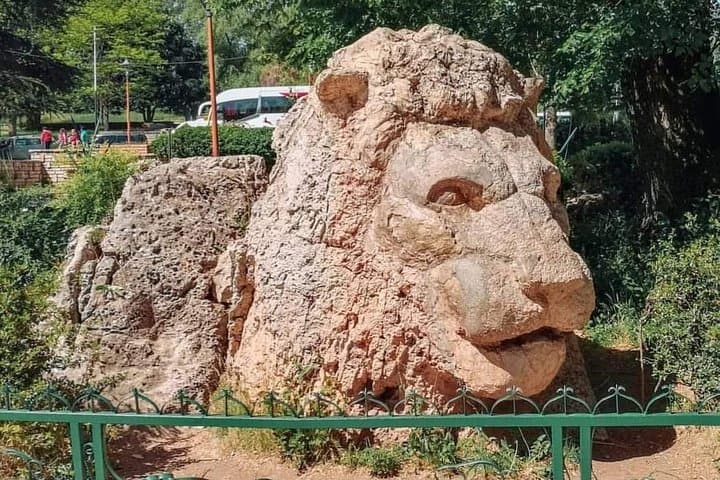
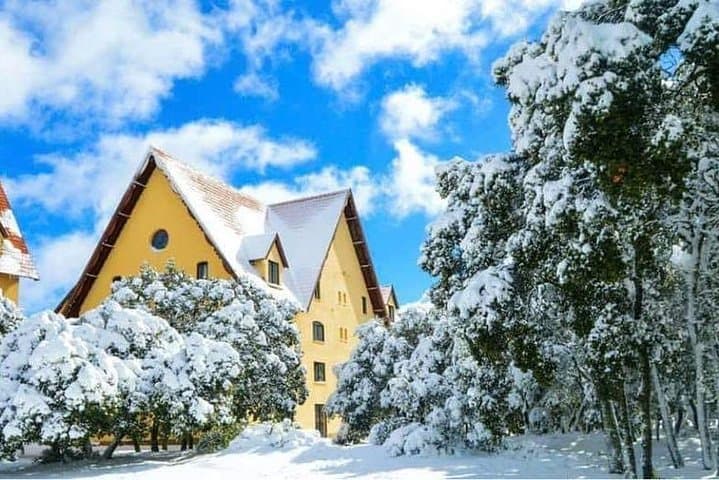
You leave Fez as the city calms and the road climbs into cool air. Pine and cedar scent the van; low peaks rise and fall like quiet waves. By midmorning the tiled roofs and chimneys of Ifrane appear—storks perched above a town that looks unapologetically European—before the road narrows into the cedar groves where Barbary macaques move like punctuation among trunks.
You leave Fez as the city calms and the road climbs into cool air. Pine and cedar scent the van; low peaks rise and fall like quiet waves. By midmorning the tiled roofs and chimneys of Ifrane appear—storks perched above a town that looks unapologetically European—before the road narrows into the cedar groves where Barbary macaques move like punctuation among trunks.
Geology here is blunt and honest: the Middle Atlas is a high, folded plateau of limestone and sandstone, carved with streams and held at altitude by past tectonic lifts. The human story is layered too—Berber villages and markets in Azrou, and a French colonial imprint in Ifrane’s architecture—making this stretch of Morocco feel both remote and familiar.
Culture shows up in small ways: artisans at the Azrou square, seasonal market rhythms, and the local practice of grazing livestock along forest edges. Wildlife is bold but not tame; monkeys will approach, but feeding them alters behavior and the forest’s balance.
Practical guidance: plan for a full day (roughly nine hours door-to-door from Fez), dress in layers—mornings are cool, afternoons can be warm—bring water, and wear sturdy shoes for short walks on uneven forest paths. Respect wildlife and local customs: ask before photographing people, avoid hand-feeding animals, and carry small change for market stalls.
This trip is low-impact adventure with high payoff: sweeping cedar stands, quick cultural stops, and a chance to watch mountain life at human pace—accessible, immediate, and distinctly Moroccan.