THE ADVENTURE COLLECTIVE® · Independent discovery and booking for outdoor travel

Escape Fez for a day into the cool forests and alpine towns of the Middle Atlas. Visit Ifrane’s chimneys and stork nests, gaze across Lake Daiet Aoua, and walk among the cedar giants near Azrou.
Escape Fez for a day into the cool forests and alpine towns of the Middle Atlas. Visit Ifrane’s chimneys and stork nests, gaze across Lake Daiet Aoua, and walk among the cedar giants near Azrou.
A crisp morning in Fez and the road pulls you toward higher air: the car climbs out of the city and the buildings thin into fields and stone walls, then into the cool pines of the Middle Atlas. You pass Immouzer’s low-slung houses, catch the mirror-still surface of Lake Daiet Aoua, and arrive in Ifrane — a town whose pitched roofs and stork nests make it feel unexpectedly European before the cedars reshape the view.
Verified experiences and guided adventures in the surrounding area.
Operated by CHRIF TRANS & TRAVEL · Ifrane, Fès-Meknès
A crisp morning in Fez and the road pulls you toward higher air: the car climbs out of the city and the buildings thin into fields and stone walls, then into the cool pines of the Middle Atlas. You pass Immouzer’s low-slung houses, catch the mirror-still surface of Lake Daiet Aoua, and arrive in Ifrane — a town whose pitched roofs and stork nests make it feel unexpectedly European before the cedars reshape the view.
Geology here is clear: older limestone and sandstone folded into plateaus then sliced by rivers, creating the cool, forested highlands that capture Morocco’s rain. Culturally the area blends Amazigh (Berber) villages, French-era alpine architecture in Ifrane, and local woodworking traditions seen in Azrou’s market square. The cedars of the Middle Atlas are ecological anchors — deep-rooted, ancient, and home to the Barbary macaque.
Expect short walks in cedar groves, roadside lookouts over terraced fields, and a stop beneath a towering cedar where you may see macaques foraging. The full loop is typically 6–7 hours from Fez, paced with photo stops and a relaxed midday pause in a village café.
Practical guidance: bring layers (mountain weather changes fast), comfortable walking shoes for uneven forest floors, and cash for small village purchases. If traveling in winter, prepare for snow around Michlifen and potential closures; spring brings wildflowers and the clearest hiking conditions. The tour suits travelers who want scenic drives with light walking rather than strenuous trekking.
easy.
6–7 hours.
Suitable for most fitness levels; involves light walking on uneven forest trails and short stands.
Trips depart from central Fez and return there the same day; pickup locations are usually arranged at booking.
Yes — the itinerary is paced with vehicle transfers and short walks, making it family- and senior-friendly.
There’s a good chance in cedar groves near Azrou, but sightings vary; keep distance and don’t feed wildlife.
Michlifen and higher passes can be snowy; the operator monitors conditions and may adjust timing or stops for safety.
Ifrane developed as a French colonial hill station in the early 20th century and retains alpine-style architecture alongside Amazigh traditions in surrounding villages.
The cedar forests face pressure from grazing and fire; visitors support conservation by staying on paths, avoiding feeding wildlife, and buying from local, sustainable artisans.
CHRIF TRANS & TRAVEL operates guided outdoor trips and adventures with an emphasis on safety, stewardship, and memorable experiences.

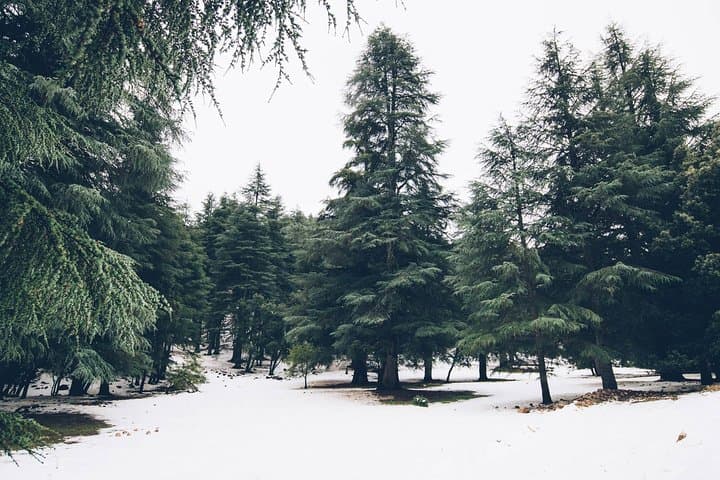


A crisp morning in Fez and the road pulls you toward higher air: the car climbs out of the city and the buildings thin into fields and stone walls, then into the cool pines of the Middle Atlas. You pass Immouzer’s low-slung houses, catch the mirror-still surface of Lake Daiet Aoua, and arrive in Ifrane — a town whose pitched roofs and stork nests make it feel unexpectedly European before the cedars reshape the view.
A crisp morning in Fez and the road pulls you toward higher air: the car climbs out of the city and the buildings thin into fields and stone walls, then into the cool pines of the Middle Atlas. You pass Immouzer’s low-slung houses, catch the mirror-still surface of Lake Daiet Aoua, and arrive in Ifrane — a town whose pitched roofs and stork nests make it feel unexpectedly European before the cedars reshape the view.
Geology here is clear: older limestone and sandstone folded into plateaus then sliced by rivers, creating the cool, forested highlands that capture Morocco’s rain. Culturally the area blends Amazigh (Berber) villages, French-era alpine architecture in Ifrane, and local woodworking traditions seen in Azrou’s market square. The cedars of the Middle Atlas are ecological anchors — deep-rooted, ancient, and home to the Barbary macaque.
Expect short walks in cedar groves, roadside lookouts over terraced fields, and a stop beneath a towering cedar where you may see macaques foraging. The full loop is typically 6–7 hours from Fez, paced with photo stops and a relaxed midday pause in a village café.
Practical guidance: bring layers (mountain weather changes fast), comfortable walking shoes for uneven forest floors, and cash for small village purchases. If traveling in winter, prepare for snow around Michlifen and potential closures; spring brings wildflowers and the clearest hiking conditions. The tour suits travelers who want scenic drives with light walking rather than strenuous trekking.