THE ADVENTURE COLLECTIVE® · Independent discovery and booking for outdoor travel

Walk the lanes of Fez with a local guide and skip the lines at key monuments. This private 3–5 hour experience pairs artisan visits, mint tea stops, and UNESCO history inside one of the oldest living medinas.
Walk the lanes of Fez with a local guide and skip the lines at key monuments. This private 3–5 hour experience pairs artisan visits, mint tea stops, and UNESCO history inside one of the oldest living medinas.
You step through Bab Boujloud and the city rearranges itself — alleys tilt into shadow, the call to prayer threads overhead, and the air carries spices and leather. A local guide threads the group through lanes where sunlight sketches zellige tiles and brassware catches glints like small moons. The maze feels intentional; every turn reveals a courtyard, a fountain, a raw dye pit where centuries of craft continue.
Verified experiences and guided adventures in the surrounding area.
Operated by Morocco Medinas Tours · Fez, Fès-Meknès
You step through Bab Boujloud and the city rearranges itself — alleys tilt into shadow, the call to prayer threads overhead, and the air carries spices and leather. A local guide threads the group through lanes where sunlight sketches zellige tiles and brassware catches glints like small moons. The maze feels intentional; every turn reveals a courtyard, a fountain, a raw dye pit where centuries of craft continue.
Fez al-Bali is one of the world’s most intact medieval medinas. Founded and expanded across successive dynasties, the city centers around institutions like the University of Al Quaraouiyine (est. 859 AD) and tanneries still using timeworn methods. Geologically, the medina sits on the Saïss plateau’s edge, with clay-rich soils that influenced local brick and tile production; the narrow streets were laid for foot traffic, not modern vehicles.
This private, 3–5 hour guided walk moves at a steady cultural pace — visits typically include Bab Boujloud, the historic university façade, leather-working pits, artisan souks, and a stop for mint tea. Expect cobbles, short stone steps, and crowded thresholds; the day is sensory and tactile: metalwork ringing, leather dyes steaming, and the faint citrus-sour tang of soapmakers.
Practical notes: travel light, wear supportive shoes for uneven cobbles, and carry cash for small purchases. Morning departures are cooler and less crowded; midafternoon can be hot and lively. Guides explain craft techniques and etiquette — ask before photographing people or workshops. Entrance fees for listed monuments are included, but small tips for artisans and your guide are customary. This tour is cultural, low-impact, and ideal for anyone comfortable walking 2–4 miles on uneven surfaces.
easy.
3–5 hours.
Basic walking fitness—expect up to 2–4 miles over uneven cobblestones with short flights of steps.
Yes — the tour lists monument entrances as included in the price for the sites visited in the itinerary.
Transport options are listed as wheelchair accessible, but the medina’s narrow alleys and uneven cobbles can limit access to some areas; discuss needs with the operator when booking.
Guides are local and commonly offer services in English and French; confirm language availability at booking.
This is offered as a private tour with small group sizes to allow personalized pacing and access to off-the-beaten-path corners.
Fez’s medina dates to the early medieval era and hosts the University of Al Quaraouiyine (founded 859 AD), a center of learning and Islamic scholarship for over a millennium.
The medina’s fabric is fragile; support local artisans directly, avoid single-use plastics, and follow your guide’s instructions to reduce wear on narrow historic lanes.
Morocco Medinas Tours operates guided outdoor trips and adventures with an emphasis on safety, stewardship, and memorable experiences.
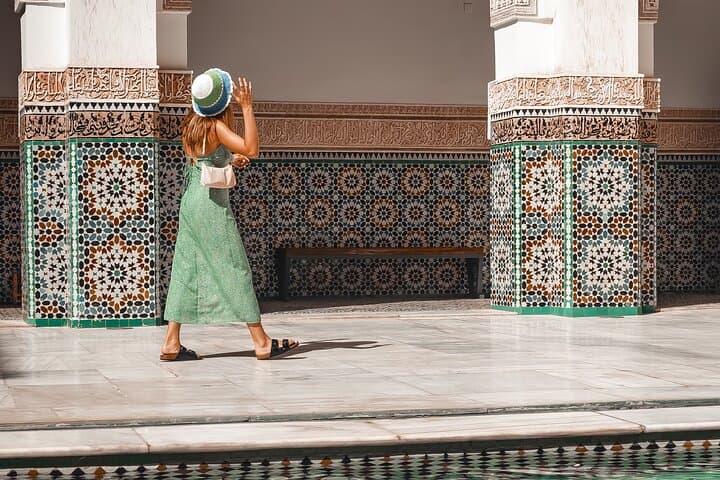
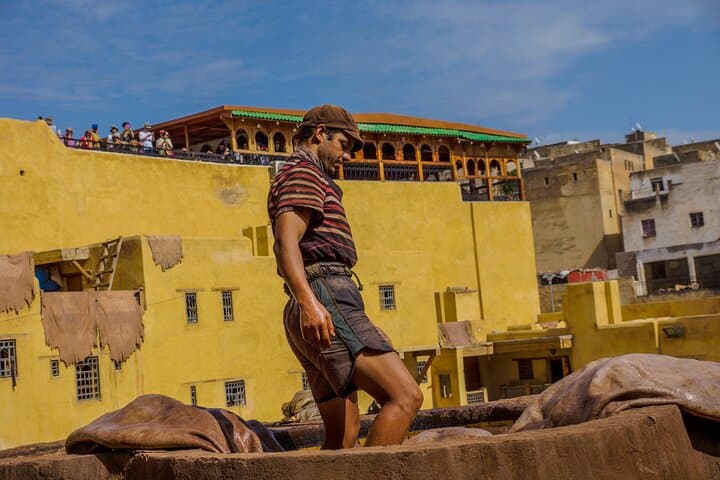
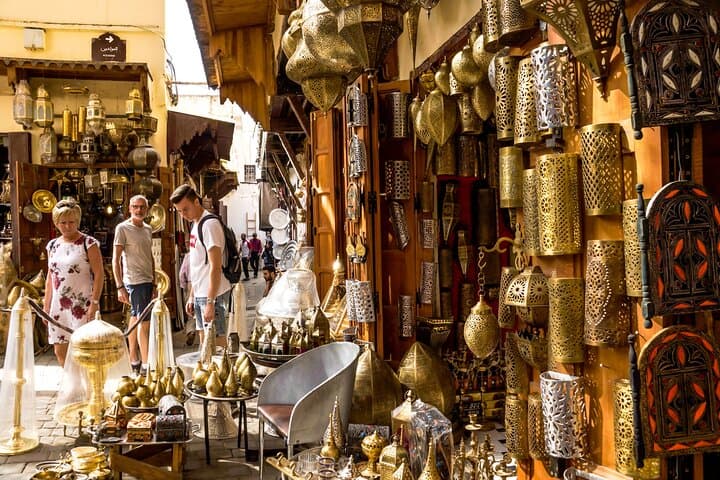
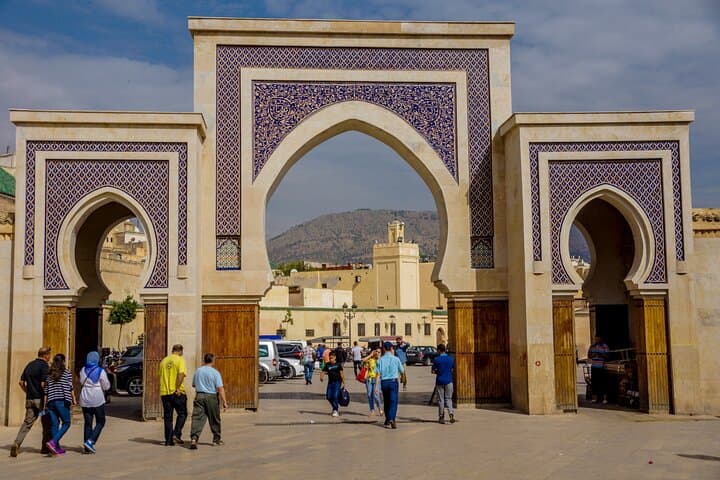
You step through Bab Boujloud and the city rearranges itself — alleys tilt into shadow, the call to prayer threads overhead, and the air carries spices and leather. A local guide threads the group through lanes where sunlight sketches zellige tiles and brassware catches glints like small moons. The maze feels intentional; every turn reveals a courtyard, a fountain, a raw dye pit where centuries of craft continue.
You step through Bab Boujloud and the city rearranges itself — alleys tilt into shadow, the call to prayer threads overhead, and the air carries spices and leather. A local guide threads the group through lanes where sunlight sketches zellige tiles and brassware catches glints like small moons. The maze feels intentional; every turn reveals a courtyard, a fountain, a raw dye pit where centuries of craft continue.
Fez al-Bali is one of the world’s most intact medieval medinas. Founded and expanded across successive dynasties, the city centers around institutions like the University of Al Quaraouiyine (est. 859 AD) and tanneries still using timeworn methods. Geologically, the medina sits on the Saïss plateau’s edge, with clay-rich soils that influenced local brick and tile production; the narrow streets were laid for foot traffic, not modern vehicles.
This private, 3–5 hour guided walk moves at a steady cultural pace — visits typically include Bab Boujloud, the historic university façade, leather-working pits, artisan souks, and a stop for mint tea. Expect cobbles, short stone steps, and crowded thresholds; the day is sensory and tactile: metalwork ringing, leather dyes steaming, and the faint citrus-sour tang of soapmakers.
Practical notes: travel light, wear supportive shoes for uneven cobbles, and carry cash for small purchases. Morning departures are cooler and less crowded; midafternoon can be hot and lively. Guides explain craft techniques and etiquette — ask before photographing people or workshops. Entrance fees for listed monuments are included, but small tips for artisans and your guide are customary. This tour is cultural, low-impact, and ideal for anyone comfortable walking 2–4 miles on uneven surfaces.