THE ADVENTURE COLLECTIVE® · Independent discovery and booking for outdoor travel

A compact 2-day loop from Fes to the Erg Chebbi dunes, combining cedar forests, the Ziz Valley palm oases, and an overnight in a private nomad tent with camel trek at sunset and sunrise. Expect long drives, dramatic light on the sand, and an authentic desert camp experience.
A compact 2-day loop from Fes to the Erg Chebbi dunes, combining cedar forests, the Ziz Valley palm oases, and an overnight in a private nomad tent with camel trek at sunset and sunrise. Expect long drives, dramatic light on the sand, and an authentic desert camp experience.
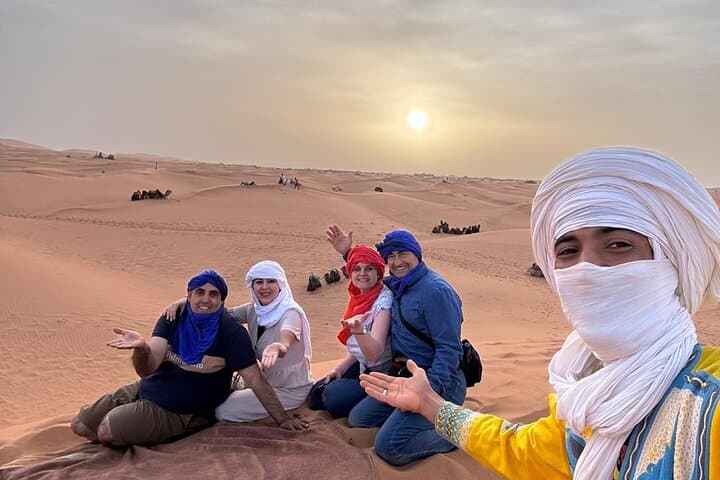
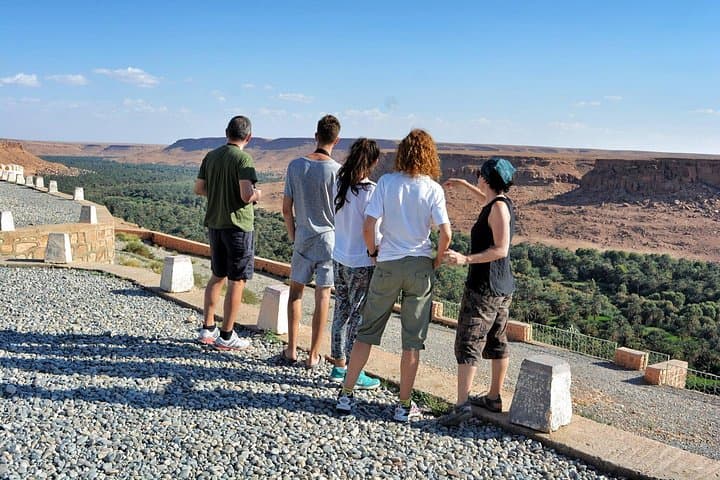
You leave Fes before dawn and the city lights sink behind the Atlas foothills. The road climbs into the Middle Atlas where cedar forests frame the highway and air tastes like pine and cold earth. By midafternoon the landscape thins; the Ziz Valley’s ribbon of palms appears, a green scar against ochre rock, and finally the Erg Chebbi dunes rise—gold ridges that shift with every gust.
Verified experiences and guided adventures in the surrounding area.
Operated by Sahara Merzouga · Merzouga, Errachidia Province
You leave Fes before dawn and the city lights sink behind the Atlas foothills. The road climbs into the Middle Atlas where cedar forests frame the highway and air tastes like pine and cold earth. By midafternoon the landscape thins; the Ziz Valley’s ribbon of palms appears, a green scar against ochre rock, and finally the Erg Chebbi dunes rise—gold ridges that shift with every gust.
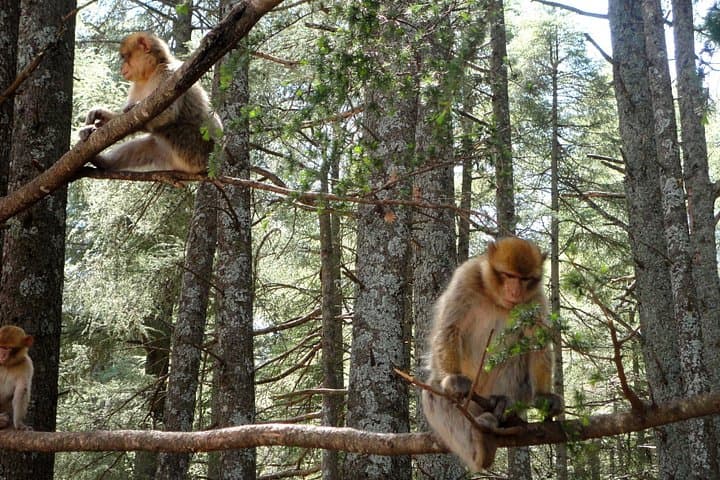
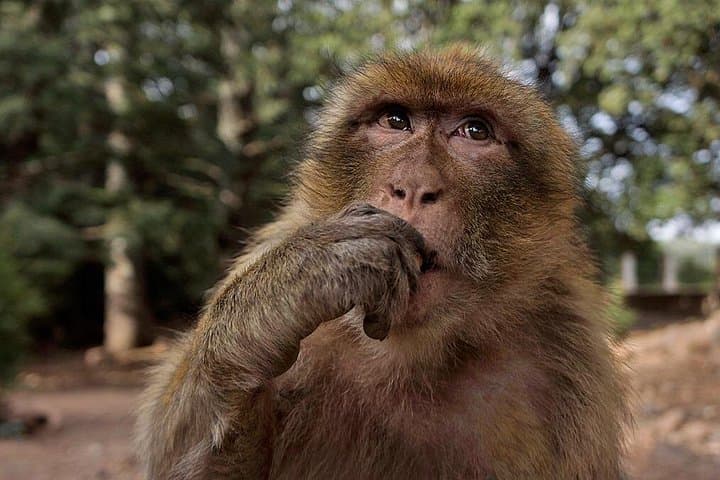
This route threads together natural and human history: Ifrane’s Alpine-style architecture from the French protectorate era, the ancient cedar stands that shelter Barbary macaques, and the caravan-era oases of the Ziz where dates were traded for centuries. Geologically, the trek moves from limestone highlands through alluvial valleys to wind-sculpted sand—dunes that move and re-form at the mercy of seasonal winds.
Culture is immediate: local towns punctuate long drives, small markets sell spiced tea, and at the dunes nomad hosts set up private tents, sharing music and firelight. Practicalities matter: desert days are hot, nights cold; the camel trek to camp is short but involves walking on sand and stepping up wooden saddles. Bring layers, sun protection, and a sense of patience for long transfers—the reward is watching the sun melt into the dunes and rising with it the next morning.
Timing your visit for sunset and sunrise over Erg Chebbi gives the most dramatic light. Hydrate before setting out, secure valuables against fine sand, and plan for cash purchases in remote villages. The trip balances road travel with encounters—an accessible, sensory introduction to Morocco’s eastern Sahara.
moderate.
2 days.
Suitable for travelers in average fitness—long vehicle hours plus short camel rides and dune walks require basic stamina
No—camel rides on this tour are short and guided; staff assist with mounting and dismounting, but inform them if you have mobility concerns.
Overnight is in private nomad-style tents; amenities vary but typically include mattresses and blankets—bring a warm layer for cold nights and a small flashlight.
Most operators include hotel pickup within Fes; confirm your pickup point when booking and provide full names and any mobility needs.
Tour providers often allow children but some advise against pregnant travelers or those with serious heart conditions—check restrictions and medical guidance before booking.
The route follows traditional caravan corridors linking Atlas highlands to Saharan oases; many small towns grew as trade and date-processing centers over centuries.
The Erg Chebbi dunes are sensitive to vehicle traffic and litter—stick to marked camel routes, pack out waste, and support local guides who practice low-impact camping.
Sahara Merzouga operates guided outdoor trips and adventures with an emphasis on safety, stewardship, and memorable experiences.
You leave Fes before dawn and the city lights sink behind the Atlas foothills. The road climbs into the Middle Atlas where cedar forests frame the highway and air tastes like pine and cold earth. By midafternoon the landscape thins; the Ziz Valley’s ribbon of palms appears, a green scar against ochre rock, and finally the Erg Chebbi dunes rise—gold ridges that shift with every gust.
You leave Fes before dawn and the city lights sink behind the Atlas foothills. The road climbs into the Middle Atlas where cedar forests frame the highway and air tastes like pine and cold earth. By midafternoon the landscape thins; the Ziz Valley’s ribbon of palms appears, a green scar against ochre rock, and finally the Erg Chebbi dunes rise—gold ridges that shift with every gust.
This route threads together natural and human history: Ifrane’s Alpine-style architecture from the French protectorate era, the ancient cedar stands that shelter Barbary macaques, and the caravan-era oases of the Ziz where dates were traded for centuries. Geologically, the trek moves from limestone highlands through alluvial valleys to wind-sculpted sand—dunes that move and re-form at the mercy of seasonal winds.
Culture is immediate: local towns punctuate long drives, small markets sell spiced tea, and at the dunes nomad hosts set up private tents, sharing music and firelight. Practicalities matter: desert days are hot, nights cold; the camel trek to camp is short but involves walking on sand and stepping up wooden saddles. Bring layers, sun protection, and a sense of patience for long transfers—the reward is watching the sun melt into the dunes and rising with it the next morning.
Timing your visit for sunset and sunrise over Erg Chebbi gives the most dramatic light. Hydrate before setting out, secure valuables against fine sand, and plan for cash purchases in remote villages. The trip balances road travel with encounters—an accessible, sensory introduction to Morocco’s eastern Sahara.