THE ADVENTURE COLLECTIVE® · Independent discovery and booking for outdoor travel

Cross Morocco from Fes to Marrakech in six days: medinas, cedar forests, Todgha Gorge, and the golden dunes of Erg Chebbi. This private tour pairs cultural highlights with desert nights and mountain passes.
Cross Morocco from Fes to Marrakech in six days: medinas, cedar forests, Todgha Gorge, and the golden dunes of Erg Chebbi. This private tour pairs cultural highlights with desert nights and mountain passes.
The road leaves Fes before dawn and the Atlas foothills push against the windows—olive terraces, stone villages, and the distant ridge of Tizi n’Tichka rising to 2,260 m.
Verified experiences and guided adventures in the surrounding area.
Operated by Fez Luxury Tours · Fes, Fès-Meknès
The road leaves Fes before dawn and the Atlas foothills push against the windows—olive terraces, stone villages, and the distant ridge of Tizi n’Tichka rising to 2,260 m.
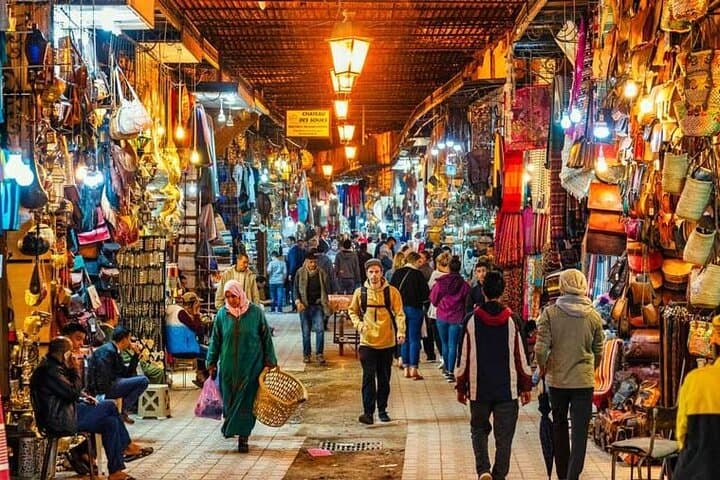
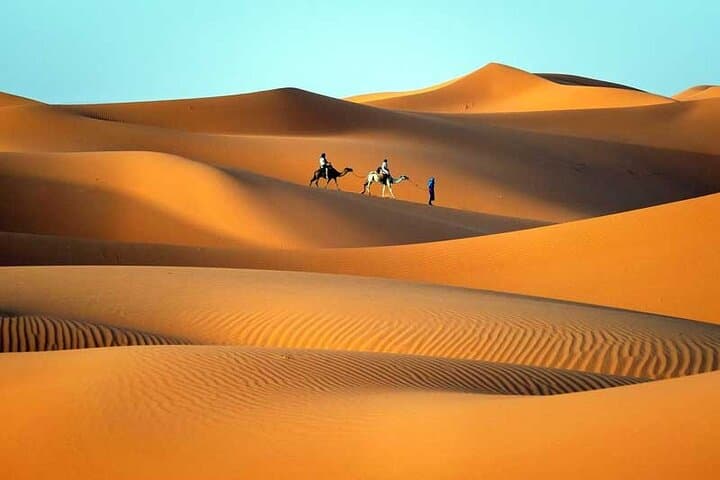
Over six days this private circuit threads historic medinas with Sahara dunes and high passes: aromatic spice stalls in Fes give way to cedar-scented plateaus near Ifrane, then long desert highway runs into Merzouga where Erg Chebbi’s rolling dunes can rise up to 150 metres and the sunset seems to set the sand in motion. The journey continues through the narrow, sun-cut fingers of the Todgha Gorge (cliffs to roughly 160 m), the rosy fields around Megouna, and the adobe silhouette of Ait Ben Haddou—a UNESCO ksar that marks centuries of caravan trade and film history.
Geology here is obvious: ancient sedimentary basins sculpted into gorges, wind-sorted sands in the Sahara, and the shattered limestone of the High Atlas. Culture is equally immediate—Berber hospitality in small villages, Gnawa music in Khamlia, and markets where cash and bargaining rule daily life.
Practical notes: expect multiple 3–8 hour driving days, light walking at gorges and medinas, and a 1–2 hour camel trek to your desert bivouac. Bring layered clothing for desert nights, sun protection, and compact footwear for rocky paths and sand. Carry local dirhams for small purchases and tips; mobile coverage is intermittent in canyons and around dunes. Travel at a measured pace here—the landscapes reward patience, not speed.
moderate.
6 days.
Suitable for travelers in light to moderate fitness; involves short hikes, standing on uneven sand, and optional camel trek.
No—this private tour is paced for general travelers; you should be comfortable walking short distances on uneven ground and climbing dune slopes.
Most breakfasts and several dinners are included, plus nights in hotels and a luxury desert bivouac as described in the itinerary.
Typical camel rides to the bivouac are 1–2 hours at a gentle pace, timed to reach the dunes before sunset.
The operator notes accessibility for a wide range of travelers, but camel riding and dune walking require basic mobility; discuss needs at booking for tailored pickup or vehicle options.
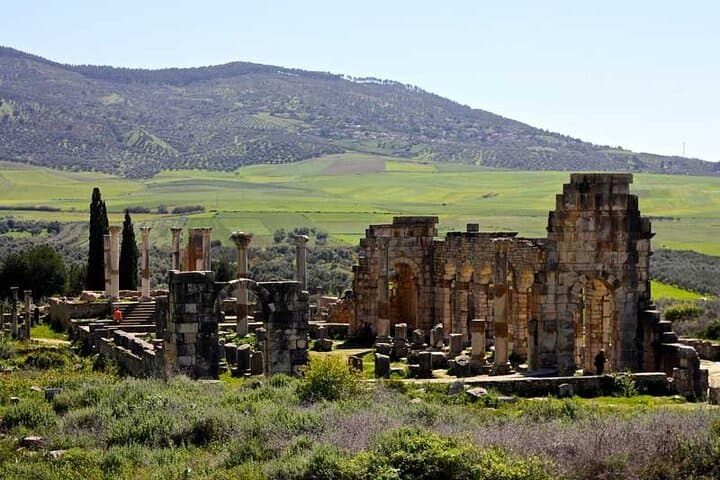
The route follows ancient trans-Saharan and caravan pathways; Ait Ben Haddou is a fortified ksar that guarded trade routes and later served as a film location.
Water scarcity and fragile dune ecosystems make low-impact travel important—use local guides, avoid littering, and support village cooperatives to keep tourism sustainable.
Fez Luxury Tours operates guided outdoor trips and adventures with an emphasis on safety, stewardship, and memorable experiences.

The road leaves Fes before dawn and the Atlas foothills push against the windows—olive terraces, stone villages, and the distant ridge of Tizi n’Tichka rising to 2,260 m.
The road leaves Fes before dawn and the Atlas foothills push against the windows—olive terraces, stone villages, and the distant ridge of Tizi n’Tichka rising to 2,260 m.
Over six days this private circuit threads historic medinas with Sahara dunes and high passes: aromatic spice stalls in Fes give way to cedar-scented plateaus near Ifrane, then long desert highway runs into Merzouga where Erg Chebbi’s rolling dunes can rise up to 150 metres and the sunset seems to set the sand in motion. The journey continues through the narrow, sun-cut fingers of the Todgha Gorge (cliffs to roughly 160 m), the rosy fields around Megouna, and the adobe silhouette of Ait Ben Haddou—a UNESCO ksar that marks centuries of caravan trade and film history.
Geology here is obvious: ancient sedimentary basins sculpted into gorges, wind-sorted sands in the Sahara, and the shattered limestone of the High Atlas. Culture is equally immediate—Berber hospitality in small villages, Gnawa music in Khamlia, and markets where cash and bargaining rule daily life.
Practical notes: expect multiple 3–8 hour driving days, light walking at gorges and medinas, and a 1–2 hour camel trek to your desert bivouac. Bring layered clothing for desert nights, sun protection, and compact footwear for rocky paths and sand. Carry local dirhams for small purchases and tips; mobile coverage is intermittent in canyons and around dunes. Travel at a measured pace here—the landscapes reward patience, not speed.