
Fes to Marrakech: 5-Day Merzouga Desert Tour with Camel Ride and Atlas Pass
Cross from Fes to Marrakech over five days of cedar forests, palm oases, dramatic gorges and the rising dunes of Erg Chebbi. Expect long drives, a sunset camel ride, a luxury desert camp night and cultural stops in kasbahs and souks.
An Adventure In Merzouga.
Cross from Fes to Marrakech over five days of cedar forests, palm oases, dramatic gorges and the rising dunes of Erg Chebbi. Expect long drives, a sunset camel ride, a luxury desert camp night and cultural stops in kasbahs and souks.
Read the full experience
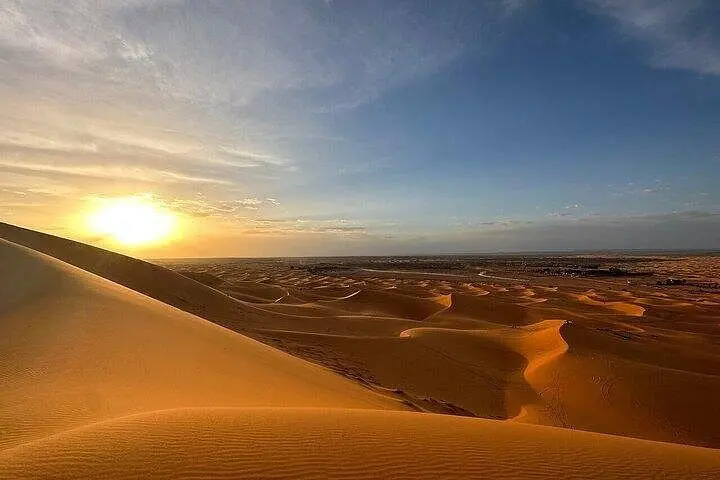
The van slips out of Fes before dawn, the city’s mosaic of rooftop terraces shrinking as the road climbs toward the Atlas. By mid-morning the cedar forests and the chatter of Barbary macaques give way to a landscape that grows drier and more elemental; the Ziz River carves a ribbon of green through red earth and the dunes of Erg Chebbi begin to rise like a moving horizon that dares you closer.
The van slips out of Fes before dawn, the city’s mosaic of rooftop terraces shrinking as the road climbs toward the Atlas. By mid-morning the cedar forests and the chatter of Barbary macaques give way to a landscape that grows drier and more elemental; the Ziz River carves a ribbon of green through red earth and the dunes of Erg Chebbi begin to rise like a moving horizon that dares you closer.
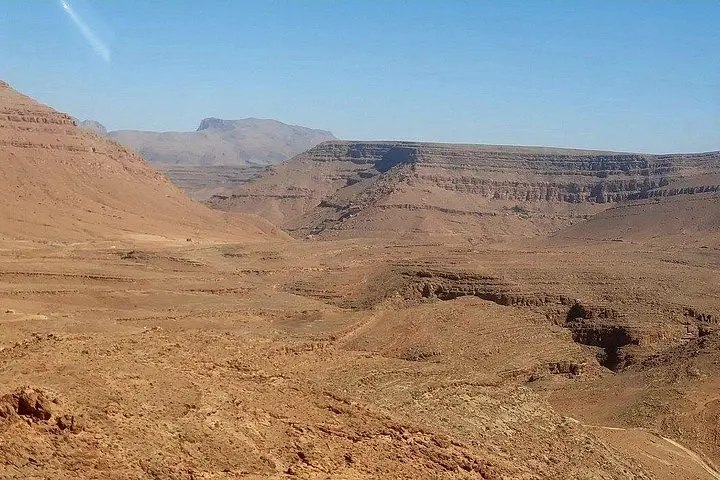
This five-day route threads Morocco’s layered history—Imperial Fes, fortified kasbahs of the Dades, the film-ready façades of Ait Ben Haddou—and the geology of high plateaus dropping into canyoned gorges carved by seasonal rivers. Culture is constant: market rhythms in Rissani, Gnaoua music in Khamlia, and nomad hospitality around Merzouga’s lantern-lit camps.
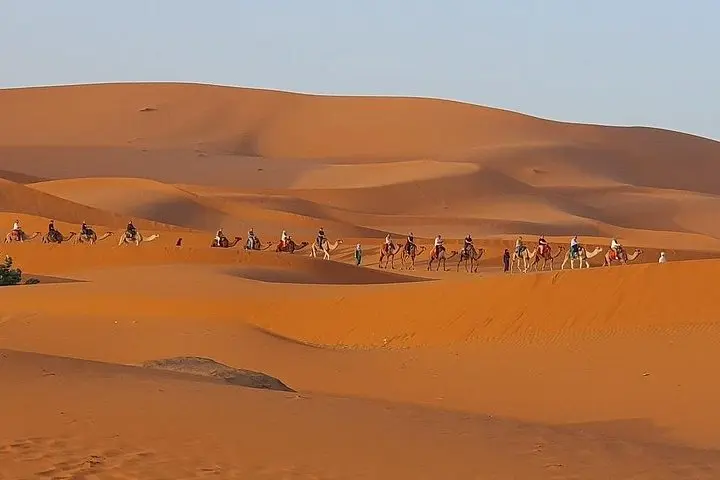
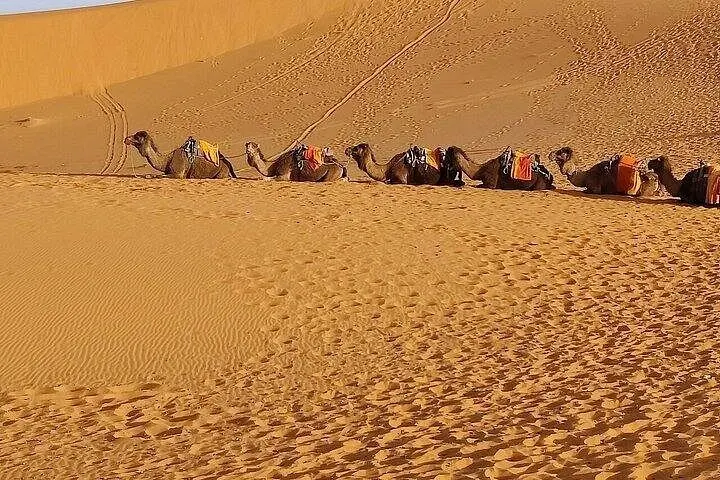
Expect long driving days (several stretches of 3–5 hours) punctuated by short walks, a camel trek at sunset, a night in a luxury tent under clear desert sky, and visits to palm groves and limestone gorges. Terrain ranges from paved highways to sandy tracks and rocky valley roads; elevations climb briefly over the High Atlas passes.
Practical guidance: carry layered clothing for temperature swings, sun protection and at least 2–3 liters of water per person for desert segments, and a small daypack for hikes and village visits. Bring cash for souks and gratuities—ATMs are intermittent outside major towns. Timing trips for spring or fall offers milder temperatures; winter brings cold nights, summer brings intense heat. With basic fitness and a tolerance for travel, this itinerary delivers a textured, accessible crossing of Morocco’s most dramatic landscapes.
Frequently asked questions
No—camel treks are guided, short (usually 1–2 hours each way for sunset/sunrise), and staff assist with mounting and dismounting.
The advertised “luxury” desert camp typically provides mattress beds, blankets, and shared or private tent facilities; expect basic plumbing and camp-style dining.
Most breakfasts and dinners are included as listed; carry extra water for daytime desert segments where refill points are limited.
Some sites are accessible, but the trip includes sandy and uneven terrain; notify the operator of mobility needs for possible modifications and transport options.
About This Experience
Desert Life Tours operates guided outdoor trips and adventures with an emphasis on safety, stewardship, and memorable experiences.
Adventure tips
Recommended gear
- Daypack (20–30L): Holds water, camera, layers and sun protection for on-the-road stops and short hikes.
- Sun protection (hat, SPF 30+, sunglasses): Crucial for desert daytime exposure and reflective sand glare.
- Insulating layer (fleece or light down): Desert nights and High Atlas passes get cold—pack a warm mid-layer for camp and evening stops.
- Sturdy walking shoes: Support and grip for gorges, palm groves and uneven village streets.
Photos of the experience
Related adventures & guides
Read the full experience
The van slips out of Fes before dawn, the city’s mosaic of rooftop terraces shrinking as the road climbs toward the Atlas. By mid-morning the cedar forests and the chatter of Barbary macaques give way to a landscape that grows drier and more elemental; the Ziz River carves a ribbon of green through red earth and the dunes of Erg Chebbi begin to rise like a moving horizon that dares you closer.
The van slips out of Fes before dawn, the city’s mosaic of rooftop terraces shrinking as the road climbs toward the Atlas. By mid-morning the cedar forests and the chatter of Barbary macaques give way to a landscape that grows drier and more elemental; the Ziz River carves a ribbon of green through red earth and the dunes of Erg Chebbi begin to rise like a moving horizon that dares you closer.
This five-day route threads Morocco’s layered history—Imperial Fes, fortified kasbahs of the Dades, the film-ready façades of Ait Ben Haddou—and the geology of high plateaus dropping into canyoned gorges carved by seasonal rivers. Culture is constant: market rhythms in Rissani, Gnaoua music in Khamlia, and nomad hospitality around Merzouga’s lantern-lit camps.
Expect long driving days (several stretches of 3–5 hours) punctuated by short walks, a camel trek at sunset, a night in a luxury tent under clear desert sky, and visits to palm groves and limestone gorges. Terrain ranges from paved highways to sandy tracks and rocky valley roads; elevations climb briefly over the High Atlas passes.
Practical guidance: carry layered clothing for temperature swings, sun protection and at least 2–3 liters of water per person for desert segments, and a small daypack for hikes and village visits. Bring cash for souks and gratuities—ATMs are intermittent outside major towns. Timing trips for spring or fall offers milder temperatures; winter brings cold nights, summer brings intense heat. With basic fitness and a tolerance for travel, this itinerary delivers a textured, accessible crossing of Morocco’s most dramatic landscapes.
Make a day of it nearby.
Verified experiences and guided adventures in the surrounding area.