THE ADVENTURE COLLECTIVE® · Independent discovery and booking for outdoor travel

Cross the Middle Atlas, sleep under stars in a luxury tent in Erg Chebbi, and finish with the fortified ksar of Aït Ben Haddou. This private 4-day route packs dunes, gorges and mountain passes into an intense, accessible desert experience.
Cross the Middle Atlas, sleep under stars in a luxury tent in Erg Chebbi, and finish with the fortified ksar of Aït Ben Haddou. This private 4-day route packs dunes, gorges and mountain passes into an intense, accessible desert experience.
You step out of the air-conditioned vehicle as the dunes fold and reform like a slow-moving ocean, the wind pushing the sand into sharp ridgelines that catch the late light. The camel’s patient sway becomes your metronome as you cross the crest to a luxury desert camp, lamps flickering and a Berber drum marking the evening.
Verified experiences and guided adventures in the surrounding area.
Operated by Explore Morocco Travel SARL · Merzouga, Drâa-Tafilalet
You step out of the air-conditioned vehicle as the dunes fold and reform like a slow-moving ocean, the wind pushing the sand into sharp ridgelines that catch the late light. The camel’s patient sway becomes your metronome as you cross the crest to a luxury desert camp, lamps flickering and a Berber drum marking the evening.
This route threads northern Morocco’s cedared Middle Atlas, the palm-lined Ziz Valley and the dramatic canyons of Todra and Dades before climbing the High Atlas via the Tizi n’Tichka pass. Geologically the journey moves from ancient limestone gorges to Miocene sands sculpted by wind; culturally it follows trans-Saharan caravan corridors that linked Fes and Marrakech for centuries. You’ll visit a Berber family, hear Gnawa music in Khamlia and walk the clay streets of the UNESCO site Aït Ben Haddou.
Practically, expect long driving days broken by short hikes and village visits; the highlights are the camel ride into Erg Chebbi, a 4x4 dune safari, and nights in riads and a luxury desert tent. Temperatures swing widely—sunburn and dehydration are real risks in daytime; nights in the desert drop cold. Carry layered clothing, sun protection, and at least 2–3 liters of water per person on active desert days. Footwear with good grip helps on gravel and canyon slabs. Book a private driver-guide for flexibility and aim for shoulder seasons (spring or fall) to avoid extreme heat.
This itinerary balances cultural stops with raw desert time, giving a concise but varied picture of Morocco’s landscape and living traditions.
moderate.
4 days.
Moderate — able to handle several hours of walking and long vehicle transfers; comfortable mounting a camel for short rides.
Typical camel rides to the camp are about 45–60 minutes, timed to arrive near sunset; transfers back to the road are usually by camel or 4x4 in the morning.
Luxury desert camps provide basic Western-style or composting toilets and shower facilities, but expect simpler amenities than hotels in towns.
The tour is private and can be adapted, but it involves long drives and some uneven surfaces; travelers with mobility issues or serious health concerns should consult the operator first.
Spring (March–May) and fall (September–November) offer the most comfortable daytime temperatures and clearer nights; summer can be extremely hot in the desert.
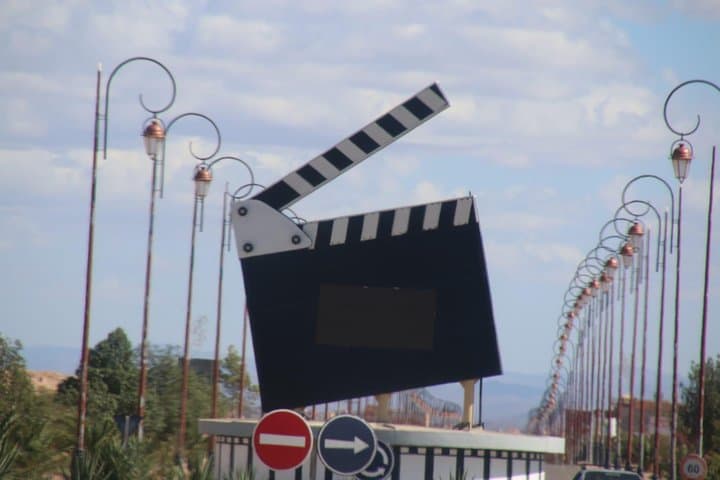
The route follows historic caravan roads between imperial cities; Aït Ben Haddou is a fortified ksar that guarded trans-Saharan trade and later became a film location.
Water scarcity and fragile dune ecosystems mean visitors should minimize waste and avoid driving over vegetation; choose camps that follow responsible waste and water practices.
Explore Morocco Travel SARL operates guided outdoor trips and adventures with an emphasis on safety, stewardship, and memorable experiences.

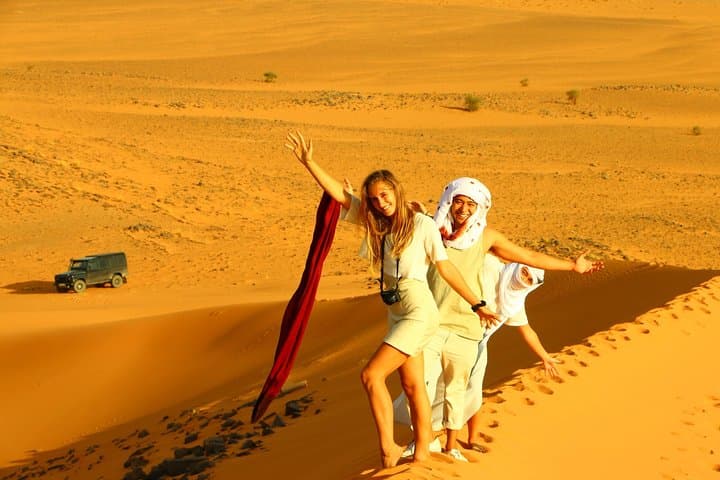

You step out of the air-conditioned vehicle as the dunes fold and reform like a slow-moving ocean, the wind pushing the sand into sharp ridgelines that catch the late light. The camel’s patient sway becomes your metronome as you cross the crest to a luxury desert camp, lamps flickering and a Berber drum marking the evening.
You step out of the air-conditioned vehicle as the dunes fold and reform like a slow-moving ocean, the wind pushing the sand into sharp ridgelines that catch the late light. The camel’s patient sway becomes your metronome as you cross the crest to a luxury desert camp, lamps flickering and a Berber drum marking the evening.
This route threads northern Morocco’s cedared Middle Atlas, the palm-lined Ziz Valley and the dramatic canyons of Todra and Dades before climbing the High Atlas via the Tizi n’Tichka pass. Geologically the journey moves from ancient limestone gorges to Miocene sands sculpted by wind; culturally it follows trans-Saharan caravan corridors that linked Fes and Marrakech for centuries. You’ll visit a Berber family, hear Gnawa music in Khamlia and walk the clay streets of the UNESCO site Aït Ben Haddou.
Practically, expect long driving days broken by short hikes and village visits; the highlights are the camel ride into Erg Chebbi, a 4x4 dune safari, and nights in riads and a luxury desert tent. Temperatures swing widely—sunburn and dehydration are real risks in daytime; nights in the desert drop cold. Carry layered clothing, sun protection, and at least 2–3 liters of water per person on active desert days. Footwear with good grip helps on gravel and canyon slabs. Book a private driver-guide for flexibility and aim for shoulder seasons (spring or fall) to avoid extreme heat.
This itinerary balances cultural stops with raw desert time, giving a concise but varied picture of Morocco’s landscape and living traditions.