THE ADVENTURE COLLECTIVE® · Independent discovery and booking for outdoor travel

A full-day drive from Fez delivers one of Morocco’s most photogenic towns: Chefchaouen’s blue-washed medina, mountain views, and compact cultural sites. This guide outlines what to expect, how to prepare, and where to focus your time on a day trip.
A full-day drive from Fez delivers one of Morocco’s most photogenic towns: Chefchaouen’s blue-washed medina, mountain views, and compact cultural sites. This guide outlines what to expect, how to prepare, and where to focus your time on a day trip.
The road leaves Fez before sunrise, the city’s bustle shrinking as the Rif Mountains roll into view—low, blue-tinged ridges that seem to steer the van toward a city painted in a single color. By midmorning the blue alleys of Chefchaouen open up: light slants across stairways, laundry flutters like flags, and the Ras Elma stream threads the medina, inviting a slower rhythm.
Verified experiences and guided adventures in the surrounding area.
Operated by Moroccly travel · Chefchaouen, Tanger-Tetouan-Al Hoceima
The road leaves Fez before sunrise, the city’s bustle shrinking as the Rif Mountains roll into view—low, blue-tinged ridges that seem to steer the van toward a city painted in a single color. By midmorning the blue alleys of Chefchaouen open up: light slants across stairways, laundry flutters like flags, and the Ras Elma stream threads the medina, inviting a slower rhythm.
Chefchaouen sits on the northern flank of the Rif, formed from folded rock and limestone that catch and hold the town’s cool air. Founded in the 15th century as a kasbah, the town’s blue facades became widespread in the 20th century through Jewish and Andalusian influences; the paint both brightens narrow lanes and helps repel insects. Cultural touchpoints—Plaza Uta el-Hammam, the Kasbah Museum, and the Spanish Mosque viewpoint—map a compact medina that rewards wandering more than rigid itineraries.
Expect about four hours each way by comfortable, air-conditioned vehicle and roughly five hours to explore on foot. The medina is mainly cobblestone and stairs; comfortable walking shoes and modest clothing will keep the day moving. Lunch is not included, but rooftop terraces facing the Rif make for practical and scenic choices.
Practical tips: carry local cash for small shops, time your visit outside noon in summer to avoid the heat, and leave space in your schedule for unplanned detours through artisan stalls. Chefchaouen’s blue walls ask you to slow down—listen for the river, watch the light shift, and let the town pace the day.
easy.
13 hours.
Suitable for most fitness levels—moderate walking on uneven cobbles and stairs for several hours.
Expect about four hours each way by car; the full excursion is roughly 13 hours including free time in Chefchaouen.
No—lunch is at your own expense; rooftop cafes and the main square offer a range of local dishes.
Parts of the medina have steep steps and narrow alleys, though some areas near the main square and riverside are more accessible.
Arabic and Tamazight are local languages; French and some English are commonly used in tourist areas and by vendors.
Chefchaouen was founded in the 15th century as a mountain kasbah; its blue-painted medina reflects Andalusian and Jewish influences that shaped local aesthetics.
Tourism concentrates wear on narrow alleys and water resources; support local artisans, avoid single-use plastics, and stick to marked routes to reduce impact.
Moroccly travel operates guided outdoor trips and adventures with an emphasis on safety, stewardship, and memorable experiences.

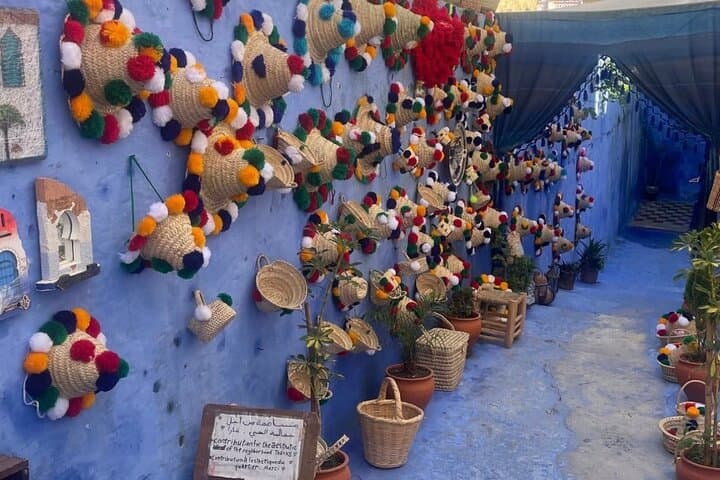

The road leaves Fez before sunrise, the city’s bustle shrinking as the Rif Mountains roll into view—low, blue-tinged ridges that seem to steer the van toward a city painted in a single color. By midmorning the blue alleys of Chefchaouen open up: light slants across stairways, laundry flutters like flags, and the Ras Elma stream threads the medina, inviting a slower rhythm.
The road leaves Fez before sunrise, the city’s bustle shrinking as the Rif Mountains roll into view—low, blue-tinged ridges that seem to steer the van toward a city painted in a single color. By midmorning the blue alleys of Chefchaouen open up: light slants across stairways, laundry flutters like flags, and the Ras Elma stream threads the medina, inviting a slower rhythm.
Chefchaouen sits on the northern flank of the Rif, formed from folded rock and limestone that catch and hold the town’s cool air. Founded in the 15th century as a kasbah, the town’s blue facades became widespread in the 20th century through Jewish and Andalusian influences; the paint both brightens narrow lanes and helps repel insects. Cultural touchpoints—Plaza Uta el-Hammam, the Kasbah Museum, and the Spanish Mosque viewpoint—map a compact medina that rewards wandering more than rigid itineraries.
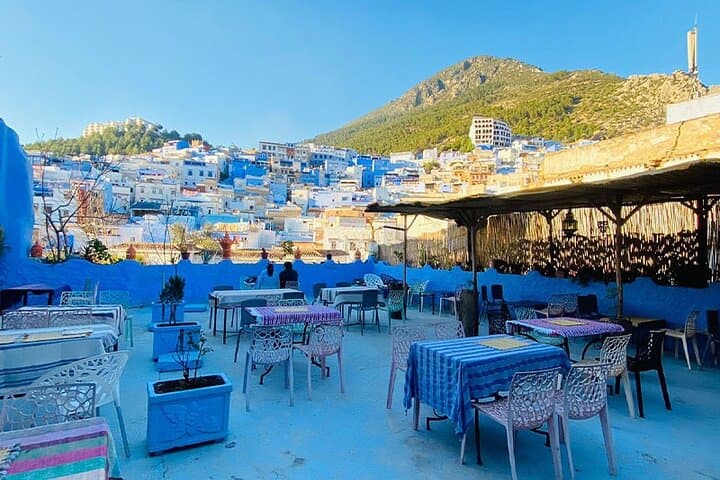
Expect about four hours each way by comfortable, air-conditioned vehicle and roughly five hours to explore on foot. The medina is mainly cobblestone and stairs; comfortable walking shoes and modest clothing will keep the day moving. Lunch is not included, but rooftop terraces facing the Rif make for practical and scenic choices.
Practical tips: carry local cash for small shops, time your visit outside noon in summer to avoid the heat, and leave space in your schedule for unplanned detours through artisan stalls. Chefchaouen’s blue walls ask you to slow down—listen for the river, watch the light shift, and let the town pace the day.