THE ADVENTURE COLLECTIVE® · Independent discovery and booking for outdoor travel

A full-day drive from Fez delivers the blue alleys and mountain air of Chefchaouen. This guide maps what you’ll see, the town’s history, and practical tips to make a smooth day trip into the Rif Mountains.
A full-day drive from Fez delivers the blue alleys and mountain air of Chefchaouen. This guide maps what you’ll see, the town’s history, and practical tips to make a smooth day trip into the Rif Mountains.
Before sunrise the highway out of Fes unspools into olive groves and the low rise of the Rif Mountains, and by midmorning the town’s bluewashed streets open like a maze of painted promises. The air smells of lemon trees and frying olive oil; the medina’s narrow alleys funnel light and conversation into pockets where vendors sharpen knives and women hang laundry over cobalt doorways.
Verified experiences and guided adventures in the surrounding area.
Operated by Luxury Fes Tours · Chefchaouen, Tanger-Tetouan-Al Hoceima
Before sunrise the highway out of Fes unspools into olive groves and the low rise of the Rif Mountains, and by midmorning the town’s bluewashed streets open like a maze of painted promises. The air smells of lemon trees and frying olive oil; the medina’s narrow alleys funnel light and conversation into pockets where vendors sharpen knives and women hang laundry over cobalt doorways.
Chefchaouen, founded in 1471 by Ali Ben Rached, grew as an Andalucian refuge and carries clear Spanish and Amazigh traces in its architecture and daily rhythms. Geologically the town sits on folded limestone foothills — the Megou and Tisouka “horns” that give the city its name — and the Rif’s ridges shape local weather and terraces. Cultural notes: expect Andalusi-influenced cuisine, slow-market bargaining, and a language mix of Arabic, Tarifit (Amazigh), and Spanish.
A typical day trip includes a 3–4 hour drive each way with stops at viewpoints and the Sidi Shahed dam; once in town you’ll spend several hours wandering the medina, visiting Ras El Ma spring and the Plaza Uta el-Hammam for views. Streets are cobbled and uneven; the town runs at walking pace.
Practical guidance: start early to avoid midday crowds, carry water and cash for small purchases, and wear sturdy shoes for short hills and steps. Respect painted facades and private doorways; photography is welcome but ask before shooting people. Time your visit for spring or autumn for milder weather and clearer light.
easy.
10–12 hours.
Basic fitness for several hours of walking on uneven cobbles and short uphill sections; no technical conditioning required.
Expect roughly 3 to 4 hours each way by private vehicle depending on stops and traffic — the route winds through mountain roads and viewpoints.
Yes — a day allows several hours in the medina and a few photo stops; overnight stays let you explore at a slower pace and catch softer light.
Most day-trip packages do not include lunch by default; plan for a sit-down meal in the medina or bring snacks and cash for local cafés.
Many alleys are narrow and stepped; short sections like Ras El Ma are accessible but full stroller access is limited — folding strollers can work with assistance.
Chefchaouen was established in 1471 as an Andalucian stronghold; Spanish rule left architectural and linguistic traces that remain visible today.
Tourist pressure affects water use and the medina’s fragile paintwork — support local shops, avoid single-use plastics, and follow posted signage to protect historic fabric.
Luxury Fes Tours operates guided outdoor trips and adventures with an emphasis on safety, stewardship, and memorable experiences.
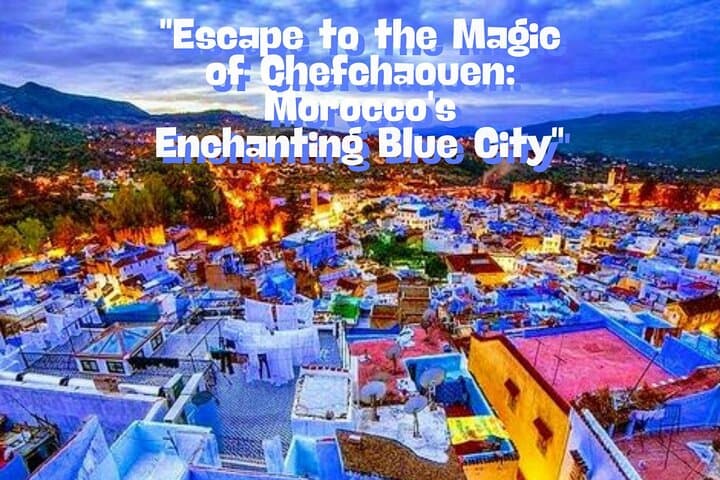
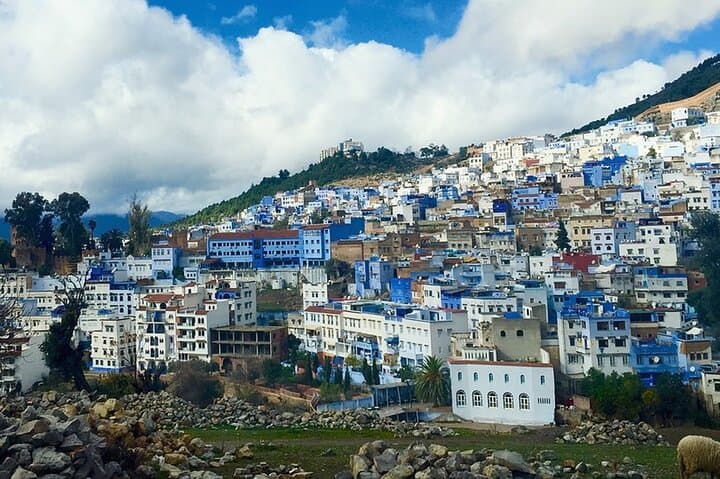
Before sunrise the highway out of Fes unspools into olive groves and the low rise of the Rif Mountains, and by midmorning the town’s bluewashed streets open like a maze of painted promises. The air smells of lemon trees and frying olive oil; the medina’s narrow alleys funnel light and conversation into pockets where vendors sharpen knives and women hang laundry over cobalt doorways.
Before sunrise the highway out of Fes unspools into olive groves and the low rise of the Rif Mountains, and by midmorning the town’s bluewashed streets open like a maze of painted promises. The air smells of lemon trees and frying olive oil; the medina’s narrow alleys funnel light and conversation into pockets where vendors sharpen knives and women hang laundry over cobalt doorways.
Chefchaouen, founded in 1471 by Ali Ben Rached, grew as an Andalucian refuge and carries clear Spanish and Amazigh traces in its architecture and daily rhythms. Geologically the town sits on folded limestone foothills — the Megou and Tisouka “horns” that give the city its name — and the Rif’s ridges shape local weather and terraces. Cultural notes: expect Andalusi-influenced cuisine, slow-market bargaining, and a language mix of Arabic, Tarifit (Amazigh), and Spanish.
A typical day trip includes a 3–4 hour drive each way with stops at viewpoints and the Sidi Shahed dam; once in town you’ll spend several hours wandering the medina, visiting Ras El Ma spring and the Plaza Uta el-Hammam for views. Streets are cobbled and uneven; the town runs at walking pace.
Practical guidance: start early to avoid midday crowds, carry water and cash for small purchases, and wear sturdy shoes for short hills and steps. Respect painted facades and private doorways; photography is welcome but ask before shooting people. Time your visit for spring or autumn for milder weather and clearer light.