THE ADVENTURE COLLECTIVE® · Independent discovery and booking for outdoor travel

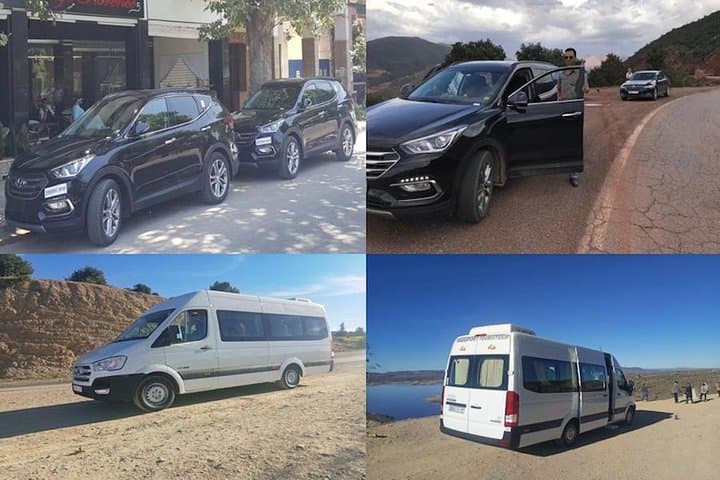
Move between Fes and Casablanca in comfort with a private 4-hour transfer. This direct drive traverses the plains and foothills between Morocco’s imperial north and its Atlantic coast, offering practical comfort and local insight en route.
Move between Fes and Casablanca in comfort with a private 4-hour transfer. This direct drive traverses the plains and foothills between Morocco’s imperial north and its Atlantic coast, offering practical comfort and local insight en route.
A private car slips out of Fes before dawn, the medina’s azur shutters receding in the rearview as the road unfurls toward the Atlantic. Windows frame cedar-touched slopes falling into open farmland; the air shifts from the warm, spice-scented bustle of Fes to the cooler, salt-tinged breeze of Casablanca. The drive is a compact cross-section of northern Morocco: imperial cities, broad plains, and the distant silhouette of the Middle Atlas.
Verified experiences and guided adventures in the surrounding area.
Operated by Peaceful Morocco Travel · Fes, Fès-Meknès
A private car slips out of Fes before dawn, the medina’s azur shutters receding in the rearview as the road unfurls toward the Atlantic. Windows frame cedar-touched slopes falling into open farmland; the air shifts from the warm, spice-scented bustle of Fes to the cooler, salt-tinged breeze of Casablanca. The drive is a compact cross-section of northern Morocco: imperial cities, broad plains, and the distant silhouette of the Middle Atlas.
This corridor has linked trade, pilgrimage and governance for centuries—Roman roads and later caravan tracks gave way to paved highways that now move tourists and locals between Fes’s historic gates and Casablanca’s modern boulevards. Geologically the route drops from roughly 400 m around Fes down to sea level, traversing alluvial plains and irrigated fields with occasional rocky outcrops where ancient settlements cluster.
Culturally, drivers often double as informal guides: expect local stories about medina artisans, roadside spice stalls and the seasonal migrations of workers. Stops are practical—restrooms, mint tea, and quick views of Meknes or the Roman ruins at Volubilis if time permits.
Practical guidance: the transfer covers about 295–310 km and takes roughly four hours under normal conditions. Bring printed or mobile tickets, a light layer for coastal breezes, and a small bag for valuables during brief stops. Reserve windows for daylight travel if you want photos; avoid peak traffic around Casablanca during late afternoon. Confirm pickup details and luggage allowances ahead of time, and budget a small tip for courteous service. This is a low-effort, high-value way to move between two very different faces of Morocco.
easy.
4 hours.
No special fitness required — accessible to most travelers who can board a vehicle
The operator schedules about 4 hours for the drive under normal traffic—plan extra time during peak hours or for extended stops.
Yes—private transfers typically allow brief stops for restrooms, food, or quick viewpoints; confirm the number and length of stops when booking.
Yes—infant seats are available on request; note infants are often required to sit on an adult’s lap depending on local regulations.
Pickup point is set at booking—drivers meet at riads, hotels or agreed public locations; provide full address and phone number to ensure a smooth handoff.
The route reflects layers of history—Roman roads near Volubilis, medieval caravan links between imperial cities, and 20th-century road development connecting Morocco’s urban centers.
Road travel concentrates pressure on roadside habitats; choose operators who minimize idling, avoid littering on stops and support local businesses to keep tourism benefits local.
Peaceful Morocco Travel operates guided outdoor trips and adventures with an emphasis on safety, stewardship, and memorable experiences.
A private car slips out of Fes before dawn, the medina’s azur shutters receding in the rearview as the road unfurls toward the Atlantic. Windows frame cedar-touched slopes falling into open farmland; the air shifts from the warm, spice-scented bustle of Fes to the cooler, salt-tinged breeze of Casablanca. The drive is a compact cross-section of northern Morocco: imperial cities, broad plains, and the distant silhouette of the Middle Atlas.
A private car slips out of Fes before dawn, the medina’s azur shutters receding in the rearview as the road unfurls toward the Atlantic. Windows frame cedar-touched slopes falling into open farmland; the air shifts from the warm, spice-scented bustle of Fes to the cooler, salt-tinged breeze of Casablanca. The drive is a compact cross-section of northern Morocco: imperial cities, broad plains, and the distant silhouette of the Middle Atlas.
This corridor has linked trade, pilgrimage and governance for centuries—Roman roads and later caravan tracks gave way to paved highways that now move tourists and locals between Fes’s historic gates and Casablanca’s modern boulevards. Geologically the route drops from roughly 400 m around Fes down to sea level, traversing alluvial plains and irrigated fields with occasional rocky outcrops where ancient settlements cluster.
Culturally, drivers often double as informal guides: expect local stories about medina artisans, roadside spice stalls and the seasonal migrations of workers. Stops are practical—restrooms, mint tea, and quick views of Meknes or the Roman ruins at Volubilis if time permits.
Practical guidance: the transfer covers about 295–310 km and takes roughly four hours under normal conditions. Bring printed or mobile tickets, a light layer for coastal breezes, and a small bag for valuables during brief stops. Reserve windows for daylight travel if you want photos; avoid peak traffic around Casablanca during late afternoon. Confirm pickup details and luggage allowances ahead of time, and budget a small tip for courteous service. This is a low-effort, high-value way to move between two very different faces of Morocco.