THE ADVENTURE COLLECTIVE® · Independent discovery and booking for outdoor travel

Travel from Fes to Casablanca in a single day with a private transfer that visits Volubilis’s Roman ruins and Rabat’s historic sites before ending at the Hassan II Mosque. Expect a compact mix of archaeology, coastal vistas, and guided cultural context on a 7–8 hour route.
Travel from Fes to Casablanca in a single day with a private transfer that visits Volubilis’s Roman ruins and Rabat’s historic sites before ending at the Hassan II Mosque. Expect a compact mix of archaeology, coastal vistas, and guided cultural context on a 7–8 hour route.
You leave Fes before dawn, the road unspooling west through olive terraces and low, wind-etched hills. By mid-morning the ruins of Volubilis appear—stone columns and mosaic floors sitting like pages of a weathered history book, sun warming the exposed marble. The guide’s voice threads connectivity between Roman magistrates, local Amazigh farmers, and the layers of occupation visible in each carved lintel.
Verified experiences and guided adventures in the surrounding area.
Operated by Fes City Travel · Fes, Fès-Meknès
You leave Fes before dawn, the road unspooling west through olive terraces and low, wind-etched hills. By mid-morning the ruins of Volubilis appear—stone columns and mosaic floors sitting like pages of a weathered history book, sun warming the exposed marble. The guide’s voice threads connectivity between Roman magistrates, local Amazigh farmers, and the layers of occupation visible in each carved lintel.
From Volubilis the drive drops to Rabat’s manicured river terraces and the ruined gardens of Chellah, where white storks wheel above medieval tombstones and the scent of wet earth rises from irrigated orchards. The Kasbah of the Udayas offers narrow alleys and a blue-and-white gate that opens onto a terrace with Atlantic views. Hassan Tower and the Mausoleum of Mohammed V provide a compact lesson in 20th-century nation-building; in Casablanca the Hassan II Mosque crowns the coastline with its minaret daring the ocean’s spray.
Geology here is subtle—limestone plateaus giving way to alluvial plains feeding the Atlantic—yet it shapes settlement patterns, agriculture, and the routes you travel. Culture is tactile: mint tea poured slowly, markets alive with call-and-response, and architecture that alternates austerity and ornament.
Practicalities: expect a 7–8 hour private transfer with multiple short stops (Volubilis ~90 minutes, Rabat highlights ~2–3 hours, Casablanca ~1 hour). Comfortable shoes, sun protection, and a light layer for coastal breezes will keep the day easy. Bring local currency for small purchases, and plan for a full but unhurried day of walking and photography.
easy.
7–8 hours.
Suitable for most fitness levels; involves multiple short walks and standing periods but no technical exertion
The drive takes about 60–90 minutes depending on traffic; the tour allows roughly 90 minutes to explore the ruins.
The itinerary lists admission included for Volubilis and the Hassan II Mosque visit; check booking details for any exceptions.
The tour notes infant seats and is suitable for all fitness levels, but contact the operator in advance for specific accessibility needs.
The standard inclusions list bottled water and private transport; restaurants or a market lunch in Rabat/Casablanca are typically at your own expense.
Volubilis is a UNESCO Roman site with mosaics and public buildings dating to the 3rd century CE; Rabat developed as a strategic Atlantic port and Morocco’s administrative capital.
Stick to marked paths at archaeological sites to protect fragile mosaics and walls; favor local guides and businesses to support community-driven conservation.
Fes City Travel operates guided outdoor trips and adventures with an emphasis on safety, stewardship, and memorable experiences.

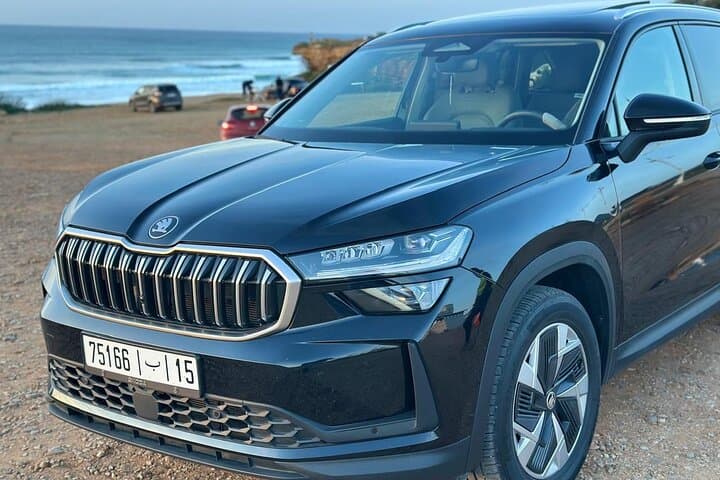
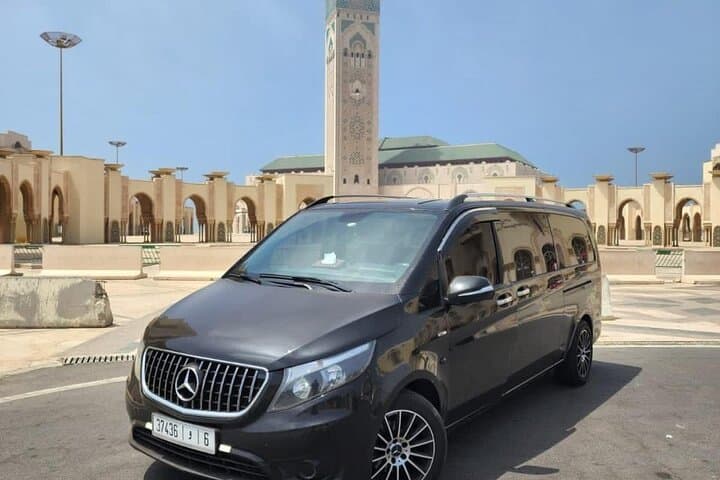

You leave Fes before dawn, the road unspooling west through olive terraces and low, wind-etched hills. By mid-morning the ruins of Volubilis appear—stone columns and mosaic floors sitting like pages of a weathered history book, sun warming the exposed marble. The guide’s voice threads connectivity between Roman magistrates, local Amazigh farmers, and the layers of occupation visible in each carved lintel.
You leave Fes before dawn, the road unspooling west through olive terraces and low, wind-etched hills. By mid-morning the ruins of Volubilis appear—stone columns and mosaic floors sitting like pages of a weathered history book, sun warming the exposed marble. The guide’s voice threads connectivity between Roman magistrates, local Amazigh farmers, and the layers of occupation visible in each carved lintel.
From Volubilis the drive drops to Rabat’s manicured river terraces and the ruined gardens of Chellah, where white storks wheel above medieval tombstones and the scent of wet earth rises from irrigated orchards. The Kasbah of the Udayas offers narrow alleys and a blue-and-white gate that opens onto a terrace with Atlantic views. Hassan Tower and the Mausoleum of Mohammed V provide a compact lesson in 20th-century nation-building; in Casablanca the Hassan II Mosque crowns the coastline with its minaret daring the ocean’s spray.
Geology here is subtle—limestone plateaus giving way to alluvial plains feeding the Atlantic—yet it shapes settlement patterns, agriculture, and the routes you travel. Culture is tactile: mint tea poured slowly, markets alive with call-and-response, and architecture that alternates austerity and ornament.
Practicalities: expect a 7–8 hour private transfer with multiple short stops (Volubilis ~90 minutes, Rabat highlights ~2–3 hours, Casablanca ~1 hour). Comfortable shoes, sun protection, and a light layer for coastal breezes will keep the day easy. Bring local currency for small purchases, and plan for a full but unhurried day of walking and photography.