THE ADVENTURE COLLECTIVE® · Independent discovery and booking for outdoor travel

Travel across northern Morocco in one day: from Fes’s medieval lanes to Meknes’s monumental gates, then Rabat’s coastal monuments before arriving in Casablanca. This private transfer compresses imperial history, coastal scenery, and practical sightseeing into a single, well-paced day.
Travel across northern Morocco in one day: from Fes’s medieval lanes to Meknes’s monumental gates, then Rabat’s coastal monuments before arriving in Casablanca. This private transfer compresses imperial history, coastal scenery, and practical sightseeing into a single, well-paced day.
A morning departure from Fes unfolds like a changing map: narrow medina alleys give way to olive groves, then to the wide plains that cradle Meknes. The engine hum is constant; windows frame gateposts and crenellated walls until Bab Mansour appears—white stone and carved tile that stop conversation for a moment.
Verified experiences and guided adventures in the surrounding area.
Operated by Fez Morocco Guide · Fes, Fès-Meknès
A morning departure from Fes unfolds like a changing map: narrow medina alleys give way to olive groves, then to the wide plains that cradle Meknes. The engine hum is constant; windows frame gateposts and crenellated walls until Bab Mansour appears—white stone and carved tile that stop conversation for a moment.
This route threads Morocco’s imperial heritage. Fes, founded in the 9th century, preserves some of North Africa’s most intact medieval urban fabric. Meknes rose under Moulay Ismail in the 17th century and wears its power in monumental gates and granaries. Rabat, on the Atlantic, layers Andalusian gardens, the Hassan Tower, and a Roman-era necropolis at Chellah — all reminders of successive civilizations and strategic coastline geology shaped by Atlantic winds and riverine deposits.
Culturally, the day contrasts market rhythms with planned civic spaces: vendors in Meknes’ medina, elegant promenades in Rabat, and Casablanca’s wide avenues and iconic Hassan II Mosque at the end of the line. Travelers will feel the shift from centuries-old craftsmanship to 20th-century Art Deco within hours.
Practical guidance: plan for 5–7 hours including stops; expect light walking on cobbles and steps at historic sites. Bring sun protection, a refillable water bottle, and a daypack for layers—mornings can be cool, coastal afternoons warm. Photographs of mosaics and gates demand a slower pace; allow time for brief walks rather than rushing between landmarks. Confirm pickup details in Fes, carry local cash for small vendors, and keep identification handy for entry at heritage sites.
easy.
5–7 hours.
Suitable for most travelers; primarily seated travel with short periods of walking and stairs in historical sites
The excursion runs approximately 5–7 hours depending on traffic and time spent at stops; the schedule is designed for a paced day with 60–90 minute visits.
Admissions are not explicitly included in the standard itinerary; travelers should budget for entry to sites like the Chellah and optional museum visits.
Yes — the tour offers pickup from accommodations in Fes; confirm your pickup point and time during booking.
This offering is sold as all sales final with no refunds for cancellations; check the operator’s terms before booking.
The route ties together Moroccan imperial history—from Roman Volubilis near Meknes to the Almohad and Alaouite influences visible in Rabat and Fes—illustrating centuries of urban layering.
Visitors are encouraged to stick to marked paths at archaeological sites, avoid feeding wildlife, and minimize single-use plastics to reduce impact on fragile historic areas.
Fez Morocco Guide operates guided outdoor trips and adventures with an emphasis on safety, stewardship, and memorable experiences.
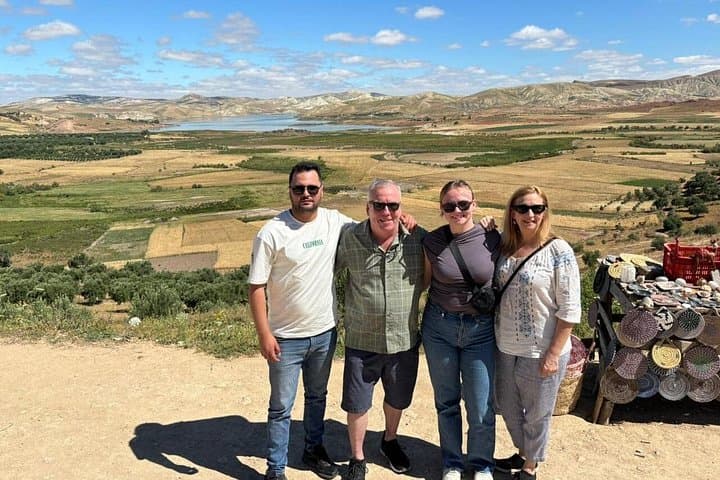



A morning departure from Fes unfolds like a changing map: narrow medina alleys give way to olive groves, then to the wide plains that cradle Meknes. The engine hum is constant; windows frame gateposts and crenellated walls until Bab Mansour appears—white stone and carved tile that stop conversation for a moment.
A morning departure from Fes unfolds like a changing map: narrow medina alleys give way to olive groves, then to the wide plains that cradle Meknes. The engine hum is constant; windows frame gateposts and crenellated walls until Bab Mansour appears—white stone and carved tile that stop conversation for a moment.
This route threads Morocco’s imperial heritage. Fes, founded in the 9th century, preserves some of North Africa’s most intact medieval urban fabric. Meknes rose under Moulay Ismail in the 17th century and wears its power in monumental gates and granaries. Rabat, on the Atlantic, layers Andalusian gardens, the Hassan Tower, and a Roman-era necropolis at Chellah — all reminders of successive civilizations and strategic coastline geology shaped by Atlantic winds and riverine deposits.
Culturally, the day contrasts market rhythms with planned civic spaces: vendors in Meknes’ medina, elegant promenades in Rabat, and Casablanca’s wide avenues and iconic Hassan II Mosque at the end of the line. Travelers will feel the shift from centuries-old craftsmanship to 20th-century Art Deco within hours.
Practical guidance: plan for 5–7 hours including stops; expect light walking on cobbles and steps at historic sites. Bring sun protection, a refillable water bottle, and a daypack for layers—mornings can be cool, coastal afternoons warm. Photographs of mosaics and gates demand a slower pace; allow time for brief walks rather than rushing between landmarks. Confirm pickup details in Fes, carry local cash for small vendors, and keep identification handy for entry at heritage sites.