THE ADVENTURE COLLECTIVE® · Independent discovery and booking for outdoor travel

Explore Fes’ medina from the Blue Gate to the tannery terraces on a 3–4 hour guided walking tour. Learn craft techniques, meet artisan families, and shop for authentic Moroccan leather, ceramics, and rugs with a knowledgeable local host.
Explore Fes’ medina from the Blue Gate to the tannery terraces on a 3–4 hour guided walking tour. Learn craft techniques, meet artisan families, and shop for authentic Moroccan leather, ceramics, and rugs with a knowledgeable local host.
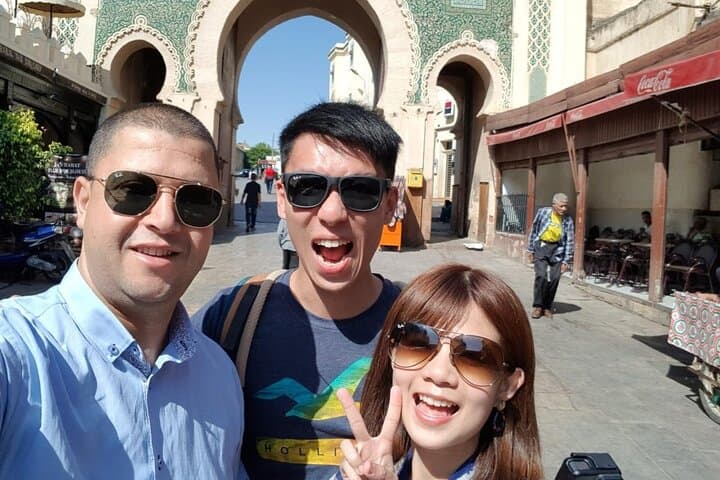
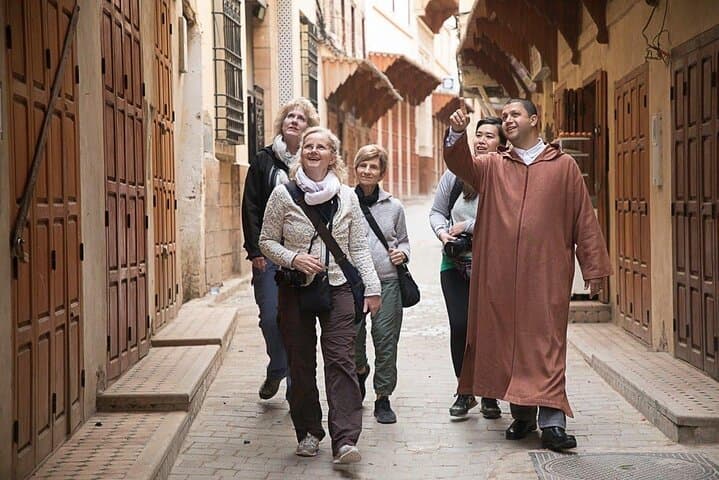
Stand at the Blue Gate as morning light slices into alleys of stone and cedar; the medina exhales leather, spice, and steam from countless kettles of mint tea. Your guide threads a route through narrow streets where doorways open into workshops and every doorway has a story — woodcarvers tapping cedar, dyers stirring vats of color, weavers tightening warp threads by hand.
Verified experiences and guided adventures in the surrounding area.
Operated by Fes Morocco Desert Tours · Fes, Fès-Meknès
Stand at the Blue Gate as morning light slices into alleys of stone and cedar; the medina exhales leather, spice, and steam from countless kettles of mint tea. Your guide threads a route through narrow streets where doorways open into workshops and every doorway has a story — woodcarvers tapping cedar, dyers stirring vats of color, weavers tightening warp threads by hand.
Fes el-Bali is one of the largest intact medieval medinas in the world, founded in the 9th–10th centuries and today a UNESCO World Heritage site. Geologically the city sits on a low plateau fed by small rivers that historically powered tanneries and mills; culturally it remains a living archive of Moroccan craft: zellij tile, carved wood, pottery, leatherwork and Berber weaving. Expect stops at the Nejjarine wood museum, the panoramic terrace above Chouara tannery, family-run pottery studios, and a cooperative of carpet weavers.
Practical guidance: the route is low-effort walking (3–4 hours) but surfaces are uneven and often crowded. Go early to avoid peak heat and bargaining fatigue; bring small-denomination dirhams, a secure crossbody bag, and comfortable closed-toe shoes. Ask before photographing artisans, and accept mint tea — it’s part of the rhythm here. Your guide will point out quality markers, show where natural dyes are used, and help negotiate fair prices if you decide to buy. Move at a steady pace, hydrate between visits, and leave room in your luggage for a handcrafted piece that will remind you how labor and culture intersect in stone and color.
easy.
3–4 hours.
Suitable for most fitness levels; requires steady walking and negotiating some uneven stone steps.
No — the tour guides facilitate visits and explain quality markers, but purchases are optional and paid for directly to artisans.
Yes — polite haggling is part of the market culture; follow your guide’s cues and start lower than the asking price to find a fair middle ground.
Ask permission first — many artisans allow photos on request; for the tannery use the panoramic terrace viewpoints rather than entering vats.
Children are welcome but strollers are impractical in narrow, stepped alleys; consider a carrier for infants and prepare for short bursts of standing.
Fes grew as a political and religious center from the 9th century and its medina preserves centuries-old craft guild traditions that shaped Moroccan urban life.
Many workshops are family-run and depend on sustainable craft tourism; support authentic artisans directly, avoid single-use plastics, and respect material sourcing practices.
Fes Morocco Desert Tours operates guided outdoor trips and adventures with an emphasis on safety, stewardship, and memorable experiences.

Stand at the Blue Gate as morning light slices into alleys of stone and cedar; the medina exhales leather, spice, and steam from countless kettles of mint tea. Your guide threads a route through narrow streets where doorways open into workshops and every doorway has a story — woodcarvers tapping cedar, dyers stirring vats of color, weavers tightening warp threads by hand.
Stand at the Blue Gate as morning light slices into alleys of stone and cedar; the medina exhales leather, spice, and steam from countless kettles of mint tea. Your guide threads a route through narrow streets where doorways open into workshops and every doorway has a story — woodcarvers tapping cedar, dyers stirring vats of color, weavers tightening warp threads by hand.
Fes el-Bali is one of the largest intact medieval medinas in the world, founded in the 9th–10th centuries and today a UNESCO World Heritage site. Geologically the city sits on a low plateau fed by small rivers that historically powered tanneries and mills; culturally it remains a living archive of Moroccan craft: zellij tile, carved wood, pottery, leatherwork and Berber weaving. Expect stops at the Nejjarine wood museum, the panoramic terrace above Chouara tannery, family-run pottery studios, and a cooperative of carpet weavers.
Practical guidance: the route is low-effort walking (3–4 hours) but surfaces are uneven and often crowded. Go early to avoid peak heat and bargaining fatigue; bring small-denomination dirhams, a secure crossbody bag, and comfortable closed-toe shoes. Ask before photographing artisans, and accept mint tea — it’s part of the rhythm here. Your guide will point out quality markers, show where natural dyes are used, and help negotiate fair prices if you decide to buy. Move at a steady pace, hydrate between visits, and leave room in your luggage for a handcrafted piece that will remind you how labor and culture intersect in stone and color.