THE ADVENTURE COLLECTIVE® · Independent discovery and booking for outdoor travel

A quick 15-minute ferry from Corralejo delivers you to Isla de Lobos — a protected 6 km² islet of volcanic ridges, turquoise coves, and a short but rewarding 12.8 km circular trail. This guide covers what to see, how to prepare, and the logistics you need to make the most of a day trip.
A quick 15-minute ferry from Corralejo delivers you to Isla de Lobos — a protected 6 km² islet of volcanic ridges, turquoise coves, and a short but rewarding 12.8 km circular trail. This guide covers what to see, how to prepare, and the logistics you need to make the most of a day trip.
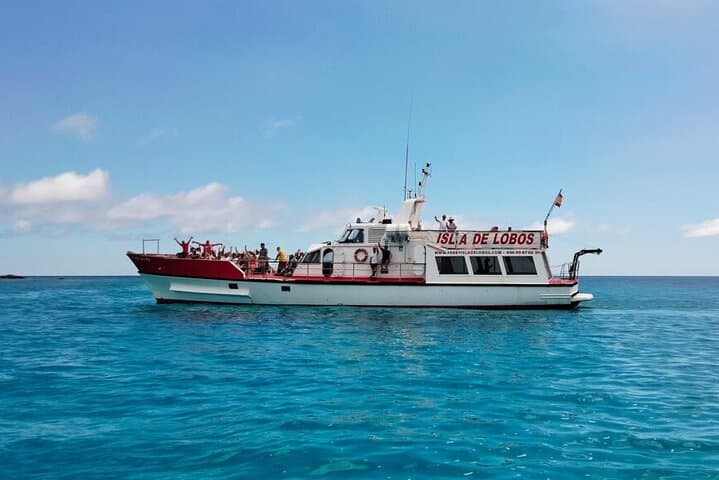
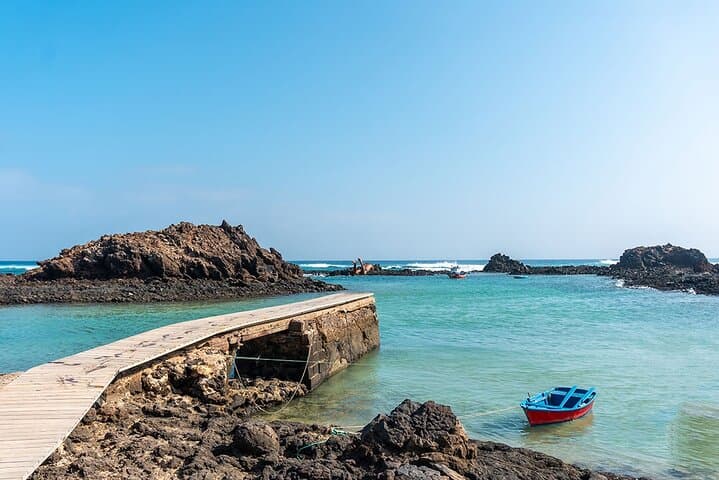
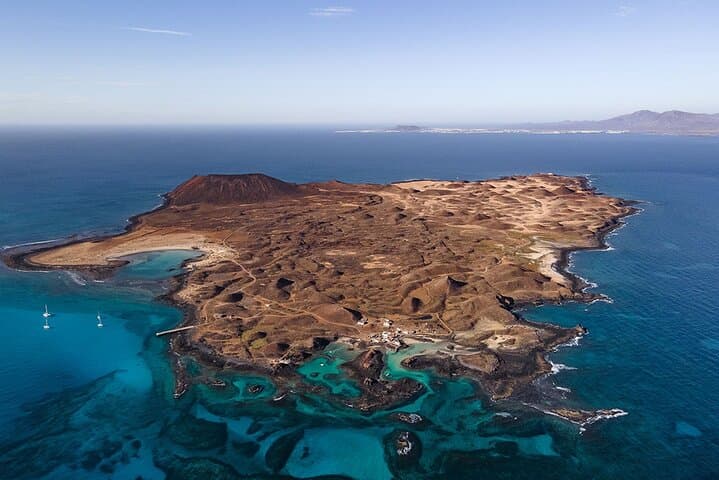
The ferry slips away from Corralejo with the island of Lobos sharpening against a wide Atlantic horizon — a low crown of ochre rock, a white lighthouse, and a handful of cottages that seem to have refused the modern world. Fifteen minutes later the boat noses into a small cove at El Puertito; turquoise water laps pebbles that have been hardened by wind and salt. A track unfurls inland toward Montaña La Caldera, the islet’s 127-meter high spit of volcanic rock, and choices present themselves: a sun-drenched beach, a wetland that hums with bird activity, or a rim trail that rewards anyone willing to push for the view.
Verified experiences and guided adventures in the surrounding area.
Operated by Tour2b · Corralejo, Fuerteventura
The ferry slips away from Corralejo with the island of Lobos sharpening against a wide Atlantic horizon — a low crown of ochre rock, a white lighthouse, and a handful of cottages that seem to have refused the modern world. Fifteen minutes later the boat noses into a small cove at El Puertito; turquoise water laps pebbles that have been hardened by wind and salt. A track unfurls inland toward Montaña La Caldera, the islet’s 127-meter high spit of volcanic rock, and choices present themselves: a sun-drenched beach, a wetland that hums with bird activity, or a rim trail that rewards anyone willing to push for the view.
Isla de Lobos carries a compact history. Named for the monk seals that once hauled up on its shores, it was declared a protected Natural Park in 1982 to stop development and preserve more than 130 plant species and important bird habitat. Geologically the islet is part of the Canarian volcanic chain — the caldera and basalt flows tell of eruptions a long time ago, reshaped by relentless winds into dunes and jagged headlands.
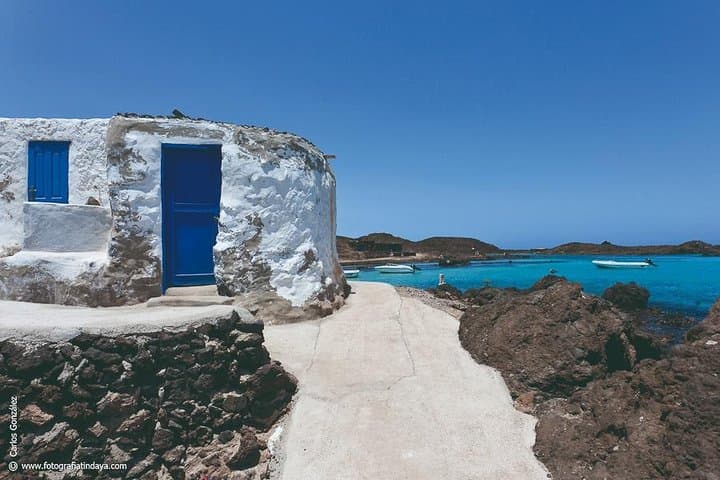
Culturally the island is a quiet counterpoint to Fuerteventura’s tourist circuit. The stone houses at El Puertito predate the park status and were once fishing shelters; today they sit near a lone bar-restaurant and a wooden pier where day-trippers arrive and leave on scheduled ferries. The Las Lagunitas wetland is small but valuable, attracting waders and making it a favored spot for photographers and birdwatchers.
Practicalities are straightforward but essential: the circular footpath totals roughly 12.8 km and a full walk takes about four hours not counting stops or the climb up Caldera; the active ascent is short but exposed. Ferries run frequently from Corralejo (journey ~15 minutes) with return schedules mid-afternoon and early evening — you'll need to secure government landing permission at lobospass.com before disembarking. There’s a bar on the island but limited services, so carry water, snacks, and sun protection. Closed hiking shoes are recommended for the uneven trail and rocky ascents; windproof layers help when the Atlantic breeze kicks up.
For a day trip, plan departure and return around cooler morning hours to avoid peak sun, give yourself three to five hours on the island if you intend to explore the coves and summit, and leave no trace: paths are fragile and the park’s protections depend on visitors respecting restrictions. Whether you’re there for a lazy beach hour, a birding circuit, or the caldera viewpoint, Isla de Lobos feels like an intimate, wild neighbor — small enough to explore in a day and stubbornly alive with sea-sculpted terrain.
moderate.
4–8 hours.
Suitable for average fitness; expect several kilometers of walking and a short exposed climb to the caldera.
Yes — government permission via lobospass.com is mandatory and free; you must have it before boarding.
The circular footpath is about 12.8 km and typically takes around four hours without extended stops; add time for the caldera ascent.
There is a bar-restaurant near El Puertito but carry sufficient water and snacks as services are limited and may close early.
No — the island’s trails and dock areas are uneven and not suitable for wheelchair users.
Departures from Corralejo run frequently in the morning; return boats are commonly at 14:00, 16:15, and 17:15, but confirm at booking.
Service animals are permitted, but pets should check local park rules and transport operator policies first.
Named for the monk seals that once hauled ashore, Lobos was protected as a Natural Park in 1982 to preserve its flora and seabird habitat.
The park limits development and enforces landing permits to reduce visitor impact; stick to trails to protect fragile plant communities.
Tour2b operates guided outdoor trips and adventures with an emphasis on safety, stewardship, and memorable experiences.
The ferry slips away from Corralejo with the island of Lobos sharpening against a wide Atlantic horizon — a low crown of ochre rock, a white lighthouse, and a handful of cottages that seem to have refused the modern world. Fifteen minutes later the boat noses into a small cove at El Puertito; turquoise water laps pebbles that have been hardened by wind and salt. A track unfurls inland toward Montaña La Caldera, the islet’s 127-meter high spit of volcanic rock, and choices present themselves: a sun-drenched beach, a wetland that hums with bird activity, or a rim trail that rewards anyone willing to push for the view.
The ferry slips away from Corralejo with the island of Lobos sharpening against a wide Atlantic horizon — a low crown of ochre rock, a white lighthouse, and a handful of cottages that seem to have refused the modern world. Fifteen minutes later the boat noses into a small cove at El Puertito; turquoise water laps pebbles that have been hardened by wind and salt. A track unfurls inland toward Montaña La Caldera, the islet’s 127-meter high spit of volcanic rock, and choices present themselves: a sun-drenched beach, a wetland that hums with bird activity, or a rim trail that rewards anyone willing to push for the view.
Isla de Lobos carries a compact history. Named for the monk seals that once hauled up on its shores, it was declared a protected Natural Park in 1982 to stop development and preserve more than 130 plant species and important bird habitat. Geologically the islet is part of the Canarian volcanic chain — the caldera and basalt flows tell of eruptions a long time ago, reshaped by relentless winds into dunes and jagged headlands.
Culturally the island is a quiet counterpoint to Fuerteventura’s tourist circuit. The stone houses at El Puertito predate the park status and were once fishing shelters; today they sit near a lone bar-restaurant and a wooden pier where day-trippers arrive and leave on scheduled ferries. The Las Lagunitas wetland is small but valuable, attracting waders and making it a favored spot for photographers and birdwatchers.
Practicalities are straightforward but essential: the circular footpath totals roughly 12.8 km and a full walk takes about four hours not counting stops or the climb up Caldera; the active ascent is short but exposed. Ferries run frequently from Corralejo (journey ~15 minutes) with return schedules mid-afternoon and early evening — you'll need to secure government landing permission at lobospass.com before disembarking. There’s a bar on the island but limited services, so carry water, snacks, and sun protection. Closed hiking shoes are recommended for the uneven trail and rocky ascents; windproof layers help when the Atlantic breeze kicks up.
For a day trip, plan departure and return around cooler morning hours to avoid peak sun, give yourself three to five hours on the island if you intend to explore the coves and summit, and leave no trace: paths are fragile and the park’s protections depend on visitors respecting restrictions. Whether you’re there for a lazy beach hour, a birding circuit, or the caldera viewpoint, Isla de Lobos feels like an intimate, wild neighbor — small enough to explore in a day and stubbornly alive with sea-sculpted terrain.