THE ADVENTURE COLLECTIVE® · Independent discovery and booking for outdoor travel

A short ferry from Faro drops you on Ilha Deserta’s vast sand beaches and shifting dunes, part of the Ria Formosa Natural Park. This easy day trip offers wildlife viewing, a simple island restaurant, and the rare quiet of a largely undeveloped barrier island.
A short ferry from Faro drops you on Ilha Deserta’s vast sand beaches and shifting dunes, part of the Ria Formosa Natural Park. This easy day trip offers wildlife viewing, a simple island restaurant, and the rare quiet of a largely undeveloped barrier island.
A low, salt-sweet wind meets the ferry as it slips out of Faro’s Cais da Porta Nova and cuts a steady line across the Ria Formosa. In 45 minutes the shoreline softens into a single ribbon of sand — Ilha Deserta (Barreta) — where dunes rise like slow-moving waves and the sea pulls sand from your shoes.
Verified experiences and guided adventures in the surrounding area.
Operated by Animaris Ilha Deserta · Faro, Algarve
A low, salt-sweet wind meets the ferry as it slips out of Faro’s Cais da Porta Nova and cuts a steady line across the Ria Formosa. In 45 minutes the shoreline softens into a single ribbon of sand — Ilha Deserta (Barreta) — where dunes rise like slow-moving waves and the sea pulls sand from your shoes.
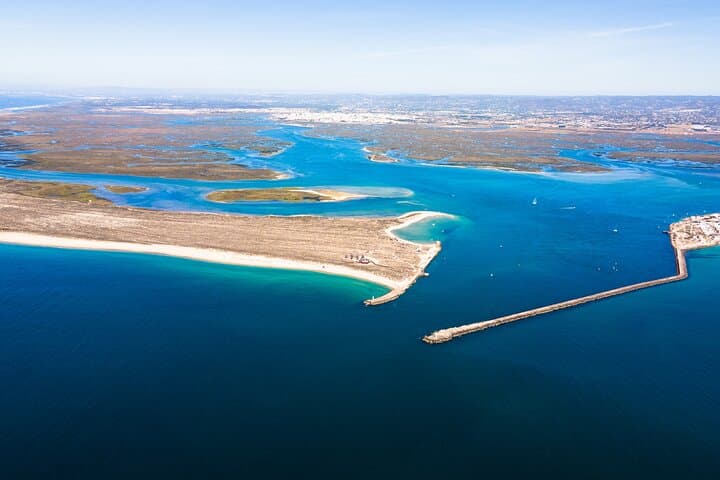
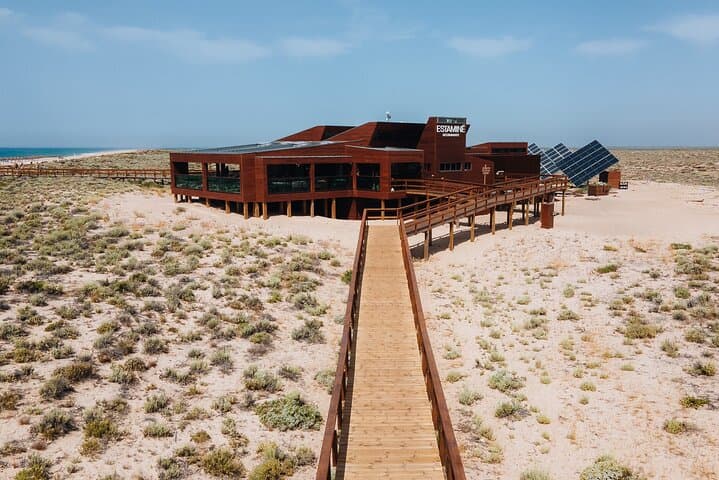
The island is part of the Ria Formosa Natural Park, a dynamic barrier-island system shaped by tidal flows and sediment from the Algarve coast. For centuries the lagoon supported salt pans and small fishing communities; today its shallow channels sustain seagrass beds and migratory birds. Estaminé, the island’s simple restaurant, serves local fish and algarvian flavors when open, giving a taste of regional culture before you wander the beach.
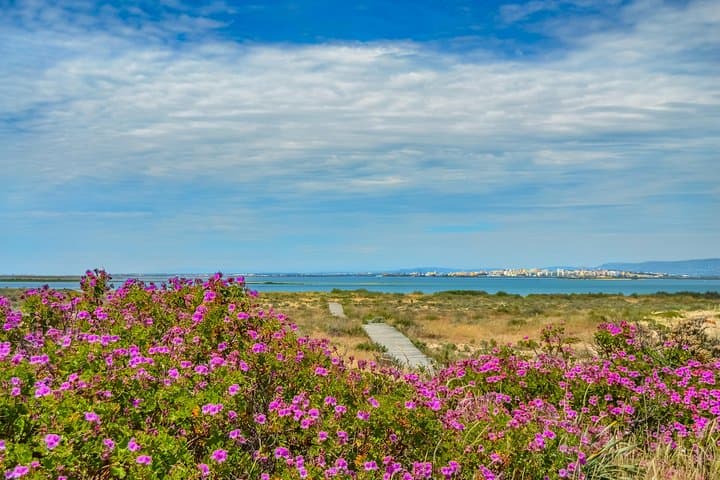
Expect broad, open sands, low dune scrub, and few built facilities beyond the pier and Estaminé. Wildlife is the quiet protagonist here — wading birds thread the flats at low tide and dolphins sometimes appear offshore. Geologically, Ilha Deserta is sedimentary: wind and sea continually reshape its profile, so paths shift and footprints are soon erased.
Practicalities: book tickets online to avoid queues and check return-ferry times; the operator can sometimes adjust your return subject to availability. The crossing is calm in settled weather but bring sun protection, a wind layer, and water; there’s limited shade. Accessibility is generally good for short transfers (staff wear yellow shirts at the pier), but mobile tickets and variable landing conditions mean wheelchair users should confirm ahead. Travellers should respect bird zones, carry out waste, and plan for a day-length visit or a shorter stop depending on tides and appetite for sand and sun.
easy.
1–8 hours.
Suitable for all fitness levels; expect easy walking on sand with occasional uneven dunes.
The crossing from Faro’s Cais da Porta Nova takes about 45 minutes each way under normal conditions.
Yes — most tickets allow flexible day use and the operator can sometimes adjust return times depending on availability.
Landing and pier areas are designed to be accessible, but visitors should confirm specific transfer assistance with the operator in advance due to variable beach conditions.
Estaminé restaurant operates seasonally and offers algarvian dishes; bring snacks and water in case the restaurant is closed.
Ilha Deserta is part of the Ria Formosa barrier system, long used for salt production and small-scale fishing; the lagoon’s shifting islands have shaped local livelihoods for centuries.
The island sits inside Ria Formosa Natural Park; visitors should avoid trampling dune vegetation, keep dogs leashed, and pack out all trash to protect nesting birds and seagrass beds.
Animaris Ilha Deserta operates guided outdoor trips and adventures with an emphasis on safety, stewardship, and memorable experiences.
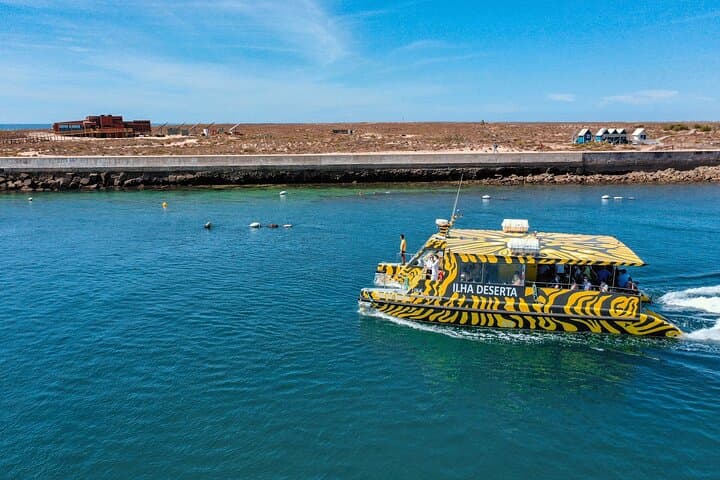
A low, salt-sweet wind meets the ferry as it slips out of Faro’s Cais da Porta Nova and cuts a steady line across the Ria Formosa. In 45 minutes the shoreline softens into a single ribbon of sand — Ilha Deserta (Barreta) — where dunes rise like slow-moving waves and the sea pulls sand from your shoes.
A low, salt-sweet wind meets the ferry as it slips out of Faro’s Cais da Porta Nova and cuts a steady line across the Ria Formosa. In 45 minutes the shoreline softens into a single ribbon of sand — Ilha Deserta (Barreta) — where dunes rise like slow-moving waves and the sea pulls sand from your shoes.
The island is part of the Ria Formosa Natural Park, a dynamic barrier-island system shaped by tidal flows and sediment from the Algarve coast. For centuries the lagoon supported salt pans and small fishing communities; today its shallow channels sustain seagrass beds and migratory birds. Estaminé, the island’s simple restaurant, serves local fish and algarvian flavors when open, giving a taste of regional culture before you wander the beach.
Expect broad, open sands, low dune scrub, and few built facilities beyond the pier and Estaminé. Wildlife is the quiet protagonist here — wading birds thread the flats at low tide and dolphins sometimes appear offshore. Geologically, Ilha Deserta is sedimentary: wind and sea continually reshape its profile, so paths shift and footprints are soon erased.
Practicalities: book tickets online to avoid queues and check return-ferry times; the operator can sometimes adjust your return subject to availability. The crossing is calm in settled weather but bring sun protection, a wind layer, and water; there’s limited shade. Accessibility is generally good for short transfers (staff wear yellow shirts at the pier), but mobile tickets and variable landing conditions mean wheelchair users should confirm ahead. Travellers should respect bird zones, carry out waste, and plan for a day-length visit or a shorter stop depending on tides and appetite for sand and sun.