THE ADVENTURE COLLECTIVE® · Independent discovery and booking for outdoor travel

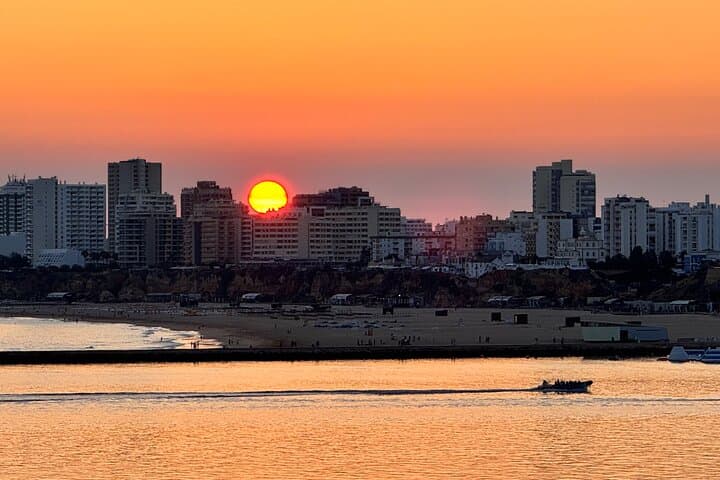
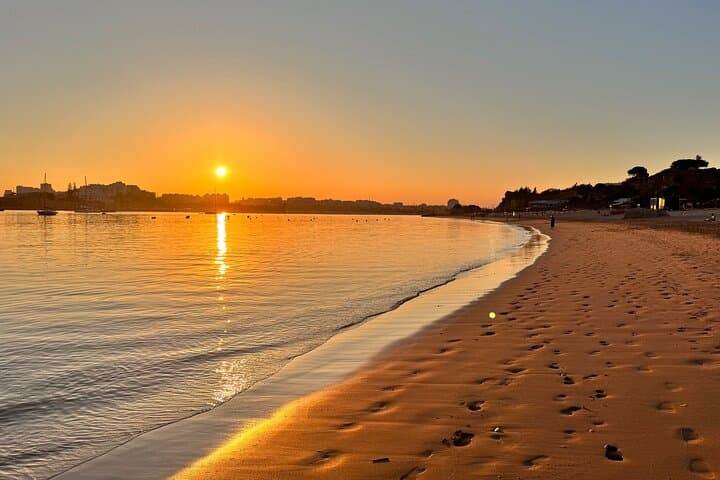
An intimate coastal walk from Ferragudo’s village streets to the Forte de São João do Arade and hidden beaches, ending at a cliff-top sunset with regional wine and tapas. Perfect for a relaxed, photo-friendly evening outing.
An intimate coastal walk from Ferragudo’s village streets to the Forte de São João do Arade and hidden beaches, ending at a cliff-top sunset with regional wine and tapas. Perfect for a relaxed, photo-friendly evening outing.
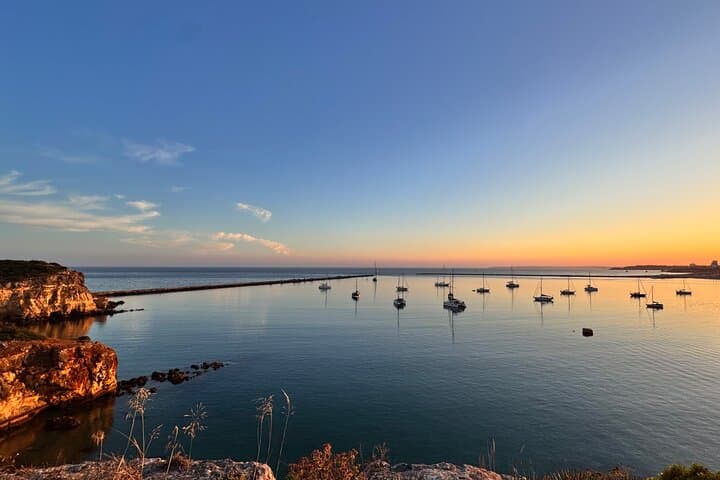
The walk begins where whitewashed houses meet the Atlantic breeze, and the narrow streets open onto a cliff-top view of the estuary. You move from cobbled alleys toward the Forte de São João do Arade, the castle-like fort that frames the mouth of the river, then follow secret tracks along arribas that drop to small, sheltered beaches. The sea keeps time here—waves urging you forward, wind sketching patterns on the cliffs.
Verified experiences and guided adventures in the surrounding area.
Operated by Ferragudo Guide · Ferragudo, Faro
The walk begins where whitewashed houses meet the Atlantic breeze, and the narrow streets open onto a cliff-top view of the estuary. You move from cobbled alleys toward the Forte de São João do Arade, the castle-like fort that frames the mouth of the river, then follow secret tracks along arribas that drop to small, sheltered beaches. The sea keeps time here—waves urging you forward, wind sketching patterns on the cliffs.
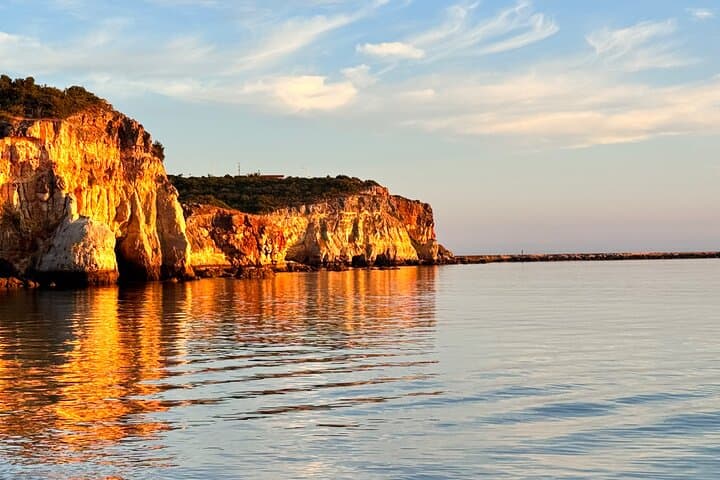
This stretch of the Algarve carries a layered history: fishermen’s quarters, an imperial-era fortification guarding the Arade estuary, and small beaches carved from soft sedimentary rock. Geology is obvious—banded cliffs, eroded arches and pebble shelves reveal the slow work of Atlantic surf. Local culture shows up in fishing boats hauled ashore, tile-decorated facades, and the ritual of catching sunset with a glass of vinho verde and regional tapas.
Expect a mostly easy, coastal route with short stair sections and uneven rock paths where care is needed. The guide pauses for context—pointing out the fort’s role in maritime defense and noting where seagrass beds support small fish and seabirds. Practicalities matter: wear grippy shoes for the arribas, bring a wind layer, and aim for the late-afternoon slot to time the golden light and the final surprise snack at the viewpoint.
Photography opportunities are constant—look for layered horizons, rock formations and the estuary’s changing colors. The walk is compact, culturally rich and ideal for travelers who want a short, scenic outing that ends with sunset and local flavors.
easy.
1.5–2 hours.
Suitable for most fitness levels; requires steady balance on short stair and uneven coastal paths
The meet-up is in central Ferragudo (near the main square); the route follows village streets to cliff viewpoints and the Forte de São João do Arade, finishing at a sunset overlook.
The route includes uneven stair sections and narrow paths—children can join but strollers are not recommended.
The tour includes a guided walk, bottled water, and a final surprise of wine and tapas at the sunset viewpoint.
The operator cancels in poor weather for safety; check the confirmation and local forecast and allow for possible rescheduling.
Forte de São João do Arade dates to post-medieval coastal defenses and marks the estuary entrance that shaped local fishing and trade.
Coastal erosion and visitor pressure are local concerns—stay on paths, avoid removing shells or rocks, and carry out any litter.
Ferragudo Guide operates guided outdoor trips and adventures with an emphasis on safety, stewardship, and memorable experiences.
The walk begins where whitewashed houses meet the Atlantic breeze, and the narrow streets open onto a cliff-top view of the estuary. You move from cobbled alleys toward the Forte de São João do Arade, the castle-like fort that frames the mouth of the river, then follow secret tracks along arribas that drop to small, sheltered beaches. The sea keeps time here—waves urging you forward, wind sketching patterns on the cliffs.
The walk begins where whitewashed houses meet the Atlantic breeze, and the narrow streets open onto a cliff-top view of the estuary. You move from cobbled alleys toward the Forte de São João do Arade, the castle-like fort that frames the mouth of the river, then follow secret tracks along arribas that drop to small, sheltered beaches. The sea keeps time here—waves urging you forward, wind sketching patterns on the cliffs.
This stretch of the Algarve carries a layered history: fishermen’s quarters, an imperial-era fortification guarding the Arade estuary, and small beaches carved from soft sedimentary rock. Geology is obvious—banded cliffs, eroded arches and pebble shelves reveal the slow work of Atlantic surf. Local culture shows up in fishing boats hauled ashore, tile-decorated facades, and the ritual of catching sunset with a glass of vinho verde and regional tapas.
Expect a mostly easy, coastal route with short stair sections and uneven rock paths where care is needed. The guide pauses for context—pointing out the fort’s role in maritime defense and noting where seagrass beds support small fish and seabirds. Practicalities matter: wear grippy shoes for the arribas, bring a wind layer, and aim for the late-afternoon slot to time the golden light and the final surprise snack at the viewpoint.
Photography opportunities are constant—look for layered horizons, rock formations and the estuary’s changing colors. The walk is compact, culturally rich and ideal for travelers who want a short, scenic outing that ends with sunset and local flavors.