THE ADVENTURE COLLECTIVE® · Independent discovery and booking for outdoor travel

Step into Delhi’s layered past with a private day excursion to Feroz Shah Kotla: see an Ashokan pillar, a living 14th-century mosque, and an underground Baoli while walking through history with a local guide.
Step into Delhi’s layered past with a private day excursion to Feroz Shah Kotla: see an Ashokan pillar, a living 14th-century mosque, and an underground Baoli while walking through history with a local guide.
Morning light slants through crumbling Tughlaq walls as your guide leads you across sandstone terraces where history still feels alive. The courtyard opens up to an Ashokan pillar—an iron-hard relic from 3rd century B.C.—standing amid 14th-century rubble, while the mosque’s quartzite facades hum with the murmur of daily prayers.
Verified experiences and guided adventures in the surrounding area.
Operated by SITA World Tours · New Delhi, Delhi
Morning light slants through crumbling Tughlaq walls as your guide leads you across sandstone terraces where history still feels alive. The courtyard opens up to an Ashokan pillar—an iron-hard relic from 3rd century B.C.—standing amid 14th-century rubble, while the mosque’s quartzite facades hum with the murmur of daily prayers.
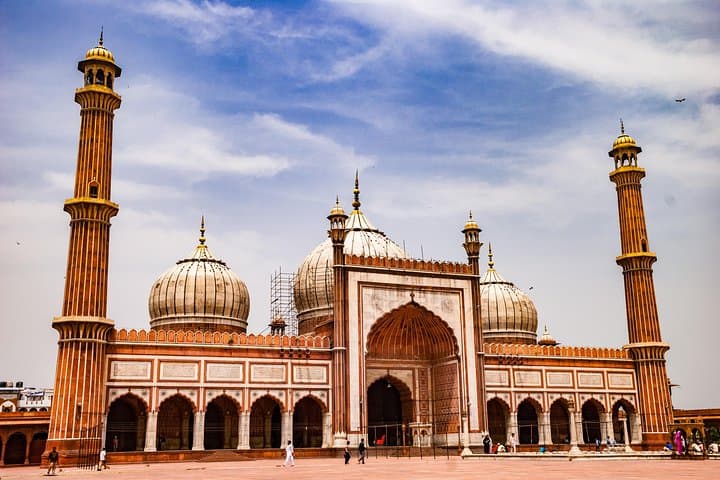
Feroz Shah Kotla was established by Sultan Feroz Shah Tughlaq in the 1350s on the banks of a once-wilder Yamuna. The site layers history: Mauryan stonework repurposed into a medieval citadel, Tughlaq architecture’s blunt geometry, and a Baoli stepwell that reveals pre-modern water engineering. The Jama Masjid inside the complex remains an active place of worship, offering a living cultural thread through the ruins.
Geologically the area is alluvial plain—soft soils that preserved carved stone but encouraged the fort’s eventual decay as river channels shifted. Culturally, the fort sits in a dense urban patchwork; vendors, students and cricket grounds nearby give the ruins a practical, everyday energy rather than museum silence.
Practical guidance: expect 3–4 hours of mostly level walking on uneven, dusty stone and steps; modest climbs into chambers and around parapets. Wear sturdy closed-toe shoes, bring sun protection and a refillable water bottle (the tour provides two bottles). Photography is allowed in most areas, but mosque interiors require respectful dress—no sleeveless tops or shorts. The tour is private, accessible by car, but not wheelchair friendly. Aim for morning hours to avoid heat and to catch softer light on the stone.
easy.
3–4 hours.
Suitable for travelers with basic walking fitness; able to manage stairs and uneven ground for several hours.
Yes — the polished sandstone pillar on the grounds is an original Ashokan pillar dating to around 273 B.C. and can be viewed from the public areas of the fort.
The mosque is active and visitors may enter during non-prayer times if dressed respectfully; follow your guide’s instructions and remain quiet during services.
No — the fort has uneven surfaces, steps and confined chambers that make it unsuitable for wheelchairs or limited mobility without significant assistance.
Yes, but children must be accompanied by an adult; the tour involves stairs and some narrow spaces that require supervision.
Feroz Shah Tughlaq founded the fort in the 1350s and famously relocated Ashokan pillars to Delhi; later rulers and the shifting Yamuna altered the site’s fortunes.
The site sits inside a dense urban area; visitors are asked to avoid climbing fragile masonry, carry out waste, and respect ongoing conservation efforts to limit erosion and vandalism.
SITA World Tours operates guided outdoor trips and adventures with an emphasis on safety, stewardship, and memorable experiences.
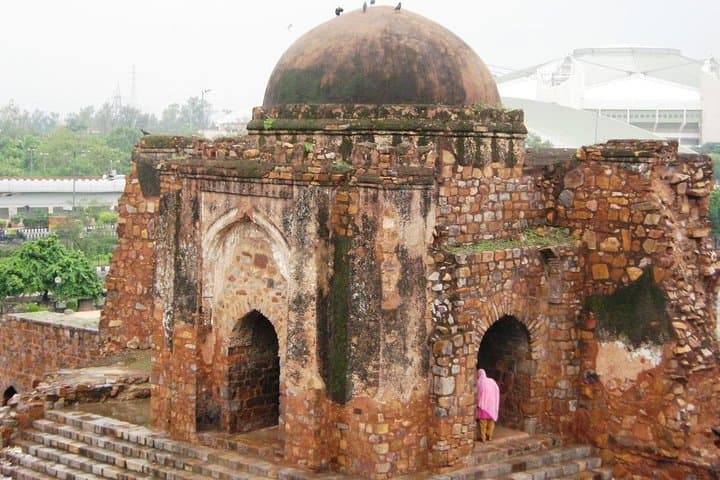
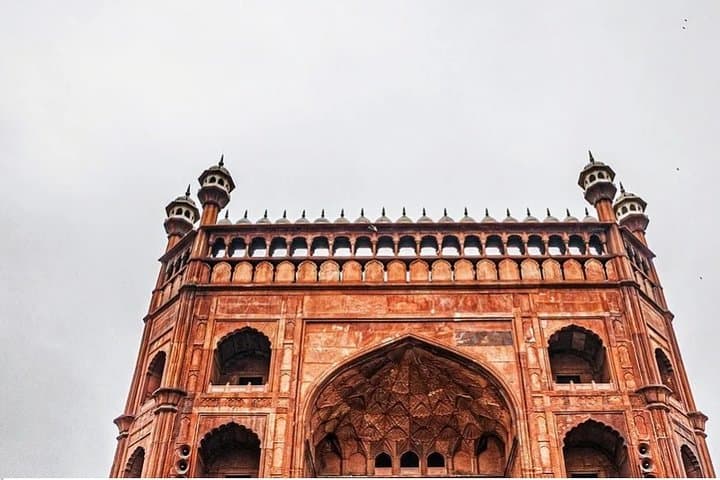
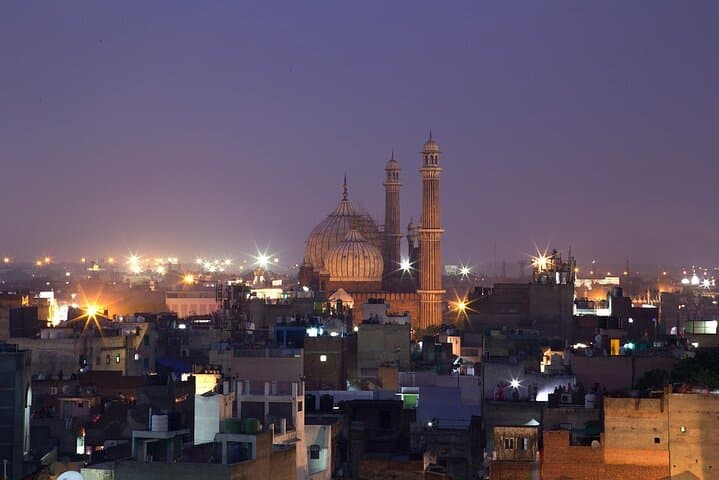
Morning light slants through crumbling Tughlaq walls as your guide leads you across sandstone terraces where history still feels alive. The courtyard opens up to an Ashokan pillar—an iron-hard relic from 3rd century B.C.—standing amid 14th-century rubble, while the mosque’s quartzite facades hum with the murmur of daily prayers.
Morning light slants through crumbling Tughlaq walls as your guide leads you across sandstone terraces where history still feels alive. The courtyard opens up to an Ashokan pillar—an iron-hard relic from 3rd century B.C.—standing amid 14th-century rubble, while the mosque’s quartzite facades hum with the murmur of daily prayers.
Feroz Shah Kotla was established by Sultan Feroz Shah Tughlaq in the 1350s on the banks of a once-wilder Yamuna. The site layers history: Mauryan stonework repurposed into a medieval citadel, Tughlaq architecture’s blunt geometry, and a Baoli stepwell that reveals pre-modern water engineering. The Jama Masjid inside the complex remains an active place of worship, offering a living cultural thread through the ruins.
Geologically the area is alluvial plain—soft soils that preserved carved stone but encouraged the fort’s eventual decay as river channels shifted. Culturally, the fort sits in a dense urban patchwork; vendors, students and cricket grounds nearby give the ruins a practical, everyday energy rather than museum silence.
Practical guidance: expect 3–4 hours of mostly level walking on uneven, dusty stone and steps; modest climbs into chambers and around parapets. Wear sturdy closed-toe shoes, bring sun protection and a refillable water bottle (the tour provides two bottles). Photography is allowed in most areas, but mosque interiors require respectful dress—no sleeveless tops or shorts. The tour is private, accessible by car, but not wheelchair friendly. Aim for morning hours to avoid heat and to catch softer light on the stone.