THE ADVENTURE COLLECTIVE® · Independent discovery and booking for outdoor travel

Go beyond Bucharest’s landmarks on a private 3.5-hour tour into Ferentari, Rahova, and a nearby village to learn about the city’s social shifts, resilience, and unexpected architecture. Expect direct stories, urban texture, and practical guidance for respectful engagement.
Go beyond Bucharest’s landmarks on a private 3.5-hour tour into Ferentari, Rahova, and a nearby village to learn about the city’s social shifts, resilience, and unexpected architecture. Expect direct stories, urban texture, and practical guidance for respectful engagement.
You step out of an air-conditioned van into a block where curbs crack and laundry lines cut across late-afternoon light. Concrete facades bear Soviet-era scars, graffiti lines alleys, and voices from corner stores punctuate the air—this is the edge of central Bucharest where everyday life is blunt and immediate.
Verified experiences and guided adventures in the surrounding area.
Operated by Supplier · Bucharest, Bucharest
You step out of an air-conditioned van into a block where curbs crack and laundry lines cut across late-afternoon light. Concrete facades bear Soviet-era scars, graffiti lines alleys, and voices from corner stores punctuate the air—this is the edge of central Bucharest where everyday life is blunt and immediate.
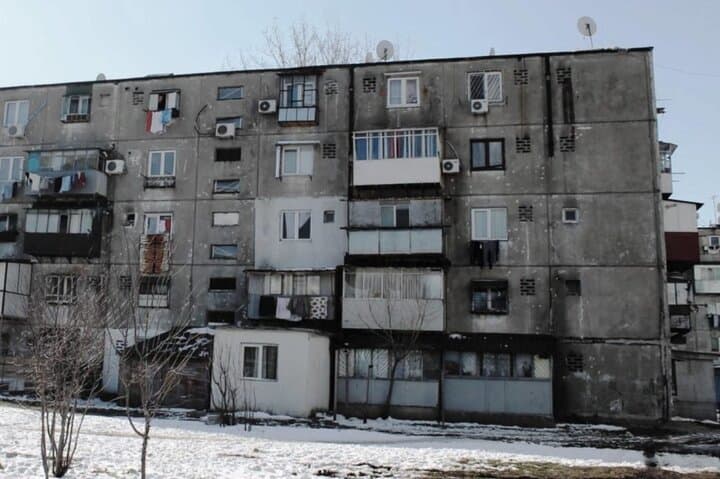
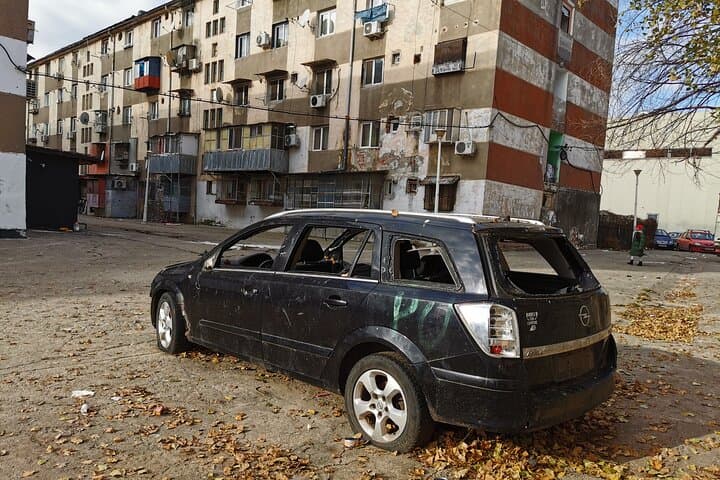
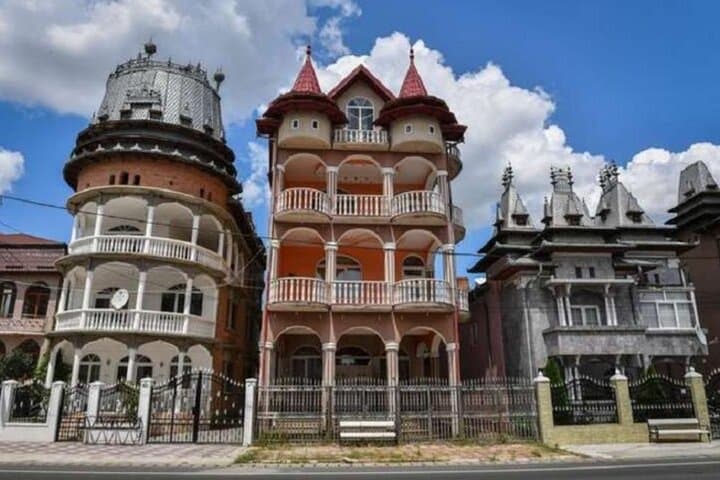
The neighborhoods of Ferentari and Rahova carry layers of history: 20th-century industrial growth, mass housing projects from the communist period, and the sharp socio-economic shifts after 1989 that created visible inequalities. The nearby penitentiary at Rahova and informal settlements have shaped local perceptions, while the recent, ostentatious houses in villages like Sintești reflect a different post-communist story—wealth built quickly and plainly visible.
Geology plays little part here; the terrain is flat asphalt and worn sidewalks. Culture shows up in street markets, neighborhood shrines, and the resilience of residents who run small businesses, barter networks, and community rituals. Expect direct conversations, local color, and opportunities to hear first-hand accounts—respectful listening is essential.
Practically, the tour is a private, 3.5-hour experience with hotel pickup and an English-speaking guide; physical demands are low but anticipate short walks on uneven pavement. Dress simply and avoid displaying valuables; ask permission before photographing people or private homes. Bring water, comfortable shoes, and an openness to nuanced, sometimes uncomfortable stories—the guide frames context and history so you can understand the social fabric rather than voyeuristically view it. This is a learning-focused urban exploration that rewards curiosity and cultural sensitivity.
easy.
3–4 hours.
Suitable for most fitness levels; requires short walks on uneven urban pavement.
Tours use private transportation and a local guide; follow the guide’s instructions and avoid displaying valuables to reduce risk.
Yes, but always ask people first—some residents decline and the guide will advise where photography is appropriate.
Yes—hotel pick-up and drop-off within the Bucharest area are included in the tour price.
Yes, families are welcome, but prepare children for direct conversations about difficult social topics and uneven walking surfaces.
Ferentari and Rahova grew during 20th-century industrialization and underwent rapid socio-economic change after Romania’s 1989 transition, shaping today’s visible inequalities and community adaptations.
Respectful, low-impact visits matter—avoid handing out money directly to individuals, support local businesses, and follow guides’ recommendations to minimize disruption.
Supplier operates guided outdoor trips and adventures with an emphasis on safety, stewardship, and memorable experiences.
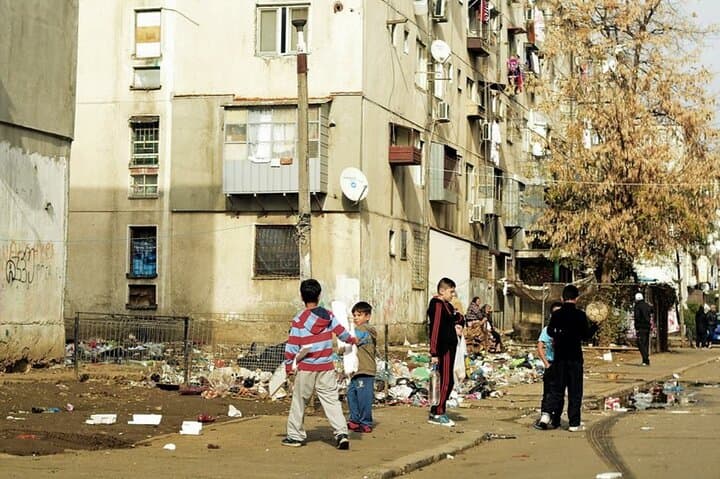
You step out of an air-conditioned van into a block where curbs crack and laundry lines cut across late-afternoon light. Concrete facades bear Soviet-era scars, graffiti lines alleys, and voices from corner stores punctuate the air—this is the edge of central Bucharest where everyday life is blunt and immediate.
You step out of an air-conditioned van into a block where curbs crack and laundry lines cut across late-afternoon light. Concrete facades bear Soviet-era scars, graffiti lines alleys, and voices from corner stores punctuate the air—this is the edge of central Bucharest where everyday life is blunt and immediate.
The neighborhoods of Ferentari and Rahova carry layers of history: 20th-century industrial growth, mass housing projects from the communist period, and the sharp socio-economic shifts after 1989 that created visible inequalities. The nearby penitentiary at Rahova and informal settlements have shaped local perceptions, while the recent, ostentatious houses in villages like Sintești reflect a different post-communist story—wealth built quickly and plainly visible.
Geology plays little part here; the terrain is flat asphalt and worn sidewalks. Culture shows up in street markets, neighborhood shrines, and the resilience of residents who run small businesses, barter networks, and community rituals. Expect direct conversations, local color, and opportunities to hear first-hand accounts—respectful listening is essential.
Practically, the tour is a private, 3.5-hour experience with hotel pickup and an English-speaking guide; physical demands are low but anticipate short walks on uneven pavement. Dress simply and avoid displaying valuables; ask permission before photographing people or private homes. Bring water, comfortable shoes, and an openness to nuanced, sometimes uncomfortable stories—the guide frames context and history so you can understand the social fabric rather than voyeuristically view it. This is a learning-focused urban exploration that rewards curiosity and cultural sensitivity.