THE ADVENTURE COLLECTIVE® · Independent discovery and booking for outdoor travel

Fenway Park is a compact, century-old stage for some of baseball’s most electric moments. This guide explains what to expect—history, arrival logistics, and practical tips to make the most of a Red Sox game.
Fenway Park is a compact, century-old stage for some of baseball’s most electric moments. This guide explains what to expect—history, arrival logistics, and practical tips to make the most of a Red Sox game.
Standing in Kenmore Square as the floodlights fire, Fenway Park compresses a century of play into a single inhale: the crowd, the smell of hot dogs and beer, the familiar sight of the Green Monster looming left. Seats slope close to the field; the game feels immediate and tactile.
Verified experiences and guided adventures in the surrounding area.
Operated by Sports Where I Am · Boston, Massachusetts
Standing in Kenmore Square as the floodlights fire, Fenway Park compresses a century of play into a single inhale: the crowd, the smell of hot dogs and beer, the familiar sight of the Green Monster looming left. Seats slope close to the field; the game feels immediate and tactile.
Opened in 1912, Fenway is Major League Baseball’s oldest ballpark. Its irregular dimensions — a 37-foot left-field wall and a short right-field porch — reflect early urban lot lines and decades of incremental change rather than modern stadium geometry. The park’s culture is built on ritual: organ music, seventh-inning stretches, and generations of fans whose chants and late-inning rallies have helped define Boston’s identity.
Expect a roughly three-hour event that can extend with extra innings. The stadium sits steps from Kenmore Square and the MBTA Green Line; parking is limited and expensive. Security screenings and mobile-ticket entry via the MLB Ballpark app are standard, so travel light and have your phone charged. Evening games can cool quickly — layers and a light jacket are practical.
Practical guidance sharpens the visit: arrive early to catch batting practice and explore nearby Back Bay Fens or the Fenway Victory Gardens, use public transit to avoid parking hassles, budget for concession lines and limited Wi‑Fi, and bring ear protection if you’re noise-sensitive. A Fenway game mixes living history with immediate, unpredictable sport — visceral, loud and unmistakably Boston. Plan ahead and soak every moment in.
easy.
3 hours.
Suitable for most fitness levels; requires standing or walking to and from transit and stairs to seats.
Tickets are delivered digitally; download the MLB Ballpark app and follow the email instructions to access your mobile ticket.
Fenway has a clear-bag policy and standard security checks; outside food is generally restricted, and policies can vary by event.
Plan to arrive 45–60 minutes before first pitch to clear security, find your seat, and enjoy pregame activity.
Concession stands are available and accept cards; expect lines during breaks and limited stadium Wi‑Fi at peak times.
Fenway Park opened in 1912 and retains many original features, including the iconic Green Monster that defines left field play.
Use public transit and stadium recycling bins to reduce footprint; follow venue rules to protect shared urban parkland and reduce waste.
Sports Where I Am operates guided outdoor trips and adventures with an emphasis on safety, stewardship, and memorable experiences.
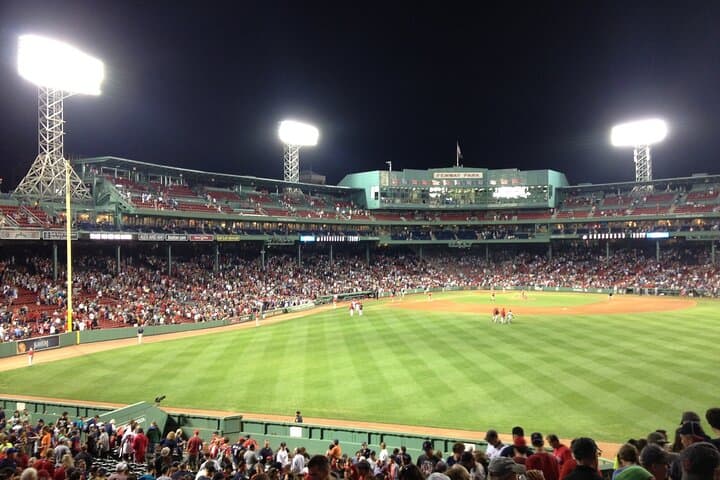
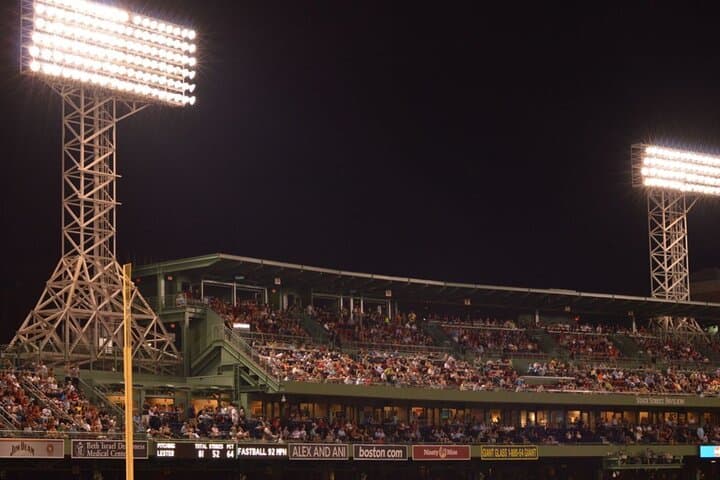
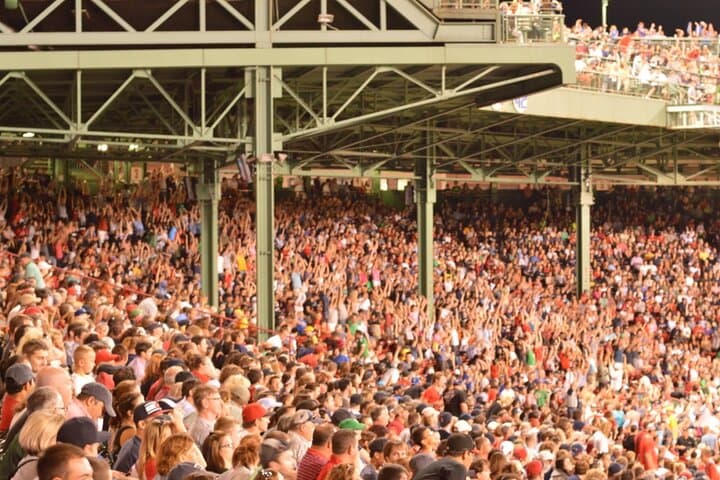
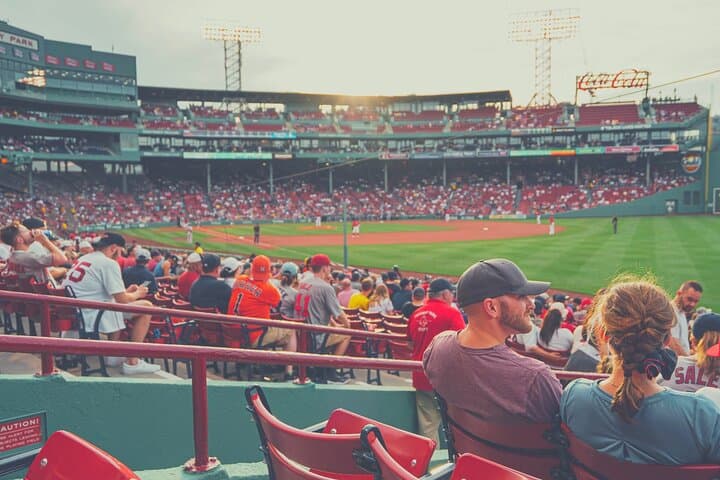
Standing in Kenmore Square as the floodlights fire, Fenway Park compresses a century of play into a single inhale: the crowd, the smell of hot dogs and beer, the familiar sight of the Green Monster looming left. Seats slope close to the field; the game feels immediate and tactile.
Standing in Kenmore Square as the floodlights fire, Fenway Park compresses a century of play into a single inhale: the crowd, the smell of hot dogs and beer, the familiar sight of the Green Monster looming left. Seats slope close to the field; the game feels immediate and tactile.
Opened in 1912, Fenway is Major League Baseball’s oldest ballpark. Its irregular dimensions — a 37-foot left-field wall and a short right-field porch — reflect early urban lot lines and decades of incremental change rather than modern stadium geometry. The park’s culture is built on ritual: organ music, seventh-inning stretches, and generations of fans whose chants and late-inning rallies have helped define Boston’s identity.
Expect a roughly three-hour event that can extend with extra innings. The stadium sits steps from Kenmore Square and the MBTA Green Line; parking is limited and expensive. Security screenings and mobile-ticket entry via the MLB Ballpark app are standard, so travel light and have your phone charged. Evening games can cool quickly — layers and a light jacket are practical.
Practical guidance sharpens the visit: arrive early to catch batting practice and explore nearby Back Bay Fens or the Fenway Victory Gardens, use public transit to avoid parking hassles, budget for concession lines and limited Wi‑Fi, and bring ear protection if you’re noise-sensitive. A Fenway game mixes living history with immediate, unpredictable sport — visceral, loud and unmistakably Boston. Plan ahead and soak every moment in.