THE ADVENTURE COLLECTIVE® · Independent discovery and booking for outdoor travel

Sail a traditional felucca across the Nile to Kitchener Island and explore Aswan’s Botanic Gardens with an Egyptologist. Short, shaded walks and a small museum combine history, horticulture, and classic Nile scenery in a two-hour private tour.
Sail a traditional felucca across the Nile to Kitchener Island and explore Aswan’s Botanic Gardens with an Egyptologist. Short, shaded walks and a small museum combine history, horticulture, and classic Nile scenery in a two-hour private tour.
The felucca heels gently under the wind and the Nile carries you past low granite bluffs; the Agha Khan Mausoleum perches on a distant rise while the West Bank’s Tombs of the Nobles squat like time-weathered watching posts. The small sailboat feels intimate—canvas snapping, guide steadying the rudder—as the current pushes you toward a green isle that seems to belong to another climate.
Verified experiences and guided adventures in the surrounding area.
Operated by Show You Egypt · Aswan, Aswan Governorate
The felucca heels gently under the wind and the Nile carries you past low granite bluffs; the Agha Khan Mausoleum perches on a distant rise while the West Bank’s Tombs of the Nobles squat like time-weathered watching posts. The small sailboat feels intimate—canvas snapping, guide steadying the rudder—as the current pushes you toward a green isle that seems to belong to another climate.
Kitchener Island, developed in the late 19th and early 20th centuries under British influence, became Aswan’s botanical refuge when Lord Kitchener and later botanists introduced palms, acacias, sandalwood and other exotic specimens. Geologically the island sits in the Nile’s braided channel, where seasonal flows and silt deposits created a pocket hospitable to cultivated plantings amid Aswan’s granite and desert ridgelines. Local culture treats the island as a shaded retreat from city heat; a small museum on-site outlines the garden’s plant introductions and colonial-era history.
Practicalities: the felucca leg is typically about 15–25 minutes each way depending on wind and current; the full private tour runs around two hours with hotel pickup and an Egyptologist guide. Paths through the 6–7 hectare garden are compacted soil with some roots—sturdy, closed shoes are best—and benches provide shade for breaks. Expect sun, possible wind, and the occasional nilotic breeze that cools as the river pushes the boat along. Bring water, sun protection and a light scarf for dust. The experience is low-impact but richly sensory: green against ochre, dates and birdsong punctuating the slow rhythm of the Nile.
easy.
2 hours.
Suitable for all fitness levels; requires short, easy walking on compacted garden paths and a brief boat transfer.
The crossing is typically 15–25 minutes each way depending on wind and Nile currents; guides schedule the tour to allow comfortable time ashore.
Paths are mostly compacted soil with occasional roots and narrow stretches; access may be limited for full wheelchair use—check with the operator for assistance options.
Yes, the tour includes a qualified Egyptologist who provides historical context for the island, the Agha Khan Mausoleum, and nearby tombs you’ll pass.
Operators may cancel for strong winds or unsafe river conditions; the booking policy usually allows refund if canceled at least 24 hours in advance.
Kitchener Island was landscaped in the late 19th century under British influence, with later botanical additions that turned it into Aswan’s planted oasis.
The gardens conserve introduced and native species while balancing visitor impact; visitors should avoid picking plants and follow marked paths to protect fragile plantings.
Show You Egypt operates guided outdoor trips and adventures with an emphasis on safety, stewardship, and memorable experiences.
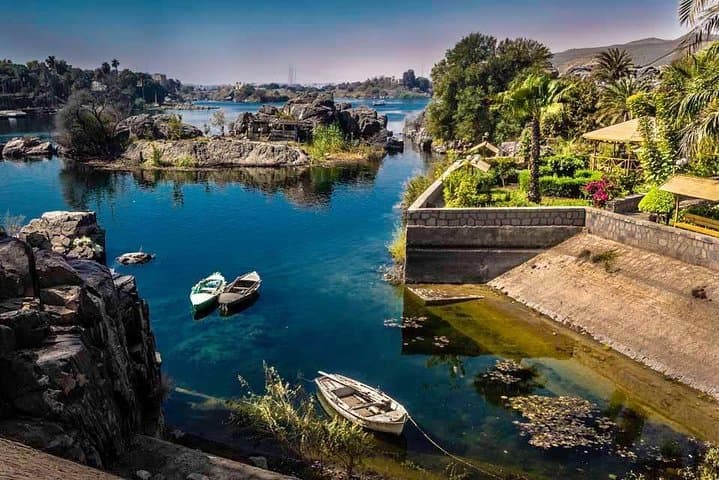
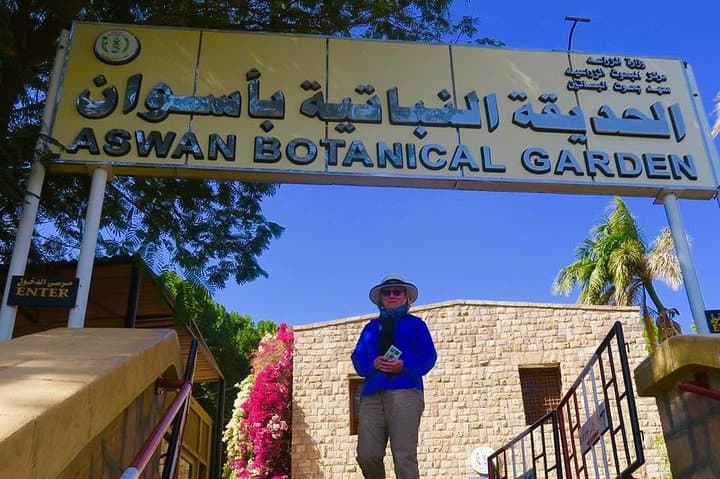
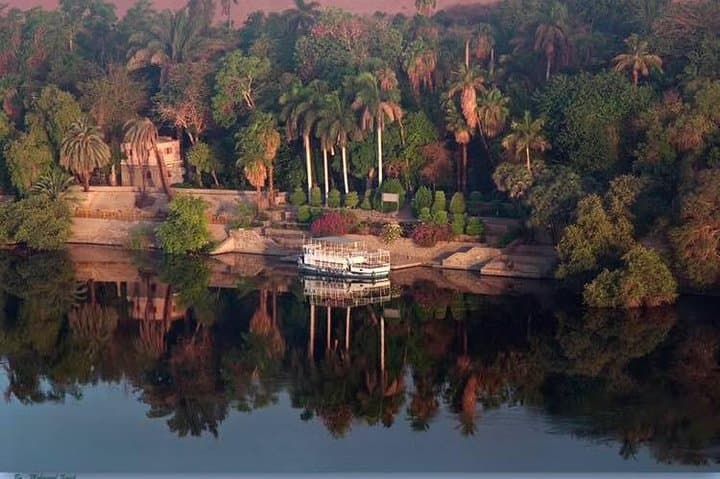
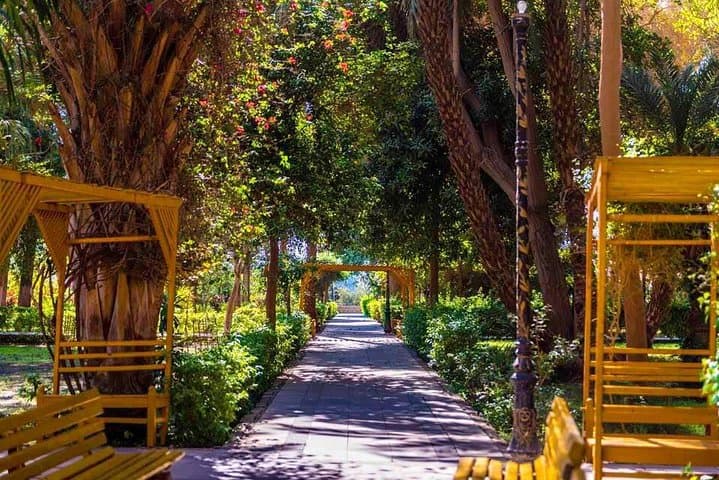
The felucca heels gently under the wind and the Nile carries you past low granite bluffs; the Agha Khan Mausoleum perches on a distant rise while the West Bank’s Tombs of the Nobles squat like time-weathered watching posts. The small sailboat feels intimate—canvas snapping, guide steadying the rudder—as the current pushes you toward a green isle that seems to belong to another climate.
The felucca heels gently under the wind and the Nile carries you past low granite bluffs; the Agha Khan Mausoleum perches on a distant rise while the West Bank’s Tombs of the Nobles squat like time-weathered watching posts. The small sailboat feels intimate—canvas snapping, guide steadying the rudder—as the current pushes you toward a green isle that seems to belong to another climate.
Kitchener Island, developed in the late 19th and early 20th centuries under British influence, became Aswan’s botanical refuge when Lord Kitchener and later botanists introduced palms, acacias, sandalwood and other exotic specimens. Geologically the island sits in the Nile’s braided channel, where seasonal flows and silt deposits created a pocket hospitable to cultivated plantings amid Aswan’s granite and desert ridgelines. Local culture treats the island as a shaded retreat from city heat; a small museum on-site outlines the garden’s plant introductions and colonial-era history.
Practicalities: the felucca leg is typically about 15–25 minutes each way depending on wind and current; the full private tour runs around two hours with hotel pickup and an Egyptologist guide. Paths through the 6–7 hectare garden are compacted soil with some roots—sturdy, closed shoes are best—and benches provide shade for breaks. Expect sun, possible wind, and the occasional nilotic breeze that cools as the river pushes the boat along. Bring water, sun protection and a light scarf for dust. The experience is low-impact but richly sensory: green against ochre, dates and birdsong punctuating the slow rhythm of the Nile.