THE ADVENTURE COLLECTIVE® · Independent discovery and booking for outdoor travel

Combine a private Egyptologist-led walk through Karnak and Luxor Temples with a two-hour felucca sail at sunset. Expect temple stairs, close-up reliefs, and a breezy Nile stretch to close the day.
Combine a private Egyptologist-led walk through Karnak and Luxor Temples with a two-hour felucca sail at sunset. Expect temple stairs, close-up reliefs, and a breezy Nile stretch to close the day.
The Nile leans close as your minivan eases into Luxor’s east bank — warm stone and dust scent the air while the first colossi throw long shadows. You step into a world where columns still converse with the wind and the river dares you to slow down; later, a felucca waits with a late-afternoon breeze to push you along the water.
Verified experiences and guided adventures in the surrounding area.
Operated by Al Sahel Travel · Luxor, Luxor Governorate
The Nile leans close as your minivan eases into Luxor’s east bank — warm stone and dust scent the air while the first colossi throw long shadows. You step into a world where columns still converse with the wind and the river dares you to slow down; later, a felucca waits with a late-afternoon breeze to push you along the water.
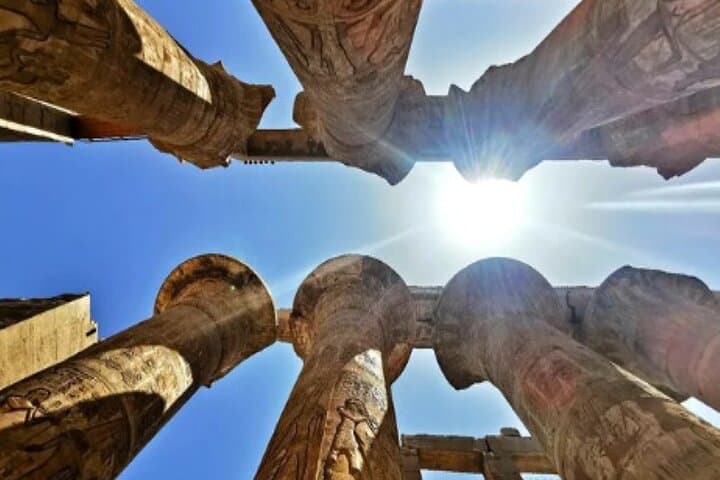
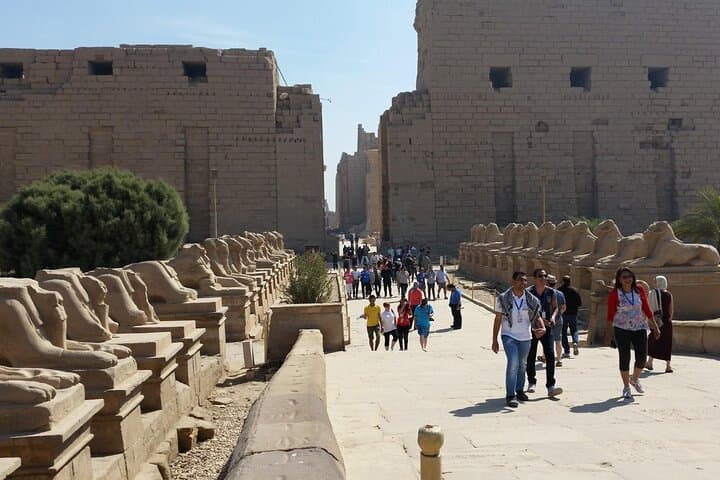
This combined private tour threads history and place: Karnak’s vast precinct grew over millennia under more than 30 pharaohs, an accretion of pylons, obelisks and hypostyle halls carved from local sandstone and limestone. Luxor Temple sits closer to the river, built in the New Kingdom and reworked by Tutankhamun and Ramses II, its avenue once aligning ritual processions. The Nile itself shaped life here, depositing silt that fed crops and drew settlements between the desert and the water.
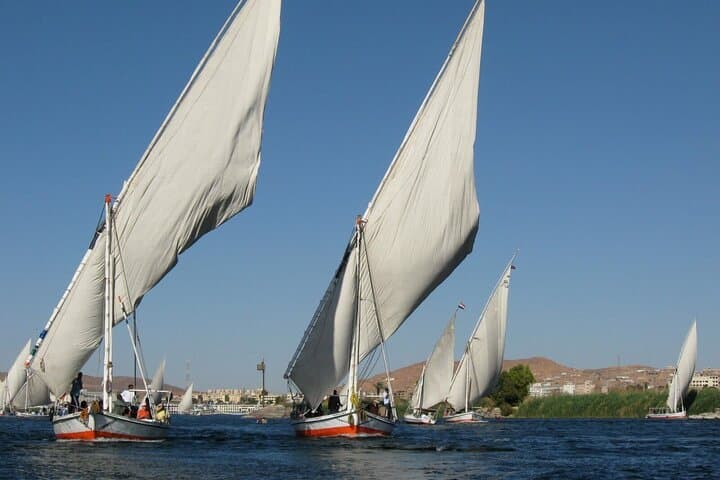
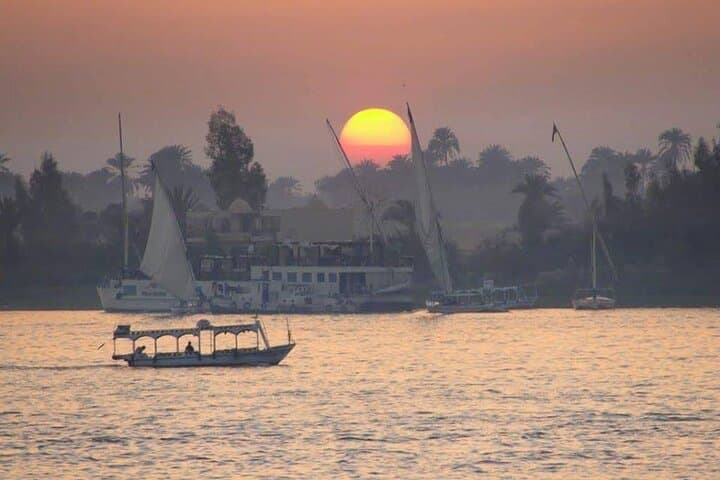
Culture is immediate — licensed Egyptologists narrate pharaonic politics and temple rites while vendors and modern Luxor life pulse nearby. After the sites, the felucca ride reroutes the day: sail over glassy river, watch small islands and fishermen’s nets, and aim for sunset when the light softens carved reliefs into warmer tones.
Practical guidance: wear sturdy, closed shoes for uneven temple floors and sand, bring sun protection and a refillable bottle, and plan for stairs and shaded rests. Book the felucca at sunset for the best light, confirm entrance fees and pickup details in advance, and allow time between the temple visits and the sail for traffic or museum stops.
easy.
5–6 hours.
Suitable for most people able to walk short distances and climb stairs; minimal endurance required.
Some tour options include entrance fees — confirm when booking, as the provider lists entry as an optional inclusion depending on your selected package.
The sail portion is approximately two hours and can be scheduled to coincide with sunset if requested.
Yes; the tour is rated easy physically, but expect stairs, uneven ground and warm conditions — adjust pace and bring water.
Visitors to Egypt require a valid passport and, depending on nationality, a visa; carry passport details as requested at booking and for museum entry.
Luxor sits on the site of ancient Thebes, and Karnak evolved over centuries as pharaohs added pylons and halls to demonstrate power and devotion.
Stay on marked paths, avoid touching wall reliefs, and use local guides and services to support community-based preservation efforts.
Al Sahel Travel operates guided outdoor trips and adventures with an emphasis on safety, stewardship, and memorable experiences.
The Nile leans close as your minivan eases into Luxor’s east bank — warm stone and dust scent the air while the first colossi throw long shadows. You step into a world where columns still converse with the wind and the river dares you to slow down; later, a felucca waits with a late-afternoon breeze to push you along the water.
The Nile leans close as your minivan eases into Luxor’s east bank — warm stone and dust scent the air while the first colossi throw long shadows. You step into a world where columns still converse with the wind and the river dares you to slow down; later, a felucca waits with a late-afternoon breeze to push you along the water.
This combined private tour threads history and place: Karnak’s vast precinct grew over millennia under more than 30 pharaohs, an accretion of pylons, obelisks and hypostyle halls carved from local sandstone and limestone. Luxor Temple sits closer to the river, built in the New Kingdom and reworked by Tutankhamun and Ramses II, its avenue once aligning ritual processions. The Nile itself shaped life here, depositing silt that fed crops and drew settlements between the desert and the water.
Culture is immediate — licensed Egyptologists narrate pharaonic politics and temple rites while vendors and modern Luxor life pulse nearby. After the sites, the felucca ride reroutes the day: sail over glassy river, watch small islands and fishermen’s nets, and aim for sunset when the light softens carved reliefs into warmer tones.
Practical guidance: wear sturdy, closed shoes for uneven temple floors and sand, bring sun protection and a refillable bottle, and plan for stairs and shaded rests. Book the felucca at sunset for the best light, confirm entrance fees and pickup details in advance, and allow time between the temple visits and the sail for traffic or museum stops.