THE ADVENTURE COLLECTIVE® · Independent discovery and booking for outdoor travel

Sail a traditional felucca from Luxor to Aswan, weaving between monumental temples and Nile-side villages. This guide outlines what to expect on the water, the must-see ancient sites, and how to plan for heat, walking terrain, and local customs.
Sail a traditional felucca from Luxor to Aswan, weaving between monumental temples and Nile-side villages. This guide outlines what to expect on the water, the must-see ancient sites, and how to plan for heat, walking terrain, and local customs.
Morning light slips across the Nile and the felucca's lateen sail fills, carrying you between sandstone cliffs and cultivated riverbanks. The boat rocks with the river’s steady insistence; locals tend date palms while minarets and temple pylons punctuate the horizon.
Verified experiences and guided adventures in the surrounding area.
Operated by Gabriel · Luxor, Luxor Governorate
Morning light slips across the Nile and the felucca's lateen sail fills, carrying you between sandstone cliffs and cultivated riverbanks. The boat rocks with the river’s steady insistence; locals tend date palms while minarets and temple pylons punctuate the horizon.
This route threads key chapters of pharaonic history — the New Kingdom tombs of the Valley of the Kings, the colossal façades of Abu Simbel relocated above the rising waters, and the dual sanctuaries of Kom Ombo that speak to local beliefs about crocodiles and falcons. Geology here is raw: the Nile has cut a corridor through Nubian sandstone and limestone, exposing quarry faces where ancient builders harvested stone.
Culture along the banks remains vivid. Nubian villages on Aswan’s islands maintain distinct crafts and color palettes, while Luxor hums with markets that have supplied pilgrims and travelers for millennia. Expect a mix of guided temple walks, short village visits, and long, slow sails where the river becomes your highway and occasionally an opponent, pushing the felucca against a headwind.
Practical guidance: this is a multi-day experience—pack sun protection, comfortable walking shoes for uneven temple steps, and a refillable water bottle. Plan early starts to avoid midday heat, bring modest clothing for temple entrances, and carry small Egyptian pounds for tips and local purchases. Entrance fees are commonly paid on-site; confirm which admissions are included with your provider. Move deliberately between awe and logistics: the Nile will carry you, but good planning keeps the journey smooth.
moderate.
4 days (approx. 96 hours).
Moderate fitness: able to walk several hours across uneven temple terrain and manage short climbs or steps.
It varies by operator; classic felucca itineraries range from single-day sails to multi-night crossings—confirm whether cabins or day-sailing seats are provided.
Many packages require guests to pay standard Egyptian entrance fees on-site; check your booking to see which admissions are covered.
Feluccas have basic seating and require boarding from riverbanks; travelers with mobility limits should request accessible transport options or a motorboat alternative.
Carry Egyptian pounds for small purchases and tips; tipping guides, drivers, and local helpers is customary—small bills simplify transactions.
The Nile corridor between Luxor and Aswan contains New Kingdom necropolises and temples; several major monuments, including Abu Simbel and Philae, were relocated in the 20th century to protect them from the Aswan High Dam.
High visitor numbers and environmental pressures require respectful behavior at sites—avoid touching reliefs, limit waste, and use local guides to support conservation-minded practices.
Gabriel operates guided outdoor trips and adventures with an emphasis on safety, stewardship, and memorable experiences.
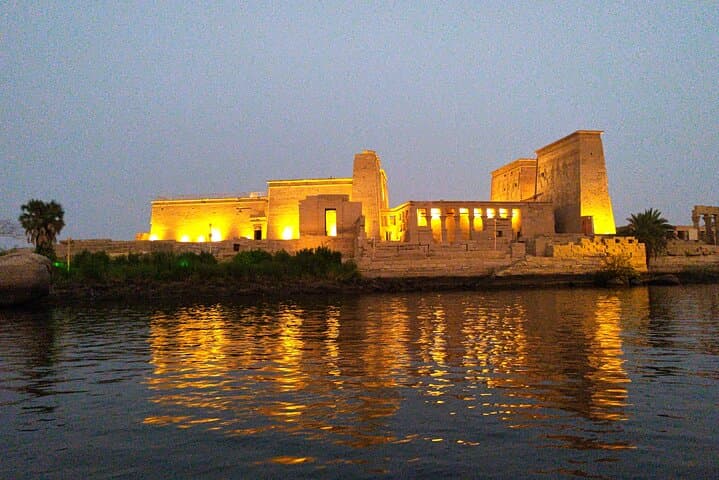
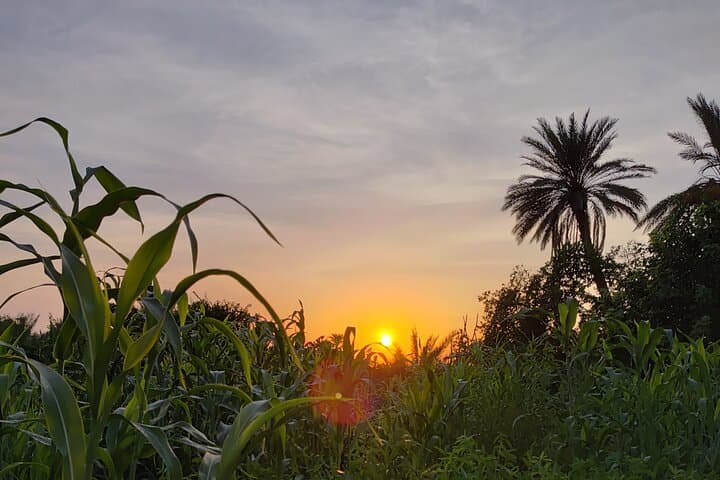
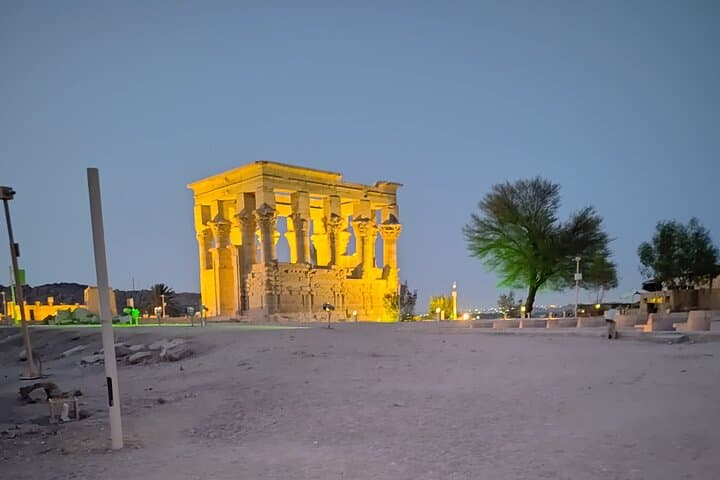
Morning light slips across the Nile and the felucca's lateen sail fills, carrying you between sandstone cliffs and cultivated riverbanks. The boat rocks with the river’s steady insistence; locals tend date palms while minarets and temple pylons punctuate the horizon.
Morning light slips across the Nile and the felucca's lateen sail fills, carrying you between sandstone cliffs and cultivated riverbanks. The boat rocks with the river’s steady insistence; locals tend date palms while minarets and temple pylons punctuate the horizon.
This route threads key chapters of pharaonic history — the New Kingdom tombs of the Valley of the Kings, the colossal façades of Abu Simbel relocated above the rising waters, and the dual sanctuaries of Kom Ombo that speak to local beliefs about crocodiles and falcons. Geology here is raw: the Nile has cut a corridor through Nubian sandstone and limestone, exposing quarry faces where ancient builders harvested stone.
Culture along the banks remains vivid. Nubian villages on Aswan’s islands maintain distinct crafts and color palettes, while Luxor hums with markets that have supplied pilgrims and travelers for millennia. Expect a mix of guided temple walks, short village visits, and long, slow sails where the river becomes your highway and occasionally an opponent, pushing the felucca against a headwind.
Practical guidance: this is a multi-day experience—pack sun protection, comfortable walking shoes for uneven temple steps, and a refillable water bottle. Plan early starts to avoid midday heat, bring modest clothing for temple entrances, and carry small Egyptian pounds for tips and local purchases. Entrance fees are commonly paid on-site; confirm which admissions are included with your provider. Move deliberately between awe and logistics: the Nile will carry you, but good planning keeps the journey smooth.